How Much Does Food Cost in Xinjiang? A Realistic 2026 Budget & Price Guide
Before my first trip I budgeted 200 RMB a day for food and came home with money left. Eating in Xinjiang is cheap and generous — a full lamb-skewer dinner can run under 40 RMB, and even a proper restaurant meal rarely breaks 100. This is a realistic 2026 price map so you can plan without guesswork. The city food guides add the where; this is the what-it-costs.
Street Food Prices
The backbone of cheap eating:
Lamb Skewers
3–5 RMB each at a stall, 6–8 RMB at tourist spots. A filling meal is 6–10 skewers (20–50 RMB). See the lamb skewer guide for what you’re buying.
Noodles (Laghman, La Mian, Chaomianpian)
A full bowl is 18–30 RMB; half-portions 12–18 RMB. The laghman guide and la mian guide explain the differences.
Breads and Sweets
Naan 2–5 RMB; baklava-style sweets 10–20 RMB/box; muzigao 5–10 RMB.
Restaurant Meals
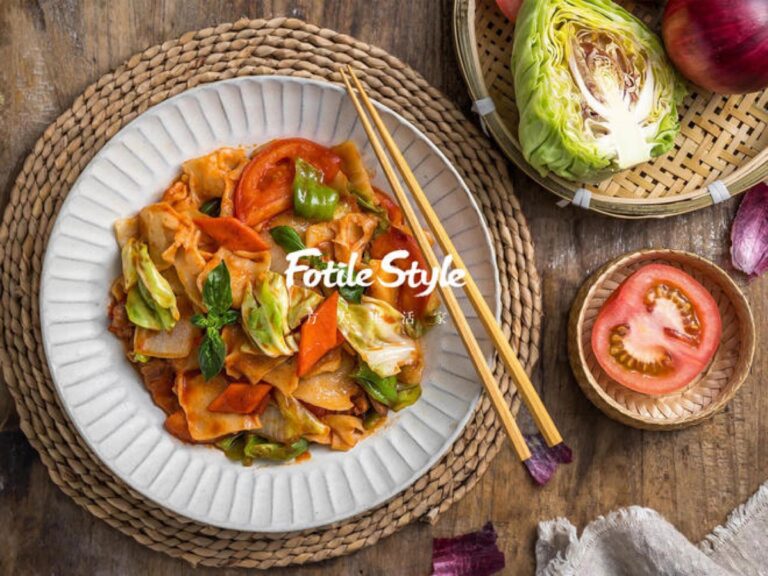
A sit-down Uyghur restaurant: polo 25–40 RMB, dapanji (big-plate chicken, serves 2) 60–90 RMB, whole lamb by the kilo 120–160 RMB. Vegetarian dishes 18–30 RMB.
| Item | Budget (RMB) | Comfort (RMB) | Notes |
|---|---|---|---|
| Street skewer dinner | 20–35 | 40–60 | 6–10 skewers + tea |
| Noodle bowl | 18–25 | 25–35 | Add a side |
| Restaurant main | 25–45 | 45–90 | Polo to dapanji |
| Bazaar dried fruit (per kg) | 30–50 | 50–100 | Figs cost more |
| Daily total (light) | 60–90 | 120–200 | Per person |
Daily Budgets
Backpacker (60–100 RMB/day)
Street skewers + noodles + naan + bazaar fruit. You eat like a king on pocket change. Pair with the street-food guide.
Comfort Traveler (150–250 RMB/day)
One restaurant meal, one street crawl, market snacks, and a chaykhana tea habit. The Urumqi and Kashgar guides fit this well.
Splurge (Feast) Days
A whole-lamb or yurt beshbarmak feast runs 100–160 RMB per person but is a one-off event, not daily.
The stall, the teahouse and the restaurant
The restaurant is where you take someone you want to impress. I eat at the first two most days and take people to the third when they ask for somewhere proper. The food is the same and the price gap is not small. Everything else is right there.
What you lose at the stall is a seat and some shade. Three kinds of place sell the same dish in Xinjiang Food Costs Budget, and they are not competing so much as serving different occasions. The street stall is fastest, cheapest and eaten standing up. The teahouse is where you sit an hour and get refilled.
Where most people get the logistics wrong is covered in our [[2026-xinjiang-food-guide|2026 Xinjiang Food Guide:A Silk Road…]].
The one thing I order every time
The sweet version is the one for the market, not for a morning. In Xinjiang Food Costs Budget that is the tea, and the reason is not the flavour. It is the rhythm of it: someone puts a glass in your hand, another arrives, you sit for ten minutes, and suddenly the rest of the day is sorted. Ask for it plain the first time.
Three words that change the order
What you need is the phrase for not spicy, the hand signal for a smaller portion, and the knowledge that one word covers what locals drink in winter, which is salt and butter, and what visitors get, which is sweet. Point at what the next table has. In Xinjiang Food Costs Budget that single gesture has never once got me the wrong dish, and it saves you ordering a second plate you did not want. You do not need Uyghur. Where most people get the logistics wrong is covered in our [[2026-xinjiang-food-guide|2026 Xinjiang Food Guide:A Silk Road…]].
How to order, and what a portion really costs
The number on the board is for one, and one here is enough for a European adult if you share two. Order one less than you think, because the rice arrives in a bowl the size of a small basin and the second helping does not need ordering. Card and phone payment both work everywhere in Xinjiang Food Costs Budget. Tips are not expected in the small places and are quietly welcome where there is table service, but do not build the visit around it.
Money-Saving Realities
Prices barely move between cities; southern Xinjiang is if anything cheaper. Bazaars beat supermarkets on dried fruit. Milk tea and naan are nearly free hospitality at homes and yurts. The bazaar guide has haggling tips.
The money side of it
| Item | What it costs | Note |
|---|---|---|
| needing cash | 200 RMB | Most city stalls take Alipay/WeChat, but small bazaar vendors and old-town grills often want cash. Carry 100–200 RMB. The halal guide mentions this too. |
| food so cheap | varies | Local ingredients, low labor costs, and a culture of large, shared, affordable plates. Tourism hasn’t inflated everyday prices much outside the Grand Bazaar core. |
| tourist-area prices a rip-off | varies | Slightly higher (skewers 6–8 vs 3–5) but still cheap. Walk two blocks off the Grand Bazaar and prices drop. The Urumqi map shows the cheaper side streets. |
The numbers above are what I paid on my own trips; add roughly a fifth for a private car and driver if you are travelling with someone else. Anything marked roughly is a bazaar price in high season, and it moves with demand.