Chao Mian Pian (Stir-Fried Noodle Slices): The Street Food You Need to Try
In the busy streets of Urumqi, Kashgar, and virtually every town across Xinjiang, there is a dish that dominates the lunch hour with a sizzling, savory aroma that pulls you toward the nearest noodle shop: Xinjiang Chao Mian Pian (炒面片) — stir-fried noodle slices. It is the working person’s lunch, the student’s go-to meal, the comfort food that Xinjiang locals crave when they have been away from home too long.
Last updated: July 15, 2026 · Written by Karl Huang, a Xinjiang travel specialist who has spent time across the region. Practical details are cross-checked against official tourism, transport, and border-regulation sources.
Unlike the long, slurpable noodles of Lanzhou lamian or the belt-wide strands of Da Pan Ji, Chao Mian Pian is built from irregular, hand-torn pieces of wheat dough — each one slightly different in size and shape, each one carrying its own little pockets of sauce. The dish is pan-fried at high heat with lamb, tomatoes, onions, and green peppers, creating a one-plate meal that is smoky, tangy, savory, and deeply satisfying.
This guide covers everything about Chao Mian Pian: its Central Asian roots, the traditional hand-torn noodle technique, how the dish is made, what it tastes like, regional variations, and where to find the best bowls across Xinjiang.
What Is Chao Mian Pian?
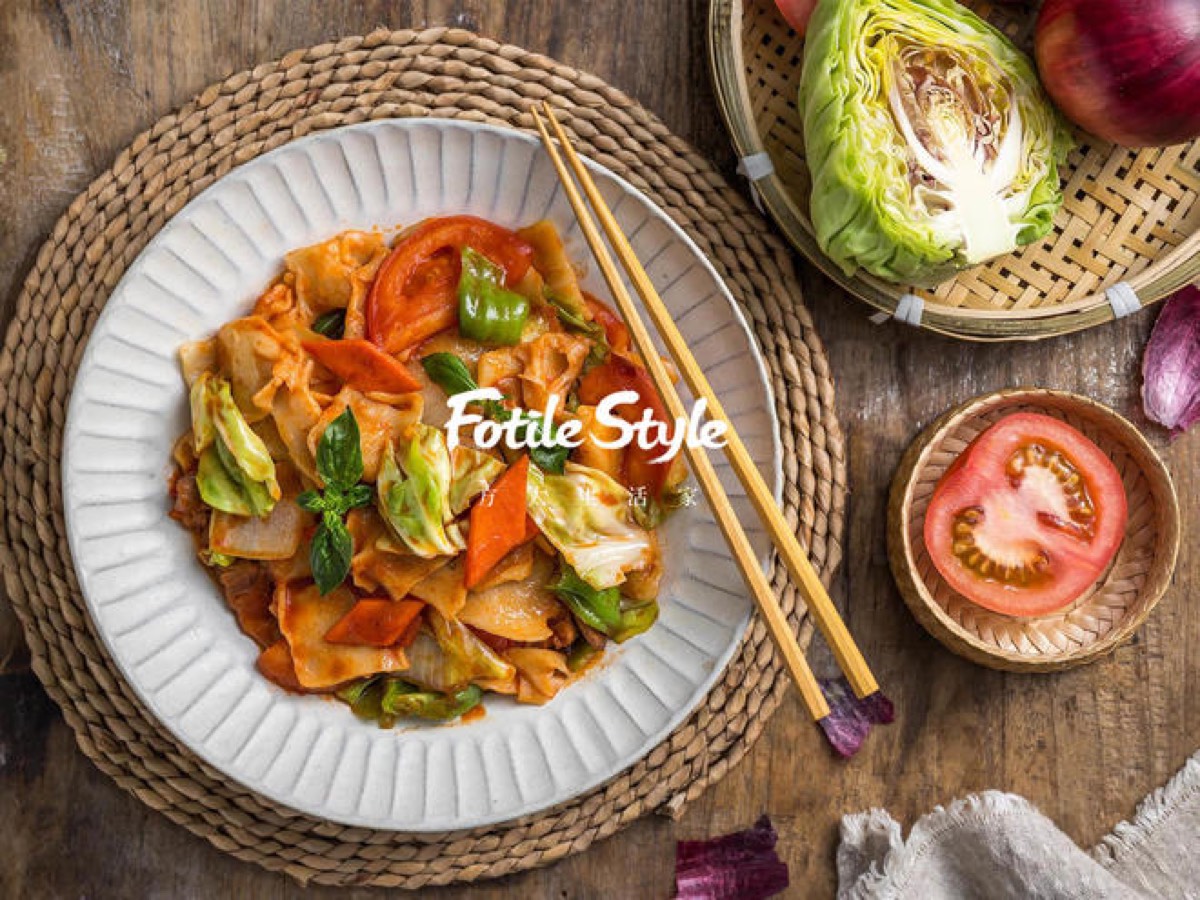
Chao Mian Pian (炒面片) translates literally to “stir-fried noodle slices.” The name says exactly what it is: irregular pieces of hand-torn wheat dough that are boiled briefly, then tossed into a smoking hot wok with lamb, vegetables, and a tomato-based sauce until each noodle slice is coated and slightly charred.
The defining characteristic of Chao Mian Pian is the texture of the noodle slices themselves. Each piece is roughly 2 to 5 centimeters wide — irregular, uneven, and distinctly handmade. The unevenness is not a flaw; it is the point. Thicker pieces stay chewy, thinner edges develop a slight crisp. When you pick up a piece with chopsticks, you never quite know what texture you will get, and that variety — bite after bite — is what makes the dish so addictive.
Chao Mian Pian belongs to the Xinjiang noodle family alongside Ding Ding Chao Mian (丁丁炒面, diced fried noodles) and Er Jie Zi Chao Mian (二节子炒面, two-section fried noodles). All three share the same essential flavor profile — lamb, tomato, onion, green pepper — but differ in noodle shape. Chao Mian Pian’s irregular slices give it the most rustic, hands-on character of the three.
The Cultural Roots: A Dish Born on the Silk Road
To understand Chao Mian Pian, you have to understand the place it comes from. Xinjiang sits at the crossroads of Central Asia and China proper — a land where the wheat-based food cultures of the steppe meet the wok-hei stir-fry traditions of the East. Chao Mian Pian embodies this fusion perfectly.
The use of hand-torn wheat noodles traces back to the nomadic and semi-nomadic food traditions of Central Asia, where wheat flour, water, and salt were the portable, durable foundation of daily meals. Tearing dough by hand — rather than rolling and cutting — requires no special tools, just practiced fingers. This technique likely spread along the Silk Road, evolving into regional variations from Gansu’s noodle sheets to Xinjiang’s Chao Mian Pian.
The stir-frying technique, on the other hand, arrived from Han Chinese culinary traditions — the high-heat wok cooking that produces the smoky “wok hei” (锅气) flavor. Combined with Central Asian ingredients like lamb and cumin, and the Uyghur love of tomatoes (introduced to the region via the Silk Road centuries ago), Chao Mian Pian became a dish that could not exist anywhere else.
Today, it is a quintessential everyday food in Xinjiang — not a festival dish, not a banquet centerpiece, but the meal that real people eat on real workdays. It is fast to make (once the dough is prepared), cheap, filling, and available on virtually every street with a noodle shop. For many Xinjiang locals, it is the taste of home.
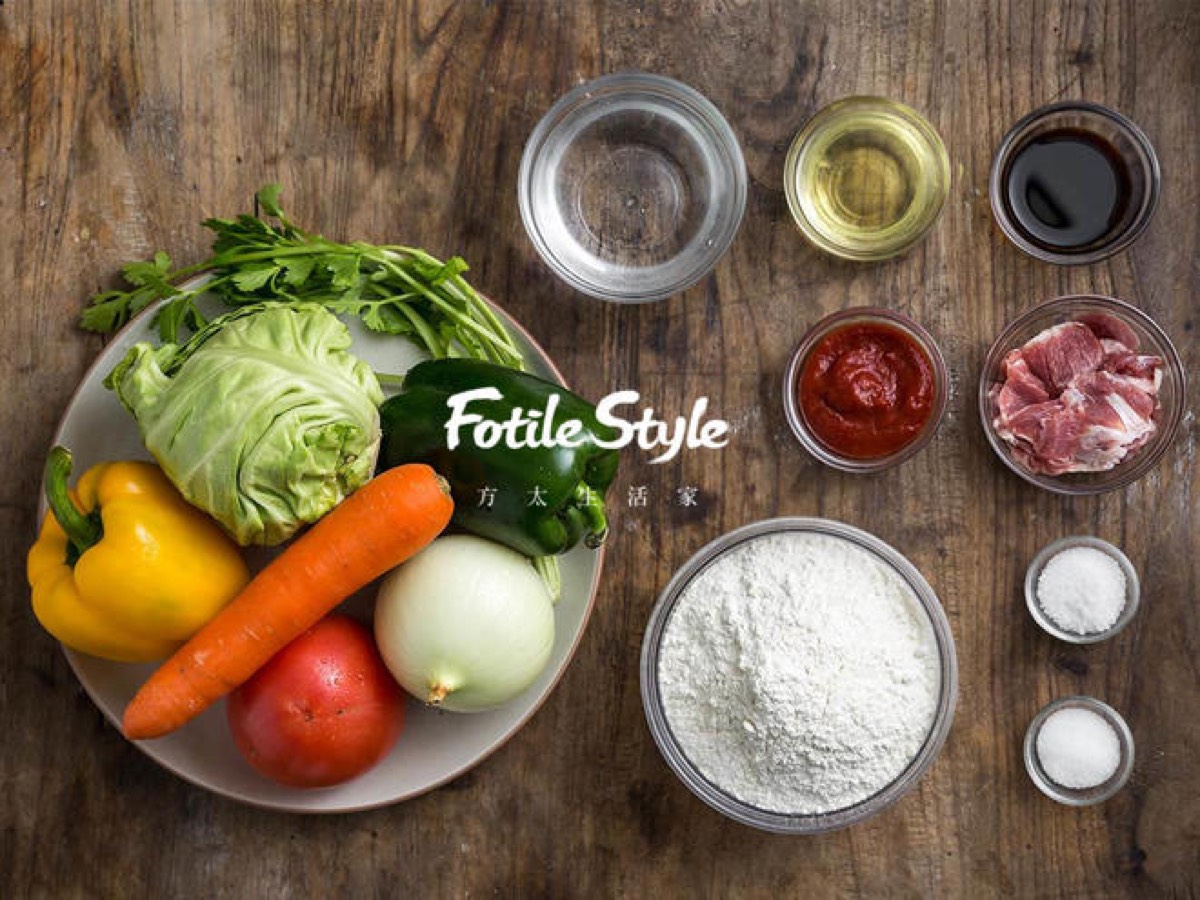
The Essential Ingredients
The Noodles: Hand-Torn, Never Cut
The noodles in Chao Mian Pian are made from just three ingredients: wheat flour, water, and salt. The dough is kneaded until smooth and elastic, rested for at least 30 minutes to develop the gluten, then rolled into a thick oval sheet. From there, the cook tears the dough by hand into irregular pieces — some broad, some narrow, some thick, some thin.
This hand-tearing step is critical. Machine-cut noodles would be too uniform, too predictable. The charm of Chao Mian Pian lies in the textural variety that only hand-torn pieces can deliver. The dough is briefly boiled until it floats to the surface, then shocked in cold water to stop the cooking and rinsed to remove excess starch. A light coating of oil prevents the pieces from sticking together before they hit the wok.
The Lamb: The Heart of the Dish
Lamb is the traditional protein for Chao Mian Pian, and with good reason. Xinjiang lamb — raised on the region’s vast grasslands — has a clean, sweet flavor with much less of the gaminess that puts some people off lamb from other regions. The lamb is sliced thin and marinated briefly with salt, white pepper, and a touch of soy sauce.
In some shops, particularly in Uyghur-majority areas, a small amount of sheep tail fat is rendered at the start of cooking to enrich the entire dish. This is a classic Central Asian technique that adds a luxurious mouthfeel and depth of flavor that vegetable oil alone cannot replicate.
Tomato and Onion: The Soul of Xinjiang Cooking
If you spend any time eating in Xinjiang, you will notice a pattern: tomatoes and onions appear in almost everything. Chao Mian Pian is no exception. Fresh tomatoes — ideally the sweet, ripe variety grown in Xinjiang’s long summer days — are diced and cooked down until they break apart, forming the base of the sauce. A spoonful of tomato paste intensifies the color and depth.
Onions — the large, sweet yellow onions common in Xinjiang — are sliced and fried until translucent and fragrant. Together with the tomatoes, they create a sauce that is tangy, savory, and slightly sweet — the flavor backbone of the dish.
Green Peppers and Potato: Crunch and Substance
Fresh green peppers (often the mildly spicy long green peppers favored in Xinjiang, or sweet bell peppers) are added near the end of cooking for a fresh, vegetal crunch. Some versions also include thinly sliced potato, which absorbs the sauce and adds a starchy heartiness that bulks up the already substantial noodle dish.
The Seasonings: Simple and Direct
The seasoning palette is restrained: salt, white pepper, garlic, and sometimes a pinch of cumin. A splash of black vinegar at the end of cooking adds brightness and a subtle tang that cuts through the richness of the lamb. Chili flakes or chili oil can be added for heat, but the standard version is mildly spiced rather than aggressively hot. The philosophy is clear: let the lamb, tomato, and wheat do the talking.
How Chao Mian Pian Is Made: The Traditional Process
Step 1: Making and Resting the Dough
Wheat flour is mixed with salt and lukewarm water, then kneaded vigorously for 10 to 15 minutes until the dough is smooth, firm, and elastic. The dough is brushed with a thin layer of oil, covered, and rested for at least 30 minutes. This resting period is non-negotiable — it relaxes the gluten, making the dough stretchy enough to be torn into thin sheets without springing back.
Step 2: Tearing the Noodles
The rested dough is flattened into an oval sheet about 1 centimeter thick. Using both hands, the cook tears off irregular pieces — a practiced motion that becomes almost meditative with repetition. The pieces are dusted with flour to prevent sticking and set aside. A skilled cook can tear an entire batch in under two minutes.
Step 3: Parboiling the Noodles
The torn noodle pieces are dropped into a large pot of boiling water. They cook quickly — usually 2 to 3 minutes — and are done as soon as they float to the surface. The key is to cook them to about 80% doneness. They will finish cooking in the wok, and overcooking at this stage would make them mushy later. The parboiled noodles are immediately transferred to a bowl of cold water, then drained and tossed with a little oil.
Step 4: The Stir-Fry
A wok is heated until smoking. Oil goes in, followed by sliced onion, which is fried until translucent and aromatic. Sliced lamb is added next, seared quickly on all sides. If potatoes are used, they go in now and are fried briefly before the tomatoes are added.
The diced fresh tomatoes and tomato paste are stirred in and cooked down into a thick, fragrant sauce — about 3 to 4 minutes of active cooking. Green peppers are added for the final minute of vegetable cooking. Then comes the crucial moment: the parboiled noodle slices are tossed into the wok.
The heat stays high. The noodles are stirred and tossed continuously for 2 to 3 minutes — this is where the magic happens. Each piece of noodle picks up the tomato-lamb sauce, develops a slight char from the hot wok, and absorbs the flavors of everything it touches. Salt, pepper, and minced garlic are added at the very end. The dish is plated immediately and served steaming hot.
What Does Chao Mian Pian Taste Like?
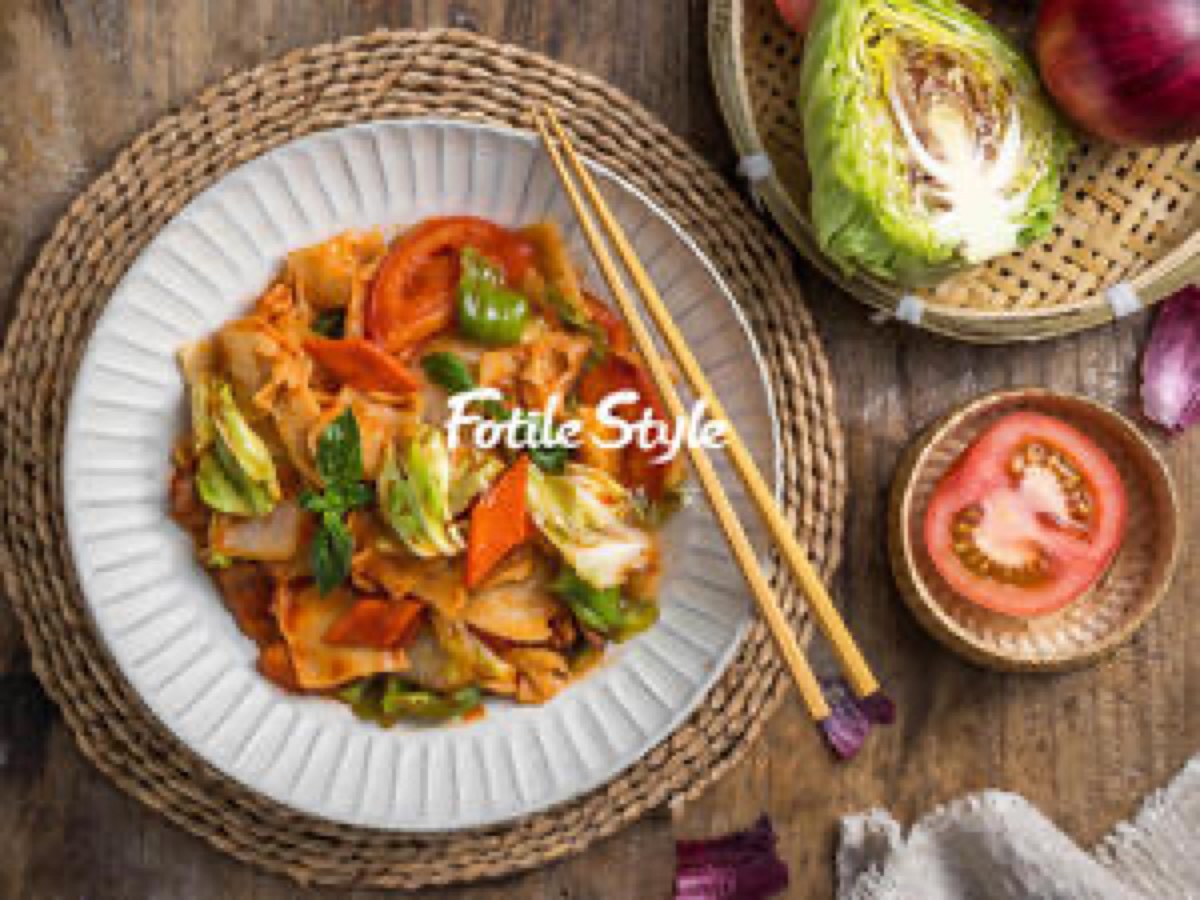
The first thing you notice when a plate of Chao Mian Pian arrives is the aroma — smoky from the wok, savory from the lamb, sweet from the tomatoes and onions. The visual is rustic and appetizing: irregular golden-brown noodle pieces scattered with chunks of lamb, bright red tomato sauce, and flecks of green pepper.
The first bite tells you everything. The noodle slices have a satisfying chewiness — a firm bite, a springy resistance — that is entirely different from the softness of boiled noodles. Some pieces have crisp, slightly charred edges. The sauce coats every surface: tangy from the tomatoes, rich from the lamb fat, faintly spicy from the pepper, rounded out by the sweetness of the onions.
It is a dish that hits all the right notes — savory, tangy, smoky, and just slightly sweet — in a way that feels both hearty and bright. Unlike heavy, cream-based pasta dishes, Chao Mian Pian leaves you satisfied but not weighed down, which is precisely why it works so well as a lunch food.
Regional Variations Across Xinjiang
While the core recipe is consistent, Chao Mian Pian varies subtly from city to city and cook to cook:
- Urumqi style — In the capital, the dish tends toward a richer, darker sauce with more tomato paste and sometimes a splash of soy sauce for color. Potatoes are standard in Urumqi versions.
- Kashgar style — In southern Xinjiang, you will often find a more generous use of cumin and sometimes a sprinkle of chili flakes, reflecting the stronger Central Asian spice influence. The lamb is typically more prominent.
- Yining (Ghulja) style — Near the Kazakh border, the dish may include bell peppers rather than green chilies, and the tomato flavor is brighter and fresher, relying more on fresh tomatoes than paste.
- Vegetarian version — Many restaurants offer a meat-free Chao Mian Pian made with tofu or mushrooms in place of lamb, though it loses some of the richness that defines the original.
How to Order and Eat Chao Mian Pian Like a Local
- It is a lunch dish. Chao Mian Pian is overwhelmingly a daytime food. The best places start serving around 11 AM and often sell out by 2 PM. Plan accordingly.
- Add vinegar. Every table at a Xinjiang noodle shop will have a bottle of black vinegar. A splash over your Chao Mian Pian cuts through the richness and adds a bright tang that perfectly balances the dish. Locals do this without thinking.
- Pair with a cold side. Many shops offer a simple cucumber salad or pickled vegetables on the side. The cool crunch provides a refreshing contrast to the hot, oily noodles.
- Expect chili oil on the side. If you like more heat, most shops provide a jar of house-made chili oil. Add it to your own plate rather than asking for the dish to be made spicier — this is how locals do it.
- Don’t expect soup. Unlike many Chinese noodle dishes, Chao Mian Pian is a “dry” stir-fry with no broth. The sauce clings to the noodles rather than pooling at the bottom.
Where to Find the Best Chao Mian Pian in Xinjiang
Urumqi: The Noodle Capital
As Xinjiang’s largest city, Urumqi has an overwhelming number of noodle shops, and many of them specialize in Chao Mian Pian. The neighborhoods around Nanhu and Erdaoqiao are particularly dense with excellent options. Look for shops with open kitchens where you can watch the cooks tearing dough by hand — if they are not doing this, keep walking. A good plate in Urumqi costs 15 to 30 RMB ($2 to $4 USD).
Kashgar: Hands-On Authenticity
In Kashgar’s Old City, small family-run eateries serve Chao Mian Pian the way it has been made for generations. The dough is torn by hand in full view, the lamb comes from nearby pastures, and the tomatoes are often grown in local gardens. The pace is slower in Kashgar than in Urumqi, and the experience feels more intimate. Prices are similar — 12 to 25 RMB per plate.
Everywhere Else: Follow the Lunch Crowd
In every city and town across Xinjiang — Turpan, Korla, Kuqa, Hotan, Altay — you can find Chao Mian Pian by following a simple rule: at lunchtime, find the busiest noodle shop on the street and walk in. If the seats are full and the woks are smoking, you are in the right place.
Practical Tips for Travelers
How much does it cost? A plate of Chao Mian Pian typically costs 12 to 30 RMB ($1.70 to $4.20 USD), making it one of the most affordable and satisfying meals in Xinjiang. It is genuinely one of the best value-for-money dishes in the region.
Is it spicy? Not by default. The standard version is mildly flavored with black pepper and the natural sweetness of tomatoes and onions. If you want heat, add the chili oil provided at the table. If you are sensitive to spice, you will have no issues with the standard preparation.
Can vegetarians eat it? Yes, many restaurants offer a vegetarian version (素炒面片) that replaces the lamb with tofu, mushrooms, or extra vegetables. Be explicit when ordering — specify “su chao mian pian” (素炒面片) to avoid confusion.
Is it gluten-free? No. Chao Mian Pian is built on wheat noodles. If you need gluten-free options in Xinjiang, look for rice-based dishes like polo (Uyghur rice pilaf) instead.
When is the best time to eat it? Lunch. The noodles are always freshest and the woks are always hottest between 11 AM and 2 PM. Evening versions exist but are less common and often less fresh.
Why Chao Mian Pian Deserves a Place on Your Xinjiang Food List
Chao Mian Pian will never have the international fame of Da Pan Ji or the street-food appeal of lamb skewers (kawap). It is not a dish that photographs spectacularly or has a dramatic origin story. It is simply — and this is the highest compliment — the food that Xinjiang locals actually eat, day after day.
There is something honest about a plate of Chao Mian Pian. Hand-torn noodles, fresh lamb, ripe tomatoes, a smoking wok. No gimmicks, no pretension, just good ingredients treated with skill and respect. It is the kind of meal that rewards attention: the chew of the noodles, the tang of the tomato, the richness of the lamb, the whisper of cumin, the optional splash of vinegar at the table.
If you are exploring the remarkable Xinjiang food scene, do not let Chao Mian Pian slip past you unnoticed. Find a busy noodle shop at lunchtime. Watch the cook tear the dough in the open kitchen. Order a plate. Add a splash of black vinegar. And when you take that first bite of chewy, smoky, tomato-lamb noodle — you will understand why this humble dish is woven into the fabric of daily life across Xinjiang.
Is Xinjiang safe to visit?
Yes, Xinjiang is considered very safe for tourists with strong security presence throughout the region.
Do I need a visa?
Foreigners need a valid Chinese visa. No separate Xinjiang permit needed for most tourist areas.
What currency should I bring?
Chinese Yuan (RMB). Credit cards accepted in hotels; carry cash for markets and rural areas.
Can I find English-speaking guides?
Available in major tourist areas through hotels or travel agencies. Book in advance for best results.