Beshbarmak: Xinjiang’s Kazakh Feast Eaten with the Hands
What you come for
Travel north into the pastures of the Ili Valley or the Altai and the food changes character. Here, alongside the Uyghur staples, you meet the cuisine of Xinjiang’s Kazakh communities, and at its heart sits beshbarmak. The name means five fingers in Kazakh, a direct reference to the traditional way of eating it: with the hand, no utensils, fingers gathering the meat and the wide noodles together.
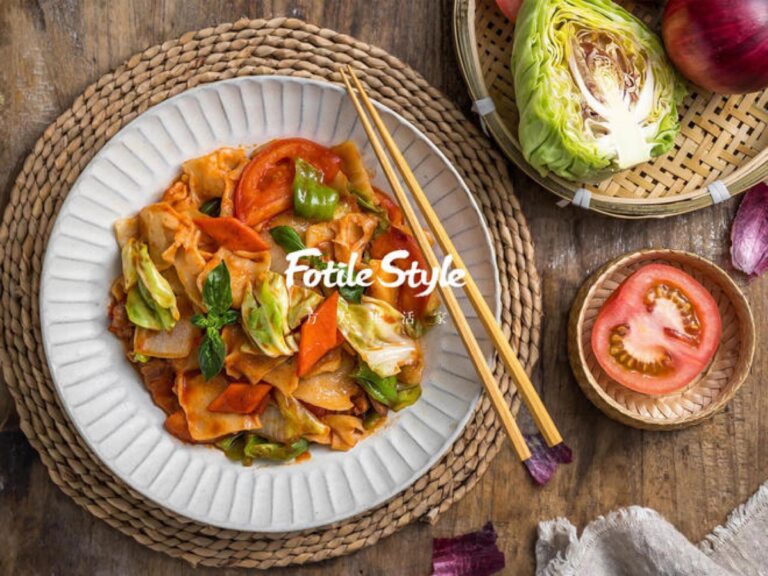
Beshbarmak is a dish of boiled meat — usually mutton, sometimes horse or beef — served over a bed of broad, flat noodles, with a rich onion broth poured on top. It is the centrepiece of every Kazakh celebration, from a child’s first steps to a memorial feast. For travelers used to the kebabs and pilaf of the south, beshbarmak is a quieter, older, more communal experience of the region’s food.
What makes it special is the sense of occasion. Beshbarmak is rarely a casual meal; it is how Kazakh families mark respect for guests and honour their elders. Being sat down to a platter of beshbarmak means you have been welcomed as family. That cultural weight is the real dish, and the boiled meat and noodles are simply the vehicle for it.
The dish also carries a memory of movement. For centuries the Kazakh people were nomads, and beshbarmak is built for a life on the move: a single big pot, a handful of staples, and a slaughtered animal turn into a feast wherever the herders happen to camp. Even today, in settled villages and city apartments, the dish summons that portable homeland, which is why it is treated with such reverence at every gathering.
Arriving by road
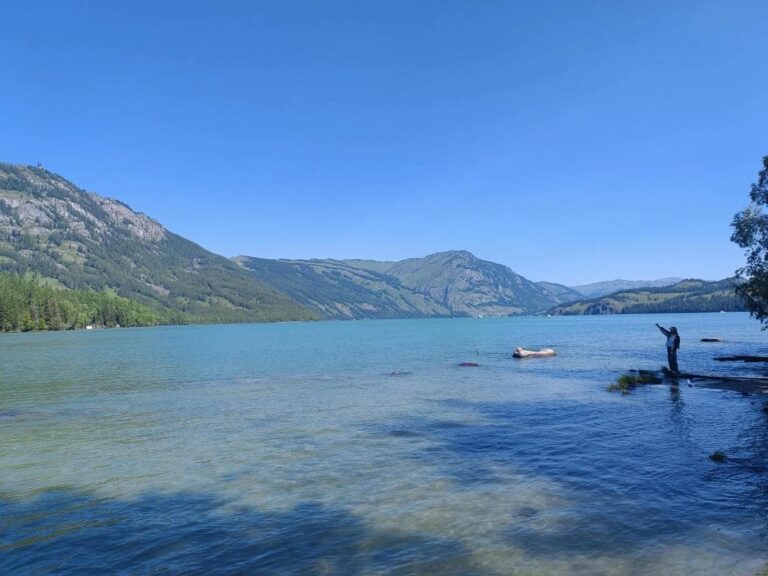
The natural home of beshbarmak is the north: the Ili Valley around Yining, the grasslands of Nalati and Kuerdening, and the Altai around Kanas and Hemu. Kazakh herders and settled communities in these areas still cook it regularly, especially in the yurt camps that cater to travelers during summer. Ask at a grassland guesthouse whether a Kazakh family meal can be arranged.
Yining is the easiest gateway, with flights and trains from Urumqi and a strong Kazakh presence in the surrounding villages. From there, a drive into the summer pastures puts you within reach of a yurt feast. In the Altai, the Tuvan and Kazakh villages near Kanas often host visitors with traditional meals, though beshbarmak is more reliably found west toward the Kazakh heartland of Ili.
For independent travelers, the most reliable route is to book a yurt stay in advance through a reputable grassland operator rather than to hope for a roadside invitation. The operators know which families cook authentically and are happy to include a beshbarmak lunch in the package. This takes the guesswork out of the search and supports the herding communities directly, which is the right way to do it.
What each season brings
Summer, from June to August, is the season for beshbarmak in the pastures. This is when the herds are on the high grasslands, the yurts are open, and Kazakh families host guests most readily. The weather is mild, the grass is green, and the meat is at its seasonal best after spring grazing. A beshbarmak lunch in a sunlit yurt is one of the defining experiences of northern Xinjiang.
Winter brings a different version: heavier, served indoors, and tied to the holiday calendar. If you visit during a Kazakh celebration such as Nauryz in March, you may be invited to a town or village feast where beshbarmak anchors the table. The dish is less touristy in winter, which can make the experience more genuine if you have local connections.
The very start of summer, in late May and early June, is a secret sweet spot. The pastures are turning green, the yurts are just opening, and the crowds of July have not yet arrived. The meat is still lean from winter but the setting is glorious, and you may have an entire hillside of wildflowers more or less to yourself while you eat. Shoulder-season beshbarmak is the insider’s choice.
The main sights
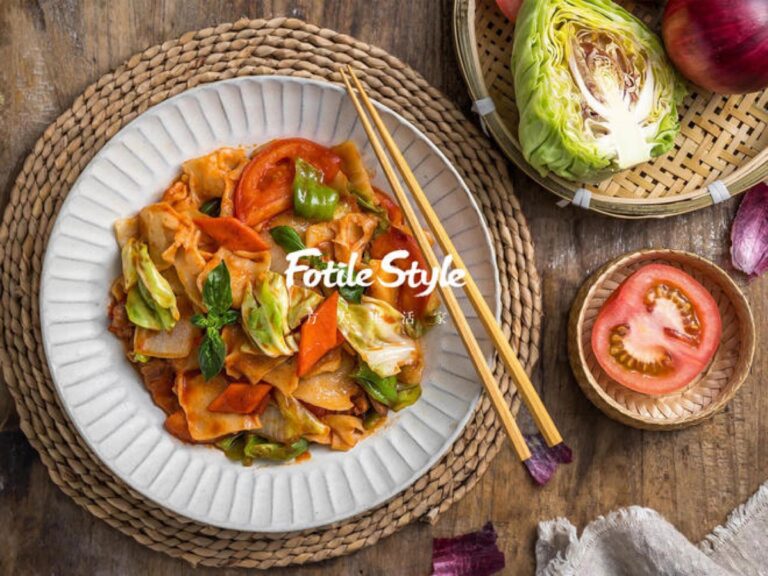
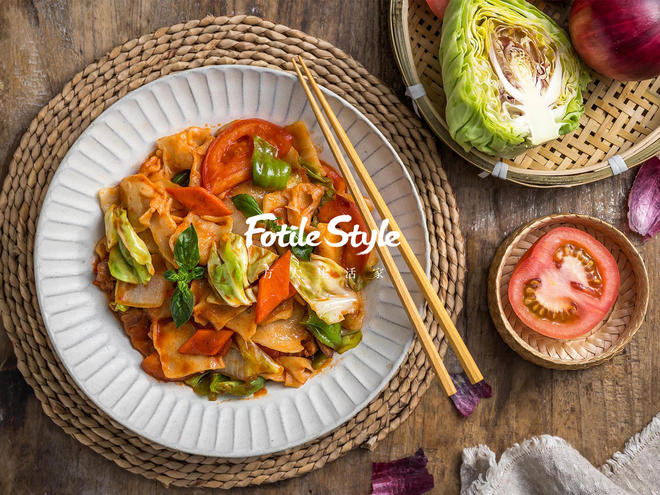
A beshbarmak meal begins long before the plate arrives. The meat is boiled whole in a large pot, sometimes for hours, with little more than salt and onion. The broth is strained and kept separate, the meat lifted out and sliced, and the noodles — called salma when hand-rolled or kespe when cut — boiled in the same flavorful water. Everything is arranged on a wide shared platter.
At the table, the host serves the choicest pieces first, traditionally offering the boiled sheep’s head to the most honoured guest, who cuts off an ear for a child as a blessing. The broth, called sorpa, is drunk from small bowls between bites. Eating with the right hand, you combine a piece of meat, a noodle, and a dip of onion or broth in each mouthful. It is filling, unhurried, and deeply social.
Do not mistake simplicity for lack of skill. The art of beshbarmak is in the broth and the timing — meat boiled too long falls apart, too short stays tough. A good Kazakh cook treats the boiling pot as a serious craft. Watching the preparation in a yurt, with smoke curling from the stove and children running past, is as much a part of the meal as the food itself.
If horse meat appears, receive it as the highest compliment. Among Kazakhs, qazi — smoked horse-meat sausage — and boiled horse flesh are prestige foods reserved for the most respected guests, and turning them down can read as an insult. Taste a little even if it is unfamiliar; the flavor is rich and gamey, closer to cured beef than to the lamb you might expect, and the gesture matters far more than the bite.
Helpful little details
Hand etiquette is essential. Eat with your right hand only, accept the pieces offered to you, and do not refuse the sheep’s head if it is presented — passing it on respectfully is the correct move. Shoes come off at the yurt door, and modest dress is appreciated. A small gift for the host, such as sweets or tea, is a gracious touch.
Beshbarmak is a full meal, not a tasting, so arrive hungry and do not expect a menu or a quick exit. Prices are usually negotiated as part of a yurt or homestay experience rather than paid per plate. Tell your host in advance about any dietary restrictions, though note that horse meat in particular is a point of pride and may appear without warning at traditional feasts.
Pace yourself through the broth. Sorpa is salty and rich, and it is easy to fill up on it before the meat arrives, so sip slowly and save room. If you are offered second and third helpings, a polite hand over the bowl and a thank-you is enough to decline without offence. And wear clothes you do not mind getting a little oily, because eating with the fingers over a shared platter is a gloriously messy business.

Runs from this base
In the Ili Valley, pair a beshbarmak meal with the apricot blossoms of Yining in spring or the alpine meadows of Nalati and Kuerdening in summer. The Kazakh yurt camps near these grasslands are the most accessible place to arrange the feast. In the Altai, the timber villages of Hemu and the birch forests of Kanas make a striking backdrop to a northern meal.
If you are on a longer northern road trip, treat beshbarmak as a deliberate stop rather than a roadside bite. The pastures around Sayram Lake and the Guozigou gorge also have Kazakh communities, and a meal there can break up the drive between Urumqi and the western valleys. Let the landscape and the hospitality set the pace for the day.
Around the Kazakh heartland you will also find eagle hunters, horse games, and summer fairs that round out the cultural picture. Timing a beshbarmak lunch to coincide with a local sporting event or a demonstration of falconry turns a single meal into a full immersion in nomadic heritage. Ask your yurt host what else is happening nearby before you commit to a tight driving schedule.
Keep these, skip that
Beshbarmak is the dish that reveals Xinjiang’s other half — the nomadic, northern, Kazakh traditions that sit alongside the better-known Uyghur table. Boiled rather than grilled, shared rather than plated, eaten with the hands rather than forks, it is a direct line to a way of life that the pastures have preserved for centuries.
If your Xinjiang trip stays in the cities, you will miss it. Make the effort to reach the grasslands, accept the invitation, and eat with five fingers. Beshbarmak will give you a story about the region that almost no casual visitor gets to tell.
And when you finally sit cross-legged on the felt floor, steam rising from the platter, you will understand why the Kazakhs name their greatest dish after the hand that eats it. Beshbarmak is not just food; it is the whole philosophy of the steppe, served warm and passed from palm to palm.