Chaomianpian (炒面片): Xinjiang’s Stir-Fried Noodle Slices and the Wok That Defines Them
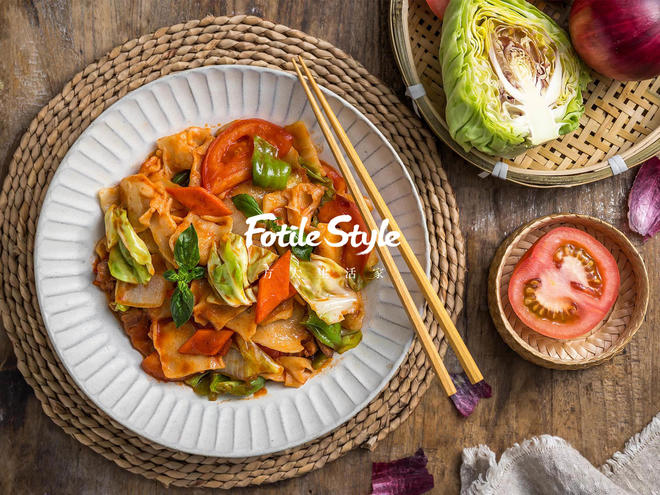
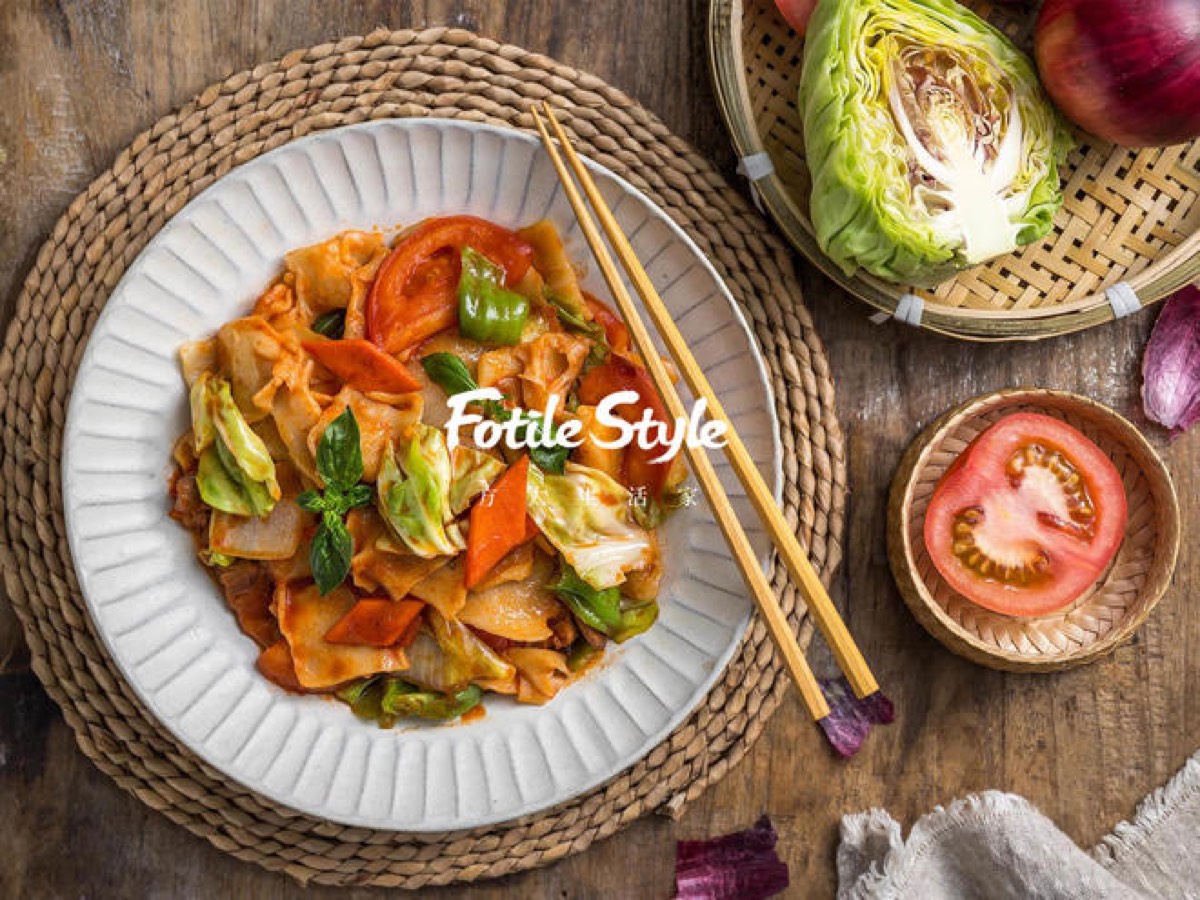
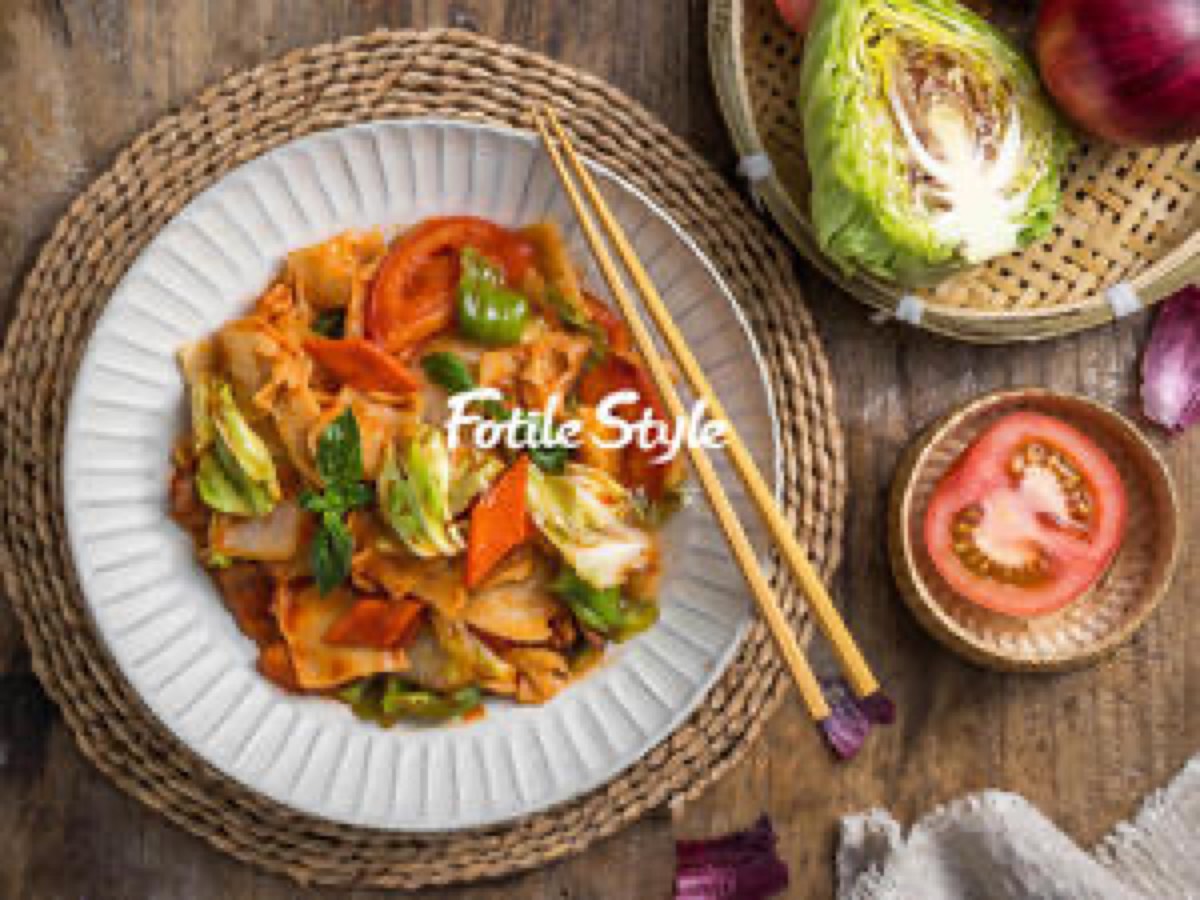
If polo is Xinjiang’s Sunday dish and laghman its everyday noodle, chaomianpian is its lunch-break sprint. The name means literally ‘stir-fried noodle pieces’ — small, irregular slabs of wheat dough, hand-torn rather than cut, flash-fried in a screaming-hot wok with lamb, onion, tomato, and green pepper. It is the dish you order when you have forty minutes and a hunger that rice alone won’t fix.
What separates it from the lo mein you know is the shape and the heat. The pieces are thicker than spaghetti, thinner than dumpling skins, and their ragged edges catch sauce and char in a way uniform noodles never do.
How It’s Made
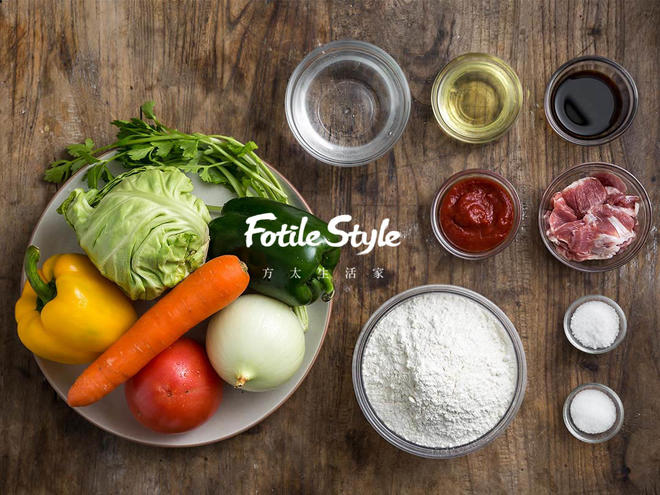
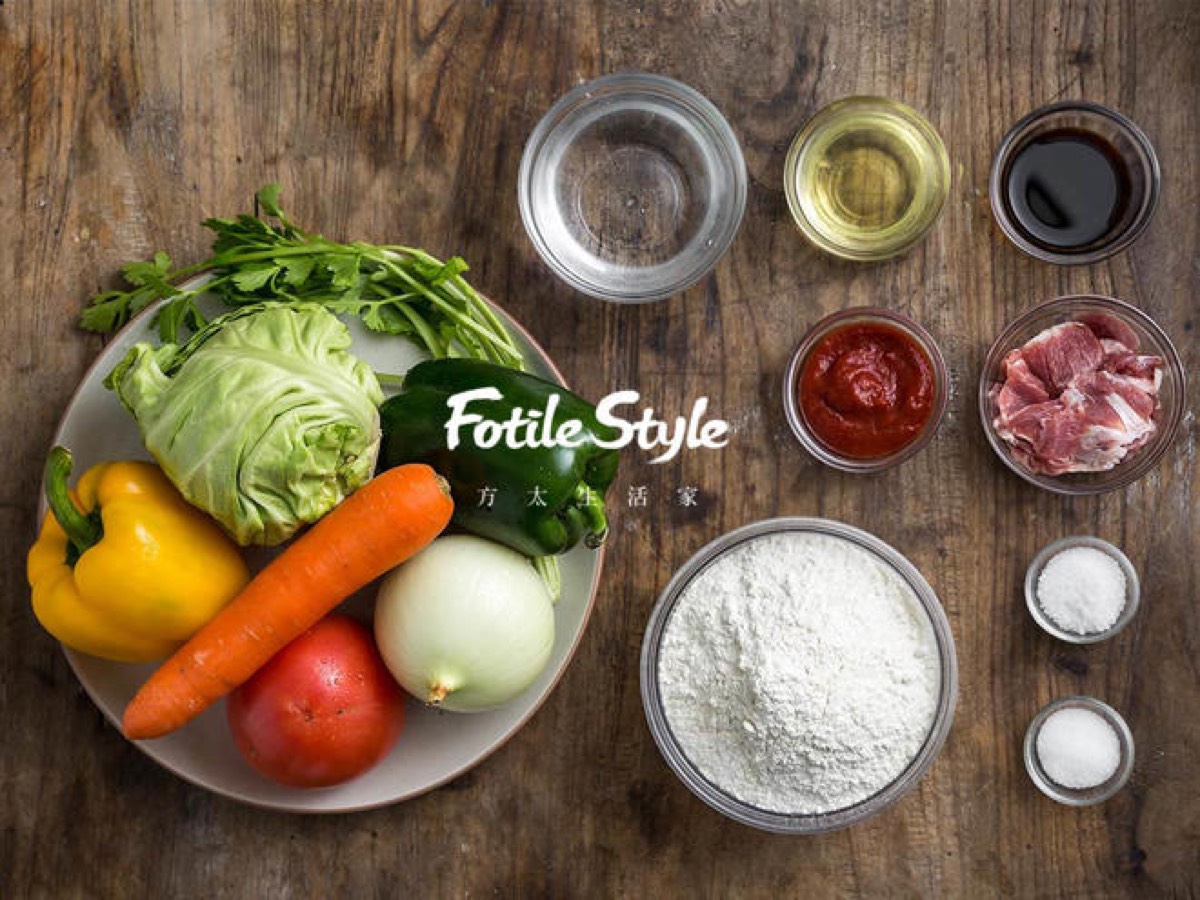
A cook starts with a simple wheat dough, rested so it relaxes. Instead of rolling and cutting, they pinch off thumb-sized ovals and press them flat between thumb and palm — fast, almost careless, which is the point. The pieces hit a wok already hot with lamb fat and browning meat. Onion, tomato (for acidity and color), and green or red pepper go in, then the noodles, tossed hard for a minute or two so the edges blister but the centers stay chewy.
Seasoning is minimal: salt, a little cumin in some kitchens, and sometimes a splash of black vinegar at the end to brighten it. There is no heavy sauce — the moisture comes from the tomato and the steam, not a poured gravy. Done right, the plate is dry, smoky, and distinctly ‘wok-hei’ (the breath of the fire).
Where to Eat It
Chaomianpian is a Hui and Uyghur staple found in nearly every noodle shop (面馆) from Urumqi to Hotan. Look for places where the dough is made in-house and the wok is busy — a dead wok means a soggy plate. In Urumqi, the noodle alleys near the bazaar district are reliable; in smaller towns, the busiest lunch counter is usually the right one.
Order it ‘la’ for chili oil on top, or plain if you want the lamb forward. A side of pickled garlic or a cold cucumber salad cuts the richness. Portions are generous; one plate is a meal.
Who should think twice about {P}
It does not suit a family with a small child who needs a shade stop every forty minutes, and it does not suit anyone in week two of a high-altitude trip still feeling it. The honest version: take half a day if that is all the arithmetic allows, and save the full day for the thing that is genuinely once in a lifetime. I am not going to pretend this is gentle. There is a lot of unshaded ground, the altitude is real if you came from a low-altitude city, and the swing between the car and the viewpoints is enough to give you a headache on an empty stomach. Who it does not: anyone whose main goal is a relaxed few days, and anyone who has already done this same thing twice here.
Who it does suit: someone wanting one strong memory, someone driving the Xinjiang loop anyway, someone willing to be out before breakfast. If you are short on days, this is the thing to cut, and no guidebook will tell you that. Chaomianpian %e7%82%92%e9%9d%a2%e7%89%87 Xinjiangs Stir is superb, but it is also an hour or more in each direction from everything else you planned, and the drives are what eat the schedule. It suits a traveller with a car and a flexible morning. It suits people who like landscape and can walk a few kilometres at their own pace. Where most people get the logistics wrong is covered in our [[xinjiang-chao-mian-pian-stir-fried-noodle-slices-guide|Chao Mian Pian (Stir-Fried Noodle Slices):…]].
What goes in the day pack
A fleece covers most of the year, a real jacket covers shoulder season. The temperature drops fast once you stop moving and the drop is not hypothetical on an exposed pass. Cards work at the gate and in the shops, but the stalls on the approach road and the drivers waiting at the turnoff want cash, and coming up short at the moment you want a lift is the classic way to lose an hour. Water, more than you think, a power bank and some cash.
Sunscreen and a brim. The light here is serious and the shade is intermittent, so the sunscreen goes on before you leave the hotel, not at the gate. A wind shell. The evening version of that plan is in our [[naan-%e9%a6%95-xinjiangs-essential-flatbread-and-the-oven-that-defines-a-region|Naan (馕): Xinjiang’s Essential Flatbread…]].
Timing your visit to {P}
The second I gave it a morning and a late-afternoon return and saw two completely different places, because the light moved across the surface and the crowds thinned to nothing. My own rule now: if I have to choose between this and an extra evening in Xinjiang, I keep the evening. Most first-timers plan two hours and then get stranded. The gates open early and the last entry tends to stop a couple of hours before closing, so the promise of coming back for sunset is not always possible. Budget the full morning.
That covers the walk in, the slow look at the main feature, the side trails almost nobody does, and getting back to the car before the light goes flat. Ninety minutes is enough to tick the box. Half a day is enough to understand it. A full day is what you want when the point of coming was Chaomianpian %e7%82%92%e9%9d%a2%e7%89%87 Xinjiangs Stir itself rather than a stop on the way. The first time I rushed it and spent the whole visit looking up at the same rock from one spot.
Chaomianpian vs. Laghman
People confuse the two. Laghman is long, hand-pulled noodles served under a wetter vegetable-and-meat sauce (often with more tomato and a broth note). Chaomianpian is short, torn pieces, dry-fried, and faster. Both are wheat-and-lamb at heart; the difference is format and fire. Try both on a trip and you’ll soon have a favorite.
A Note on Fill
This is a carb-and-protein dish built for cold mornings and long drives. It is not light, and it is not supposed to be. Eat it hot, eat it fast, and you’ll understand why it’s the region’s default working lunch.