Xinjiang Lamb Skewers: Why They Taste Better Here Than Anywhere Else
The smoke rises from charcoal grills lining every night market street in Xinjiang. The unmistakable aroma of sizzling lamb fat, toasted cumin, and dried chili fills the warm evening air. This is kawap — the legendary lamb skewer that has been feeding travelers along the Silk Road for over a thousand years.
Last updated: July 15, 2026 · Written by Karl Huang, a Xinjiang travel specialist who has spent time across the region. Practical details are cross-checked against official tourism, transport, and border-regulation sources.
For first-time visitors to Xinjiang, lamb skewers are often the very first dish they taste. And for good reason: no other food captures the raw, bold spirit of this region quite like a perfectly charred piece of lamb on an iron skewer, dusted with cumin and red chili powder.
In this guide, we’ll explore everything you need to know about Xinjiang lamb skewers — from their deep-rooted history and traditional preparation methods to the best places to try them and tips for ordering like a local.
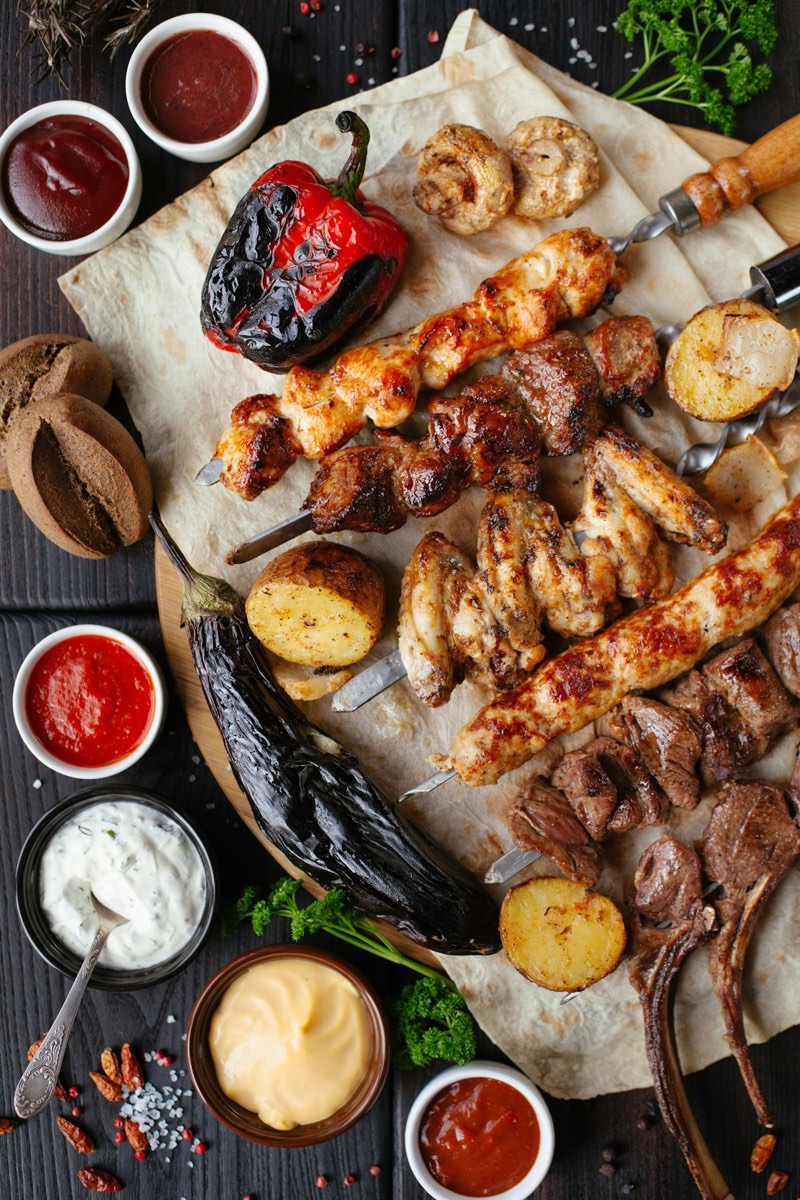
What Are Xinjiang Lamb Skewers (Kawap)?
The word “kawap” (كەۋاپ) comes from the Uyghur language and means grilled or roasted meat — the same root as the Turkish “kebab” and Arabic “kebab.”
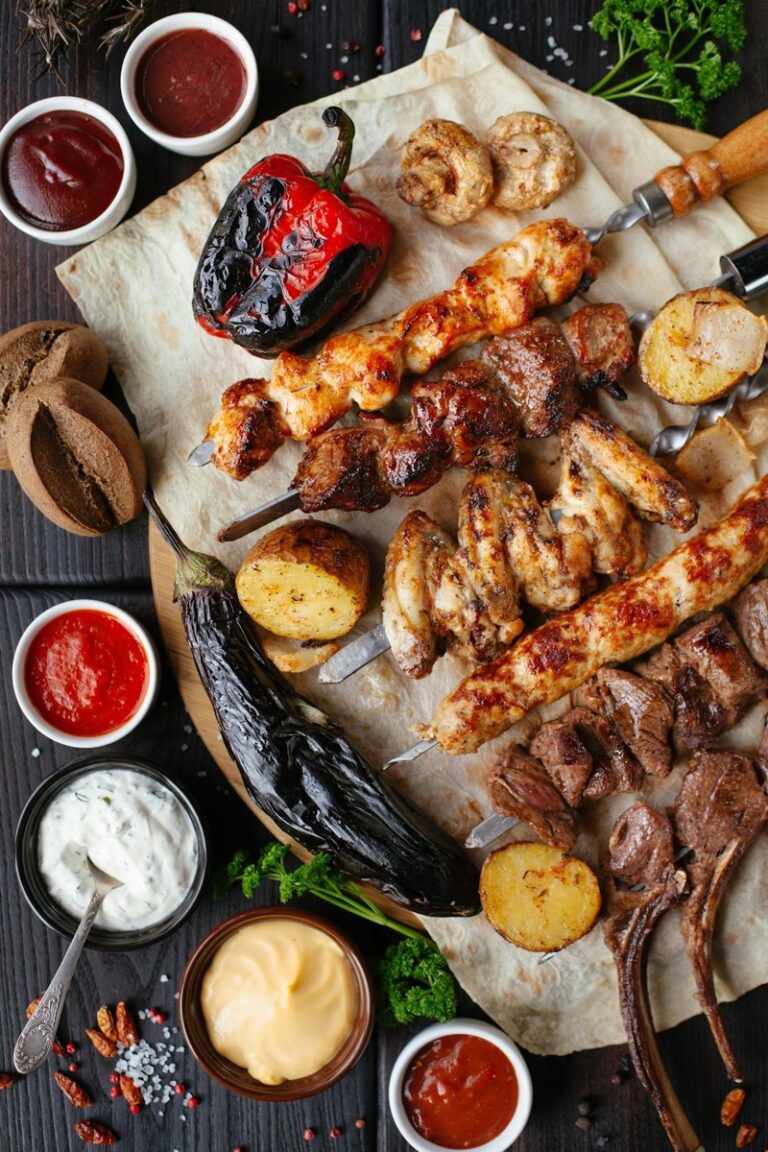
Xinjiang lamb skewers are chunks of lamb meat threaded onto flat iron skewers and grilled over charcoal fire. What sets them apart from the skewers you might find elsewhere in China or around the world is the quality of the meat, the simplicity of the seasoning, and the traditional grilling technique passed down through generations.
Each skewer typically contains five to seven pieces of lamb, alternating between lean meat and small pieces of tail fat. It’s this interplay of lean and fatty that creates the signature juicy, smoky flavor — as the fat renders over the charcoal, it bastes the lean meat from within.
A Brief History: From Nomadic Campfires to City Streets
The origins of lamb skewers trace back to the nomadic tribes of Central Asia. On the vast grasslands, shepherds needed a practical way to cook meat while tending their flocks. They would cut lamb into pieces, thread them onto sharpened sticks, and hold them over open flames.
By the Tang Dynasty (618–907 AD), grilling techniques in the Western Regions (as Xinjiang was then known) had become highly refined. Archaeological finds — including stone carvings depicting grilling scenes and bronze skewers excavated from ancient tombs — confirm that the art of skewered lamb has been part of this region’s culinary identity for well over a millennium.
As Silk Road caravans passed through Xinjiang, they carried this grilling tradition eastward and westward. The technique spread to the Middle East, Central Asia, and eventually across all of China. Today, lamb skewers can be found on nearly every street corner in Chinese cities — but purists will tell you that the best ones are still found right here, in Xinjiang.
The Essential Ingredients
The Lamb: Why Xinjiang Lamb Is Different
Xinjiang is home to some of the finest lamb in the world. The region’s vast grasslands — stretching across the Altai, Tianshan, and Kunlun mountain ranges — provide year-round grazing for sheep breeds like the Bashbay sheep (巴什拜羊) of the Ili Valley and the Duolang sheep (多浪羊) of Kashgar.
These sheep feed on wild grasses, herbs, and medicinal plants that grow naturally on the high-altitude pastures. The result is remarkably tender meat with virtually no gamey odor — a quality that even visitors who don’t typically enjoy lamb will appreciate.
For skewers, the preferred cuts are hind leg or shoulder, chosen for their balance of tenderness and flavor. The ideal piece is roughly 2 by 2 centimeters, large enough to stay juicy but small enough to cook through quickly on the grill.
The Fat: The Secret Nobody Talks About
Here’s what separates authentic Xinjiang lamb skewers from imitations: tail fat. Between every two or three pieces of lean meat, a thin slice of sheep tail fat is threaded onto the skewer. As the fat melts during grilling, it coats the surrounding meat, keeping it moist and infusing it with a rich, buttery flavor.
This detail is non-negotiable in authentic preparation. Without the tail fat, the skewers lose their characteristic juiciness and depth of flavor.
The Seasoning: Three Ingredients, Infinite Flavor
Unlike many other regional Chinese cuisines that rely on complex marinades, Xinjiang lamb skewers keep their seasoning remarkably simple:
- Dried cumin (孜然) — The soul of the dish. Whole cumin seeds are often toasted before being coarsely ground, releasing an earthy, warming aroma that pairs perfectly with lamb.
- Dried red chili powder — Made from locally grown red chilies, this adds a vibrant color and a moderate heat that enhances rather than overwhelms the lamb’s natural flavor.
- Coarse salt — A generous pinch applied during grilling to bring out the meat’s natural sweetness.
That’s it. No soy sauce, no five-spice powder, no sugar. The philosophy here is to let the quality of the meat speak for itself, with cumin and chili as supporting players rather than masking agents.
How Authentic Lamb Skewers Are Made
Watching a skilled grill master at work is half the experience. Here’s the traditional process, step by step:
Step 1: Cutting and Skewering
Fresh lamb is cut into uniform cubes and alternated with thin slices of tail fat on flat iron skewers. The flat shape of the skewer serves a purpose — it prevents the meat from spinning, ensuring even contact with the heat on all sides.
Step 2: The Charcoal
Traditional vendors use haloxylon wood charcoal (梭梭木炭), a dense hardwood found in the Gobi Desert regions of Xinjiang. It burns at a high, consistent temperature and produces minimal smoke, allowing the pure flavor of the lamb and spices to dominate.
Step 3: Grilling Over Open Flame
The skewers are held roughly 10 centimeters above glowing red coals. The cook continuously turns each skewer, ensuring every side gets direct contact with the heat. The entire grilling process takes only about five to eight minutes — fast enough to sear the outside while keeping the inside pink and juicy.
Step 4: Seasoning in Layers
The cumin, chili powder, and salt are not applied all at once. Instead, the cook sprinkles seasonings in two or three passes as each side finishes searing. This layering technique creates a more complex, deeply integrated flavor than a single heavy coating would.
Step 5: Serving Immediately
Lamb skewers are always served hot off the grill — there is no such thing as a lukewarm skewer in Xinjiang. They’re typically handed directly from grill to customer, often with a freshly baked naan flatbread on the side.
Where to Find the Best Lamb Skewers in Xinjiang
Urumqi: The Capital of Night Market Culture
The night markets of Urumqi are legendary. Head to the Erdaoqiao Grand Bazaar area after sunset, where dozens of grill vendors line the streets. The competition among vendors keeps quality high and prices honest. A single skewer typically costs between 5 and 10 RMB (less than $1.50 USD).
Kashgar: The Heart of Traditional Uyghur Food
In Kashgar’s Old City, you’ll find lamb skewers that feel untouched by modern shortcuts. Vendors here still use traditional haloxylon charcoal and hand-cut their meat daily. The Owtagh night market is a must-visit for any food traveler.
Turpan: Flame Mountain Skewers
Near the famous Flaming Mountains, local vendors sometimes grill skewers using the intense heat of the desert environment itself. The result is an extra-charred, intensely smoky flavor that you won’t find anywhere else.
How to Eat Lamb Skewers Like a Local
- Hold the skewer by the thick end and eat directly from it — no plates, no forks.
- Eat immediately while the fat is still sizzling. Lamb skewers do not improve with time.
- Pair with naan — tear off a piece of fresh flatbread and wrap it around a piece of meat for the most authentic bite.
- Order by the handful — locals typically eat 5 to 10 skewers in one sitting.
- Try it with cold beer or milk tea — both are traditional accompaniments.
Practical Tips for Travelers
Is it safe to eat street food lamb skewers? Yes. In Xinjiang, lamb skewers are grilled at very high temperatures over open flame, which effectively kills any surface bacteria. The high turnover at popular stalls also means the meat is always fresh.
What does it taste like? Expect tender, slightly smoky meat with a rich, fatty mouthfeel from the tail fat. The cumin adds an earthy, aromatic warmth, while the chili provides a gentle, pleasant heat. It is savory, satisfying, and deeply comforting.
How much should I pay? Prices vary by city and location. Expect to pay 5–10 RMB per skewer at street stalls, and 15–30 RMB at restaurants. A satisfying meal of 5–8 skewers with naan will cost you roughly 50–80 RMB ($7–11 USD).
Can vegetarians find alternatives? Some vendors offer skewers of grilled vegetables, tofu skin, or mushrooms using the same cumin-chili seasoning. While not as iconic as the lamb version, they’re a tasty option for non-meat eaters.
Why Lamb Skewers Matter in Xinjiang’s Food Culture
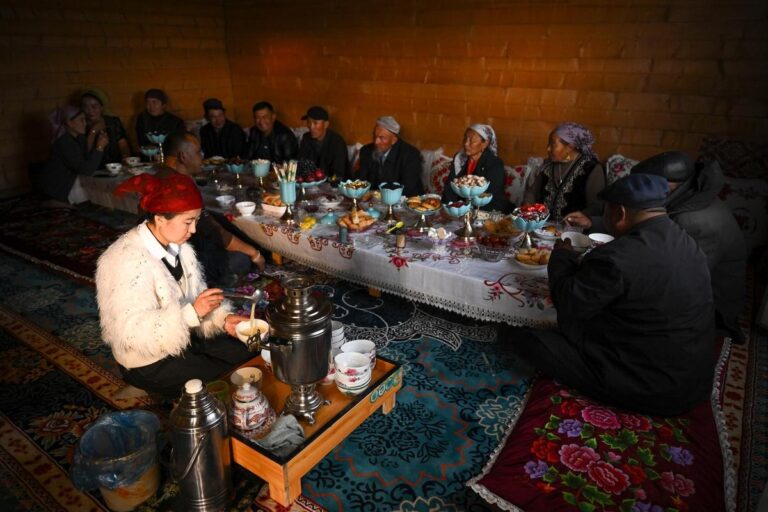
Lamb skewers are more than street food in Xinjiang — they are a cultural institution. They are the centerpiece of every celebration, from weddings and festivals to casual evening gatherings with friends. The act of standing around a charcoal grill, eating skewers hot off the fire, is one of the most authentic social experiences you can have in this region.
For travelers, understanding lamb skewers means understanding something essential about Xinjiang itself: a place where ancient traditions live on in everyday life, where food is not just sustenance but a living connection to the Silk Road’s rich, multicultural heritage.
If you’re planning a trip to Xinjiang, make sure lamb skewers are at the top of your must-try food list. And when you stand in a bustling night market, watching the sparks fly from a charcoal grill as the vendor hands you a steaming skewer — you’ll understand why this simple dish has captivated travelers for over a thousand years.
Is Xinjiang food spicy?
Uyghur cuisine uses cumin, chili, and Sichuan peppercorn—so it can be spicy. But many dishes like polo rice are mild.
What are must-try dishes?
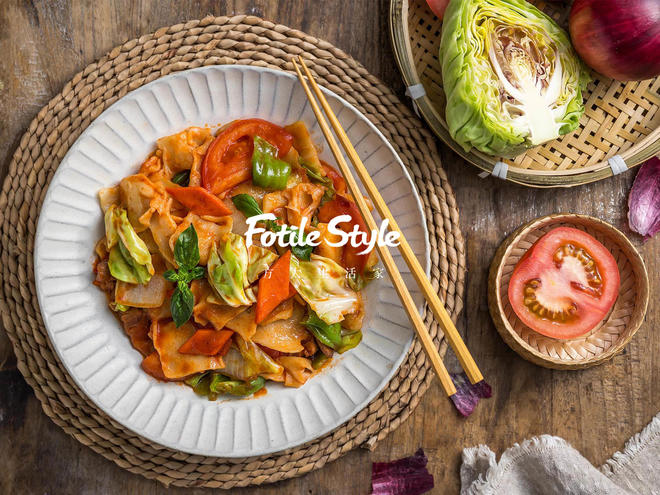
Don’t miss Dapanji (big plate chicken), laghman (hand-pulled noodles), roasted lamb skewers, naan bread, and samsas.
Where’s the best food?
Night markets in every city offer authentic, affordable food. Urumqi’s Grand Bazaar night market is exceptional.