Eating in Yili (Ili): The Grassland Cuisine of Xinjiang’s Green Northwest
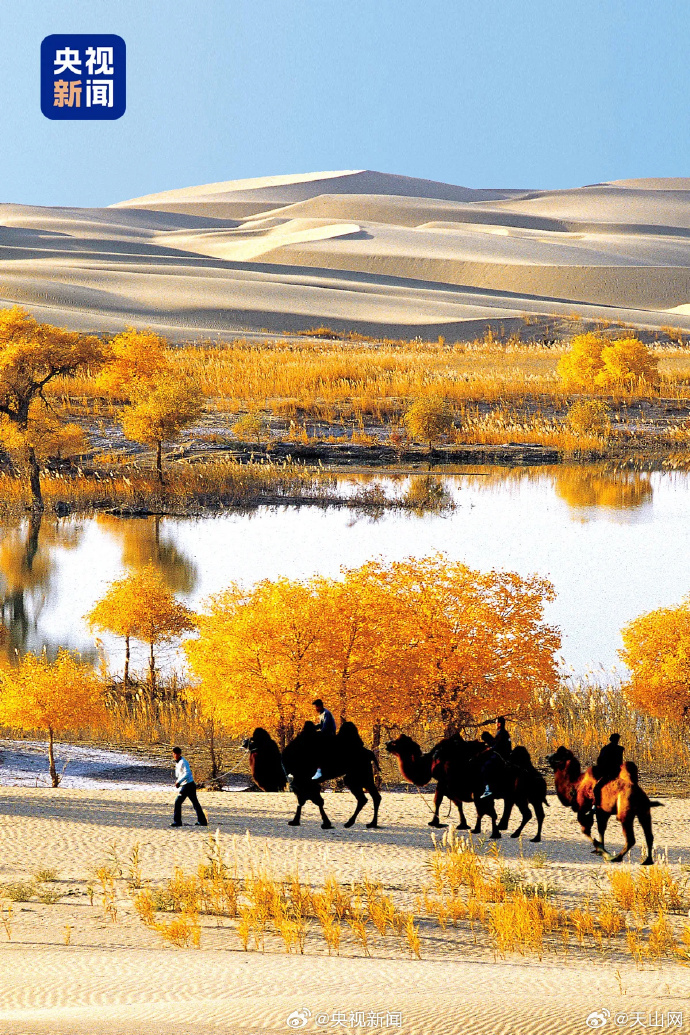
People picture Xinjiang as desert. Then they reach Yili (Ili) in the far northwest and find green valleys, fat cattle, and a cuisine built on dairy and pasture. I spent a week eating my way from Yining to Zhaosu and gained the right kind of weight. If you are mapping Urumqi and Kashgar already, Yili is the creamy, meaty counterpoint.
Why Yili Food Tastes Different
Yili sits in a river valley shielded by mountains, with rainfall and pasture that southern Xinjiang lacks. That means more cows and horses than camels and goats, and a Kazakh and Mongol influence that pushes butter, kurut (dried yogurt balls), and koumiss to the front of the table.
Signature Yili Dishes
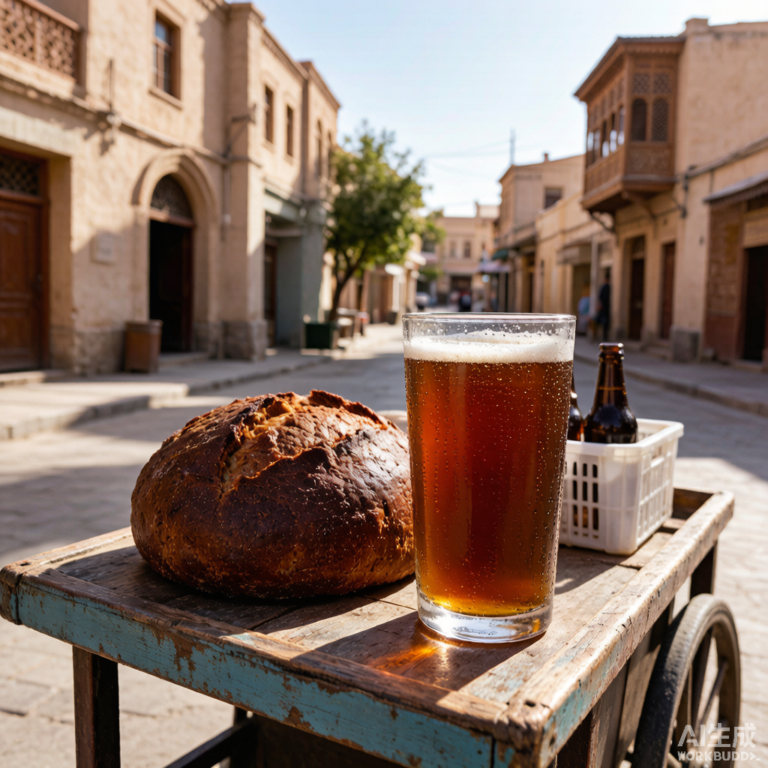
Yili Naan with Butter and Kurut
The local naan here is often torn and topped with fresh butter and a crumble of sour kurut — a breakfast that is basically cheese-on-toast, Silk Road style. Pair with milk tea.
Horse Meat (Kazhi, Sujuk)
Yili is famous for cured horse-meat sausage: kazhi (a pressed, garlicky sausage) and sujuk (a dry, spicy horse salami). Sliced cold, it’s a winter staple and a genuine northern delicacy. Try it in Zhaosu in deep winter.
Beshbarmak and Naren
The Kazakh feast dishes — beshbarmak (boiled meat over wide noodles) and naren (the festive noodle version) — originate here. Eaten with the hands, shared from one platter, they are the region’s centerpiece meal.
Grassland Whole Lamb
Less spiced than the south’s whole roast lamb, Yili’s version is often simply salted and boiled or gently roasted over open flame on a yurt stay. The meat quality needs little else.
| Dish | Best where | When | Price guide |
|---|---|---|---|
| Kazhi sausage | Zhaosu, Yining | Winter | 40–60 RMB/plate |
| Beshbarmak | Grassland yurts | Year-round | 80–150 RMB/person |
| Kurut & butter naan | Any breakfast spot | Year-round | 10–20 RMB |
| Koumiss | Yurt stays | Summer | 15–30 RMB/glass |
| Boiled lamb | Yurt, farmstays | Year-round | 100–160 RMB/kg |
Where to Eat in Yining
Yining’s Swan Lake district and the streets behind the Russian-style cathedral have the best mix: Kazakh dairy cafés, Hui noodle houses, and Uyghur kebab rows within a few blocks. For a sit-down Kazakh feast, book a muxiapu (yurt restaurant) on the city edge. The best-time guide notes June–September for grassland access.
Markets and Sweets
The Yining bazaar sells the same dried fruits as the south but adds grassland cheeses and fresh butter. For afters, the sweets guide covers the walnut cakes that turn up here too. Don’t miss boortsog — fried Kazakh dough knots dipped in honey.
Frequently Asked Questions
Is horse meat safe / legal to eat?
Yes in Xinjiang; horse meat is a traditional, legal food here, especially in the north. If you avoid it for personal or cultural reasons, plenty of beef and lamb alternatives exist.
Is Yili food spicier or milder than the south?
Milder and dairy-forward. The cumin-chili punch of southern kebabs is present but softer; butter, sour milk, and herbs lead instead.
Can I visit a yurt and eat?
Yes, many pasture yurts near Nalati and Karajun offer meals to visitors for a fee. It’s the best way to taste beshbarmak and koumiss authentically. Arrange through your guesthouse.
When is Yili best for food?
Summer for koumiss and grassland lamb; winter (Dec–Feb) for horse-meat sausages and hot milk tea feasts. Both seasons are documented in the seasonal guide.