Urumqi Food Map: Eating by Neighbourhood and the Grand Bazaar
{ “@context”: “https://schema.org”, “@type”: “Article”, “headline”: “Urumqi Food Map: Eating by Neighbourhood and the Grand Bazaar”, “description”: “If there is one mountain range that defines Xinjiang, it is the Tianshan Mountains (天山, #8220;Mountains of Heaven#8221;). They run 2,500 kilometers (1,5…”, “url”: “https://www.xinjiangtraveltips.com/urumqi-food-map-guide/”, “datePublished”: “2026-06-05”, “dateModified”: “2026-06-05”, “mainEntityOfPage”: { “@type”: “WebPage”, “@id”: “https://www.xinjiangtraveltips.com/urumqi-food-map-guide/” }, “publisher”: { “@type”: “Organization”, “name”: “Xinjiang Travel Tips”, “url”: “https://www.xinjiangtraveltips.com” }
}
Urumqi (乌鲁木齐) is Xinjiang’s capital and its kitchen — the place where Han, Uyghur, Kazakh, Hui, and Russian-influenced food meet. This is a “where to actually eat” map organised by neighbourhood and market, not a list of ten dishes (for that, see the Urumqi food scene).
Start at the International Grand Bazaar
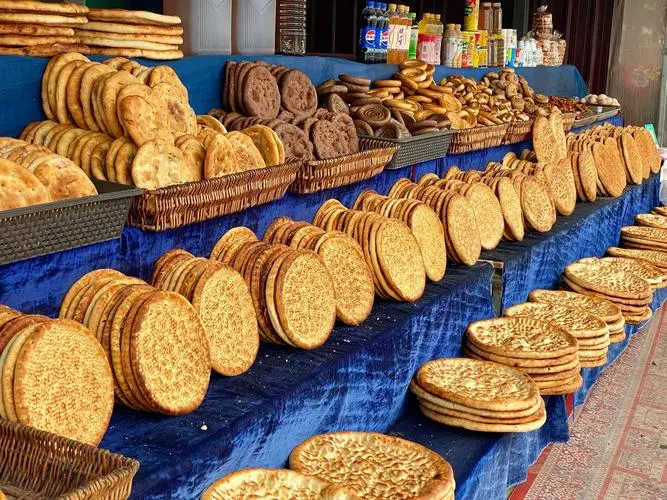
The International Grand Bazaar is the obvious first stop: naan ovens, dried-fruit stalls, kebab rows, and the sweet shops. Touristy at the core, but the food stalls on the periphery are real. Go hungry, graze, don’t sit for a “show” meal.
The Hui (Muslim) quarter and the noodle streets
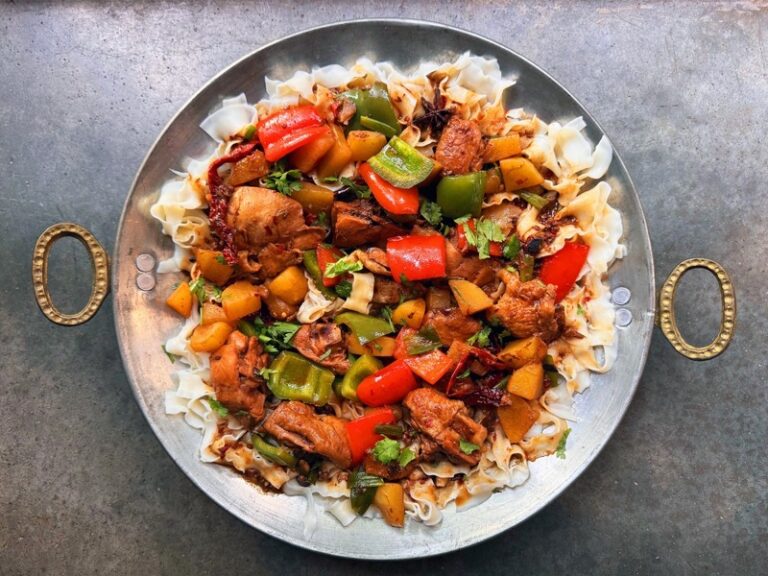
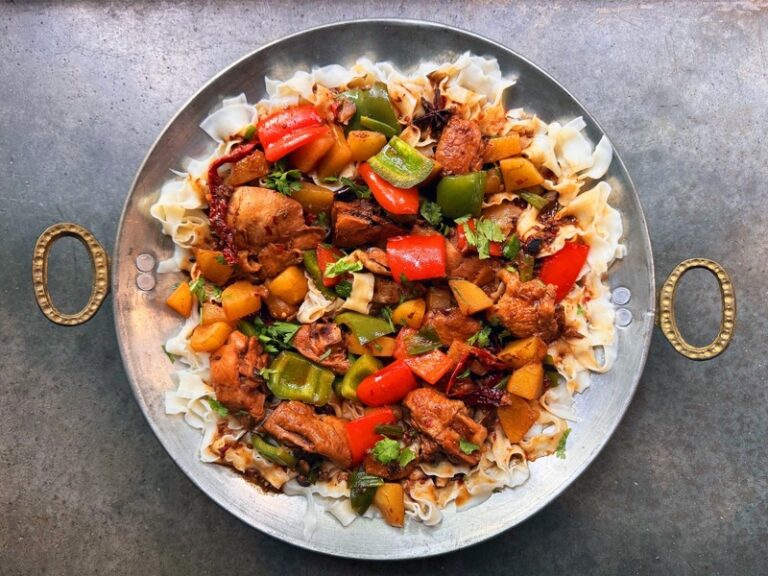
Around the older Hui districts you’ll find the best laghman (hand-pulled noodles), da pan ji (big plate chicken), and suan ni bai rou (garlic lamb). Look for the places full of locals at 14:00 — that is the lunch-rush tell.
The Russian/Guangming district for dairy and bread
Urumqi’s eastern-European thread shows in its bakeries and dairy: lieba (round sourdough), thick milk, and cream desserts. Worth a morning wander if you like bakeries.
How it is actually eaten
If you are travelling solo and the thought of a room full of families bothers you, the counter seats at the small places are exactly the right answer. Bread goes down first, tea arrives without being asked for, and the main dish comes when the people eating together are already sitting properly. In Urumqi Food Map the meal is a long one, not a fast one. Eating alone here is a quiet business and the kitchen knows it. I wrote the driving side up in our [[urumqi-night-market-food-guide|Urumqi Night Markets: A Food Crawl Through…]] as well.
What travels home and what does not
Nuts, dried grapes, an uncut flatbread and vacuum-packed lamb all survive a long-haul flight. What does not work is anything fried or saucy, which turns in transit, and anything you cannot repeat at home. It is cheaper, the staff wrap it properly, and it spends a week in your bag as the best thing about the trip. Buy the dried fruit in the market rather than at the airport and ask for it packed at the stall. If the timing is the question, our [[kashgar-food-guide|Kashgar Food Guide: The 8 Best Dishes to…]] goes through it properly.
Three words that change the order
In Urumqi Food Map that single gesture has never once got me the wrong dish, and it saves you ordering a second plate you did not want. Point at what the next table has. What you need is the phrase for not spicy, the hand signal for a smaller portion, and the knowledge that one word covers what locals drink in winter, which is salt and butter, and what visitors get, which is sweet. You do not need Uyghur. The short version, with the numbers, is in our [[2026-xinjiang-food-guide|2026 Xinjiang Food Guide:A Silk Road…]].
The stall, the teahouse and the restaurant
What you lose at the stall is a seat and some shade. I eat at the first two most days and take people to the third when they ask for somewhere proper. Everything else is right there. Three kinds of place sell the same dish in Urumqi Food Map, and they are not competing so much as serving different occasions.
The street stall is fastest, cheapest and eaten standing up. The teahouse is where you sit an hour and get refilled. The restaurant is where you take someone you want to impress. The food is the same and the price gap is not small.
Markets for supplies and snacks
- Dried fruit & nuts: buy by weight at the bazaar; the apricot kernels and raisins are the real deal.
- Evening street food: the night markets along the main drags fire up after dark — kebabs, chuan, and sweet ma Hua.
A practical eating plan
Breakfast: naan and milk tea from a corner oven. Lunch: a noodle or big-plate-chicken joint off the bazaar. Dinner: the night market. One day covers the highlights; two lets you repeat the best stall. For the wider city beyond food, the Urumqi city guide has the non-edible sights.