Xinjiang Food Festivals & Seasonal Eats: When to Time Your Trip for the Best Bites
Xinjiang doesn’t taste the same in August as in February. I’ve now eaten across three seasons and the calendar is the secret menu. The best-time guide covers weather; this is the food calendar — when to come for grapes, when the lamb is fattest, and which festivals are really about the eating.
Spring (Apr–May): Greens and New Lamb
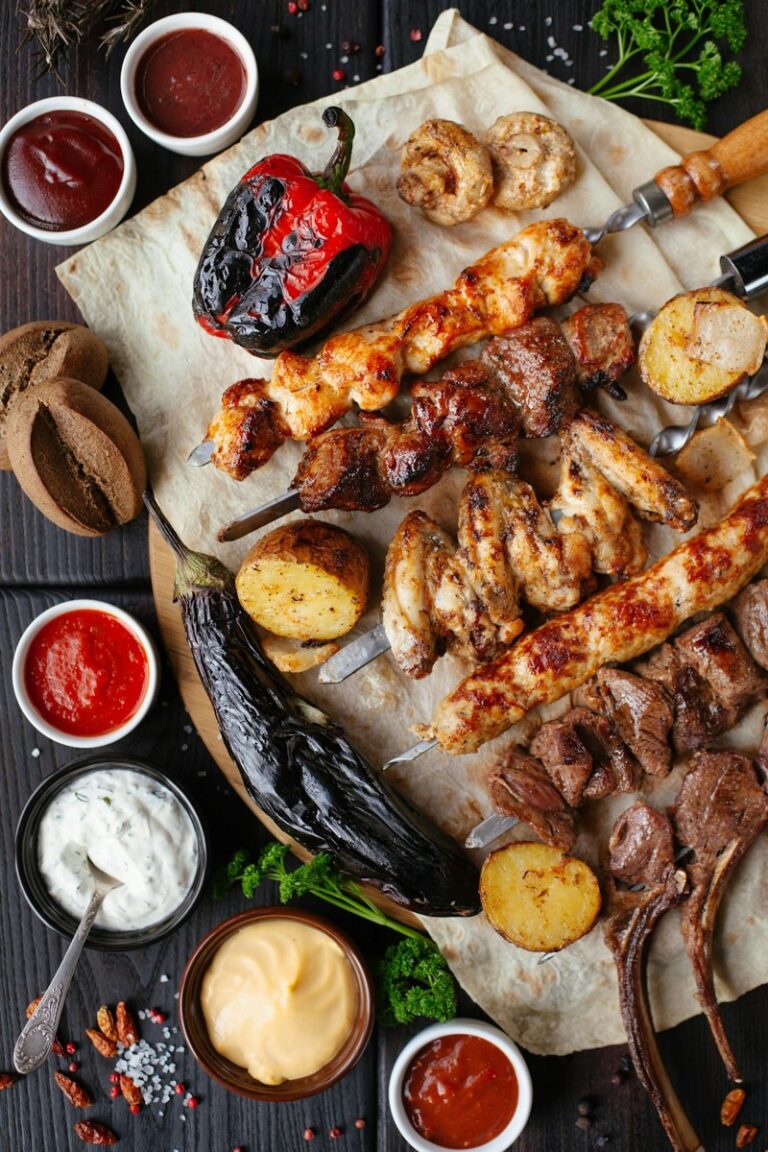
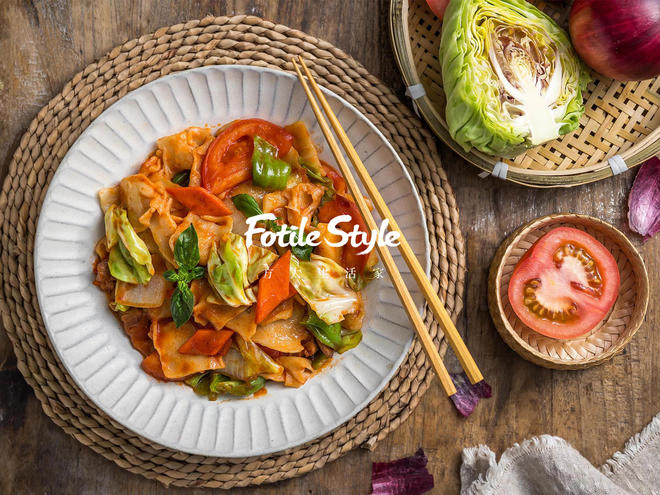
Pasture lambs born the previous year are spring-slaughtered — tender, mild. Noodle soups and light shorpa broths shine. Wild greens appear in pitimanta fillings. City markets wake up after winter.
Summer (Jun–Aug): The Sweet Peak
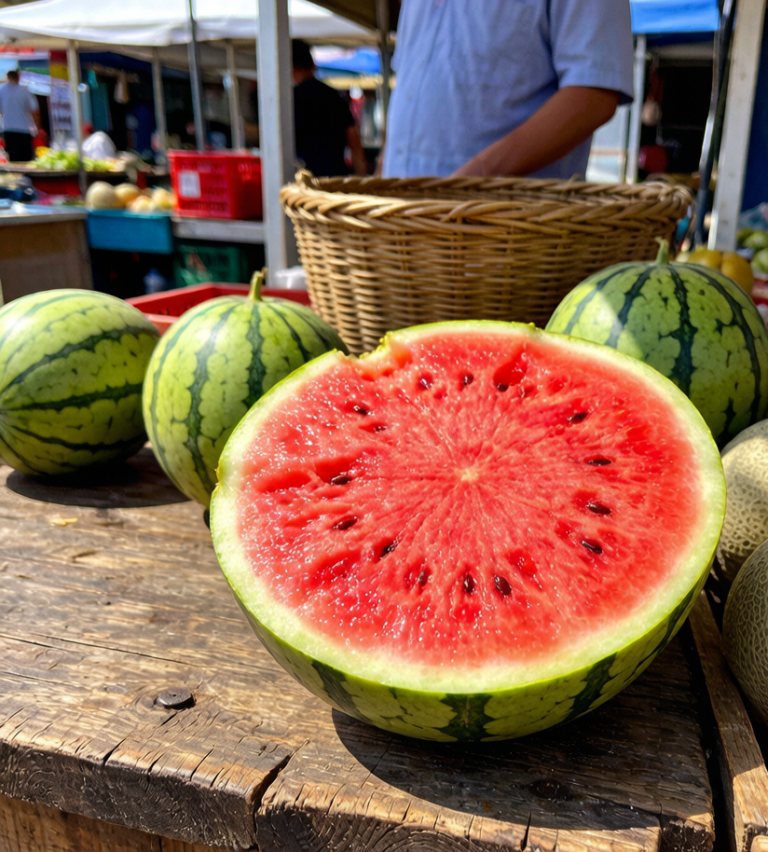
This is the glory season. Turpan grapes (guide) ripen July–September; Hami melons and apricots flood the bazaars. Grassland koumiss flows in Yili. It’s also the time for the Turpan Grape Festival (August) — equal parts music and free grapes.
Don’t Miss
The Angur (grape) festival in Turpan and the Yili grassland festivals where beshbarmak is served by the platter. The heat makes cold noodles the daily staple.
Autumn (Sep–Oct): Harvest and Nuts
Walnuts and apricots in Hotan (guide), the last grapes for raisins, and the fattest lambs before winter. Dapanji and polo taste best now. The autumn guide notes the Gold Week crowds — go late September to dodge them.
Winter (Nov–Feb): The Heavy Comforts
Time for winter foods: horse-meat sausage (kazhi) in Yili, whole roasted lamb at New Year feasts, and endless milk tea. The Nauryz (Persian New Year, March) spills into spring with a millet porridge sumalak. Cold but delicious.
| Season | Peak eats | Festival | Go if you love |
|---|---|---|---|
| Spring | New lamb, greens | Nauryz (Mar) | Tender meat |
| Summer | Grapes, melons, koumiss | Turpan Grape (Aug) | Sweet + grasslands |
| Autumn | Walnuts, fat lamb | Harvest fairs (Sep–Oct) | Nuts + best lamb |
| Winter | Horse sausage, roast lamb | New Year feasts | Comfort food |
Three words that change the order
In Xinjiang Food Festivals Seasonal that single gesture has never once got me the wrong dish, and it saves you ordering a second plate you did not want. Point at what the next table has. You do not need Uyghur. What you need is the phrase for not spicy, the hand signal for a smaller portion, and the knowledge that one word covers what locals drink in winter, which is salt and butter, and what visitors get, which is sweet.
How to order, and what a portion really costs
Order one less than you think, because the rice arrives in a bowl the size of a small basin and the second helping does not need ordering. Card and phone payment both work everywhere in Xinjiang Food Festivals Seasonal. Tips are not expected in the small places and are quietly welcome where there is table service, but do not build the visit around it. The number on the board is for one, and one here is enough for a European adult if you share two. That stretch of the trip is described in our [[2026-xinjiang-food-guide|2026 Xinjiang Food Guide:A Silk Road…]] too.
How it is actually eaten
Bread goes down first, tea arrives without being asked for, and the main dish comes when the people eating together are already sitting properly. Eating alone here is a quiet business and the kitchen knows it. In Xinjiang Food Festivals Seasonal the meal is a long one, not a fast one. If you are travelling solo and the thought of a room full of families bothers you, the counter seats at the small places are exactly the right answer. I wrote the driving side up in our [[xinjiang-yili-food-guide|Eating in Yili (Ili): The Grassland Cuisine…]] as well.
Festivals Worth Planning Around
Turpan Grape Festival (Aug): grapes, music, and a very sweet few days. Yili Grassland Festivals (summer): beshbarmak and koumiss in yurts. Corban/ Eid al-Adha: the biggest roast-lamb moment of the year — book ahead, everywhere sells out of lamb. The Kashgar and Urumqi guides note restaurant spikes then.
Frequently Asked Questions
What’s the single best food month?
Late August to early September — grapes peak, lamb fattens, nuts start, and it’s just before Gold Week crowds. The seasonal guide agrees.
Are festivals touristy?
Turpan’s is semi-touristy but genuinely grapey. Grassland and Corban feasts are local-first; you’re welcome but it’s real, not staged.
Can I eat well in winter?
Better than you’d think — winter foods are hearty, and indoor chaykhana life is cozy. Just pack for cold (see the layer guide).
Do prices spike at festivals?
Lamb jumps around Corban; otherwise bazaar prices hold. Restaurants near festival sites charge a little more. The budget realities stay mostly stable.