Kashgar Food Guide: The 8 Best Dishes to Eat in Xinjiang’s Ancient Silk Road City
Kashgar eats better than its position on any itinerary suggests. Most visitors pass through for half a day on the way to the Pamir and leave having eaten whatever the airport serving area had, which is a waste. Two days in the city and the surrounding lanes will give you the widest spread of food in southern Xinjiang, most of it a few yuan a plate, and none of it in a guidebook.
The Eight Worth Making Time For
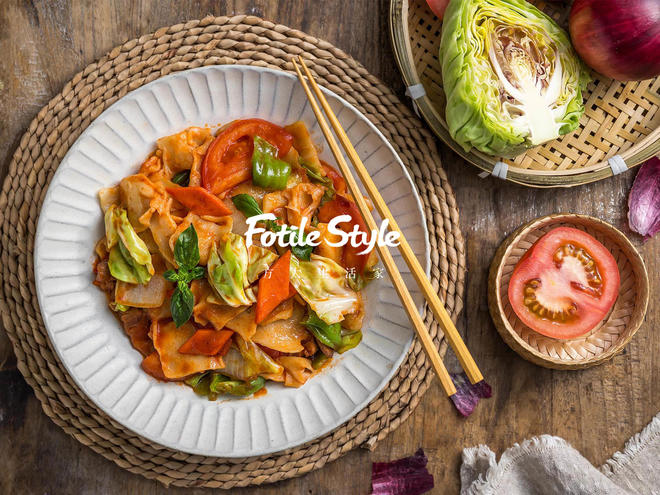
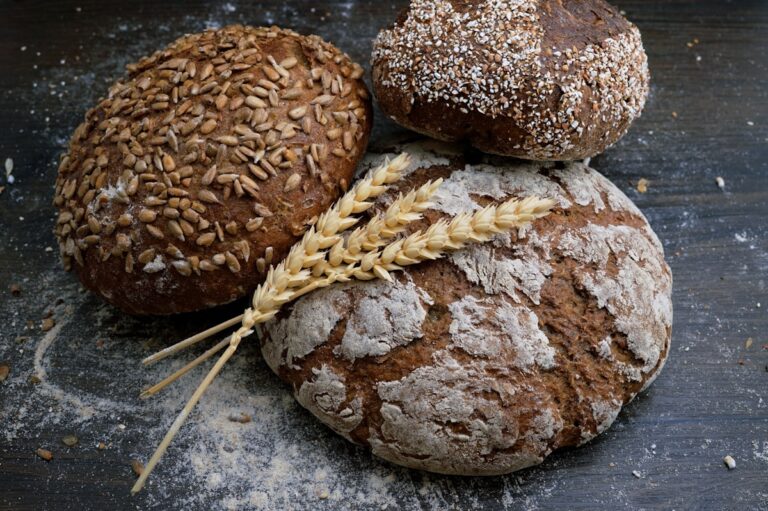
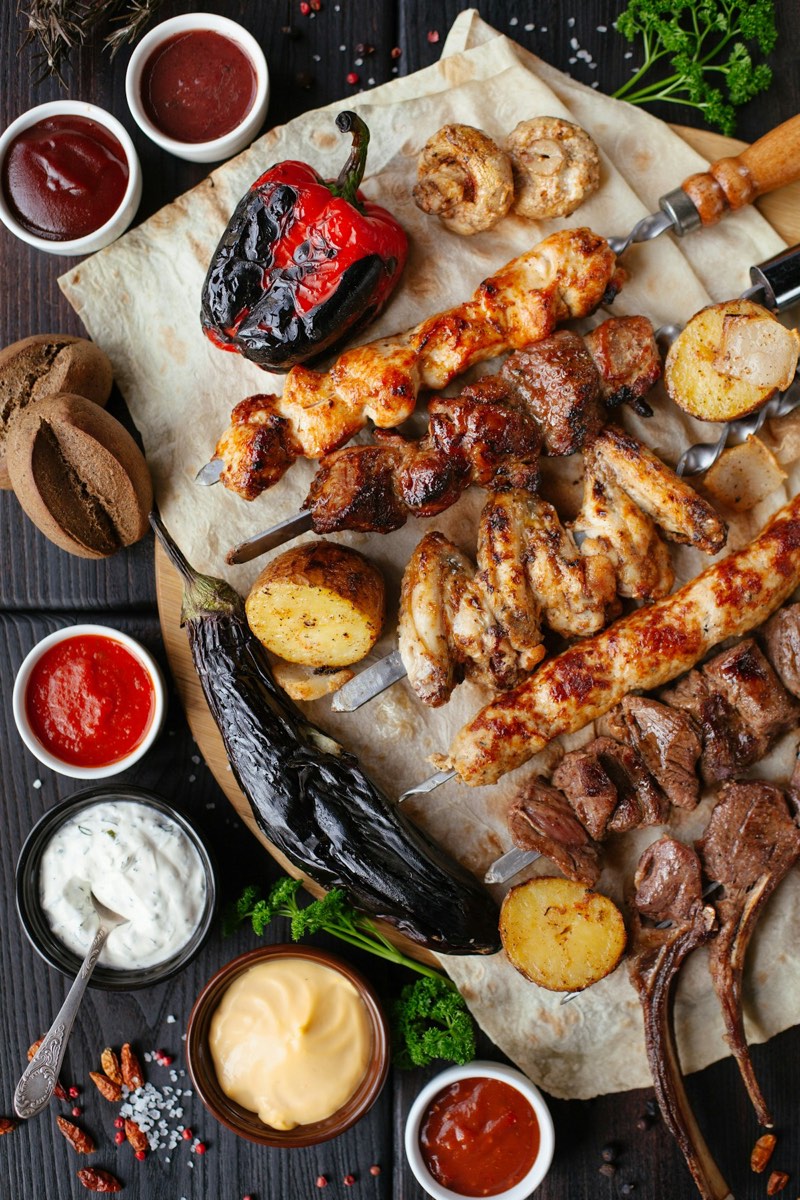
Start with samsa, the baked lamb turnovers that come out of a tandoor hot enough to scorch the crust black in places. Eat them straight from the oven and accept the drip. Then the hand-pulled laghman, which is the dish locals order when they want something hot and cheap at midday. Add laghman in every form the kitchen does, because the pull is a performance and the width changes the whole mouthfeel. Skewers next, and here the local version is fatter and softer than the dry street style people expect; see the kawap guide for the difference. Then polo, the pilaf rice, which in Kashgar is moist and barely sweetened, served in a wide shallow bowl with the raisins and carrot nestled underneath. After that, a bowl of lagman-style hand-pulled noodles with the thick belt cut, the local naan still warm from the back of the oven, and a whole roast if a table can be gathered.
Where the Meals Actually Happen
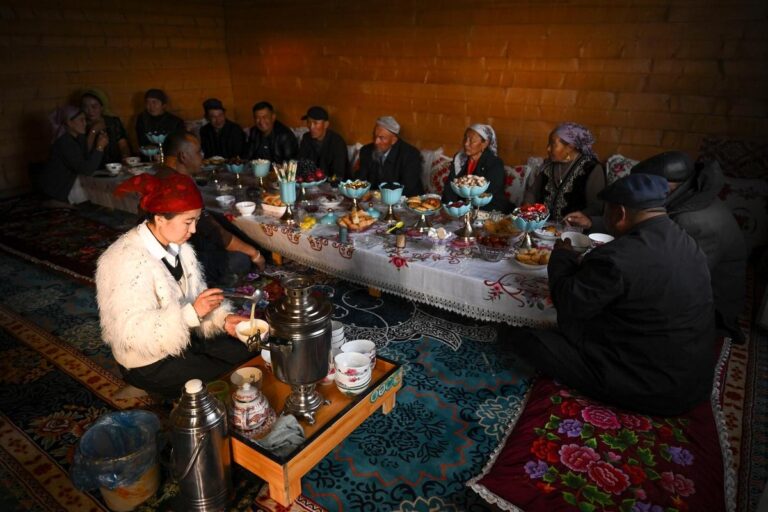
Three settings cover most of it. The old city lanes, where the households cook for themselves and a few rooms open to strangers. The bazaar food rows, which are fast, loud, and the cheapest. And the small restaurants on the main streets that do a set menu of four or five dishes and nothing else, which is where you will eat the best polo of your trip.
The Sunday bazaar is the famous one and the food is good, but go on a weekday too if you can. On the Sunday the place belongs to the livestock trade and the eating is crowded and chaotic in the most satisfying way.
Timing Your Appetite
Lunch runs late by European standards and the good tables fill from about one. Breakfast is the underrated meal: a bowl of savoury nai cha with a warm flat bread is the standard start and sets you up for a day of walking. Dinner starts late and goes late, and if a restaurant is still full at nine, it is full for a reason.
Friday matters. Whole roasts and polo come out of the ovens for the holiday, and the markets are busier and the good stalls run out earlier. If your Kashgar day lands on a Friday, plan the expensive meal for the middle of the day rather than the evening.
Ordering Without a Language
Pointing works, and so does writing the characters for the dish on your phone and showing it. A short phrase list carries you through a week; the Uyghur phrases guide has the ones that get a reaction. Two universal moves also help: watch what the table next to you ordered, and ask the person serving what the kitchen is good at today rather than reading the sign.
What the Food Costs
Street plates run a few yuan. A bowl of noodles with meat is well under twenty. A sit-down meal with rice, a meat dish, bread and tea for one comes to less than the cheapest Western café meal you can find at home, which takes some getting used to and makes people overstay. If you are budgeting a whole trip, food in Kashgar is not the constraint on anything.
For how to carry cash for cash-only corners, the halal food guide covers the wider habits, and the food safety tips piece covers what to watch for on raw and cooked food in the heat.
Two Days Is the Minimum
One day gets you the bazaar and a decent lunch. Two days gets you into the lanes, a second meal somewhere quieter, and the chance to go back to a place you liked on the first day, which is the real way to eat in a city like this. Three days is comfortable, and the third morning is usually when you find the stall nobody told you about.
It is also the best place in the region to base a food day trip from. The fruit and melon guide covers the villages in the oasis where the markets are smaller and the produce is the same.