Xinjiang Naan: The Flatbread That Runs Through Every Uyghur Meal
Xinjiang naan is the flatbread at the heart of every Uyghur meal. Learn its types, how it is baked in the tandoor, and where to find the best loaf.


Xinjiang naan is the flatbread at the heart of every Uyghur meal. Learn its types, how it is baked in the tandoor, and where to find the best loaf.

Naan is just the start. Meet girde, samsa, pide and other Xinjiang oven breads, where to buy them fresh, and how to eat them like a local.

Beyond milk tea: Xinjiang’s brick tea, herbal blends, and the hospitality ritual. Learn the brews, the serving custom, and where travelers can experience it.

Xinjiang manti are large steamed Uyghur dumplings with spiced lamb and onion. Where to eat them, how they differ from baozi, and what to pay in 2026.

Xinjiang’s dried fruit and nuts are among the best in Asia. Learn what to buy, fair prices, how to judge freshness, and how to pack it home safely.

Ximei is the European plum that took over the orchards of Aksu and Kucha: eaten fresh in summer, dried into prunes the rest of the year. When the season runs, how locals eat them, and how to buy the right kind.

Xinjiang peaches — especially the flat pantao of Shihezi — are exceptionally sweet and juicy. Learn the season, varieties, and where to buy the best.

Xinjiang figs from Turpan and Artux are small, jammy, and unlike supermarket imports. Learn the season, how to eat them, and where to buy the best.
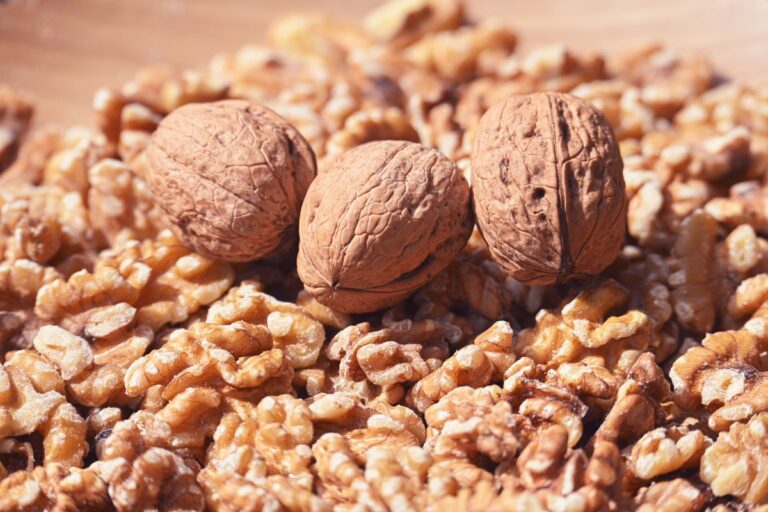
In a Hotan bazaar I watched a man crank a small steel press by hand while the smell of toasted walnuts filled the air, then poured pale gold oil into a bottle. Cold-pressed walnut oil is the staple fat of the southern oases. How it is made and how to buy a real bottle.
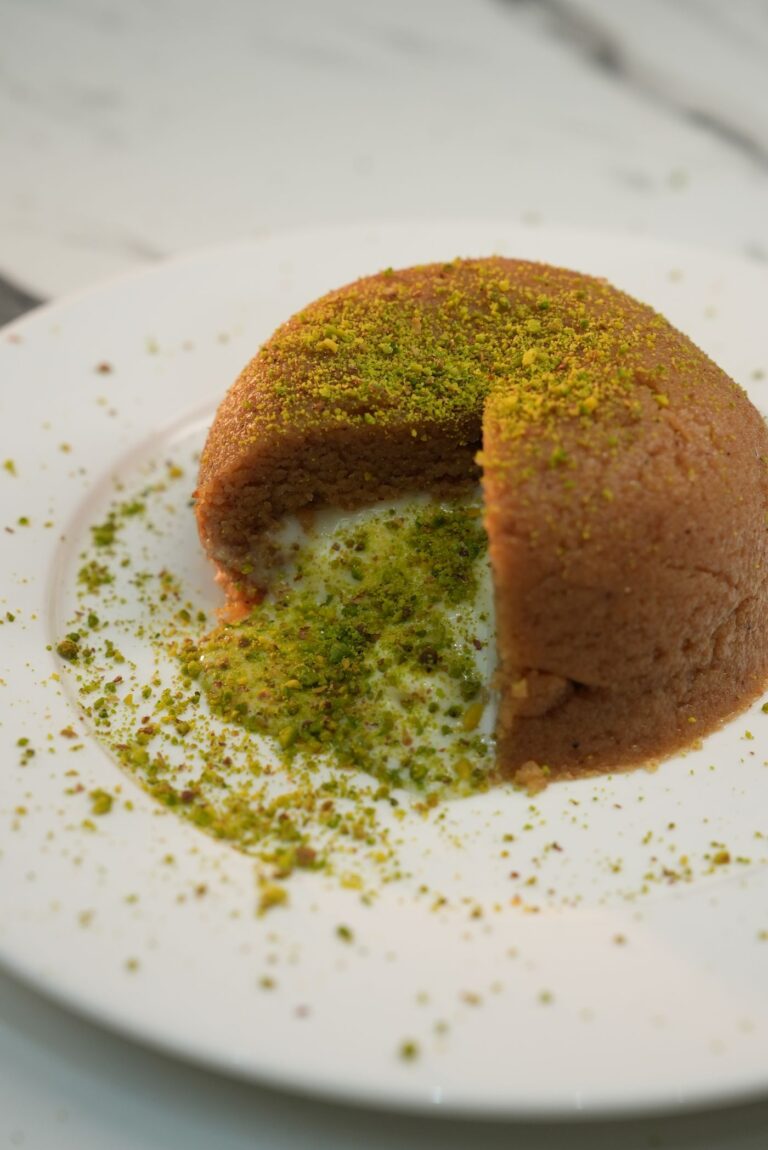
Xinjiang’s sweet tradition is its own: pistachio-and-walnut halva sliced from a glossy slab, plus nawat sugar and nut sweets sold by weight. What each one is, how to judge quality, and which ones survive a flight home.