Winter Self-Driving in Xinjiang: Snow Tires, Chains & Closed Mountain Passes
Xinjiang in winter is spectacular, but driving it is a different discipline from the summer. Mountain passes close, temperatures drop below -20°C in the north, and a sudden blizzard can strand a careless driver for a day. With the right tires, chains, and route planning, though, winter self-driving opens up empty roads and snowy scenery you will have almost entirely to yourself. This is the cold-season driving brief.
Last updated: July 15, 2026 · Written by Karl Huang, a Xinjiang travel specialist who has spent time across the region. Practical details are cross-checked against official tourism, transport, and border-regulation sources.
Why people come back
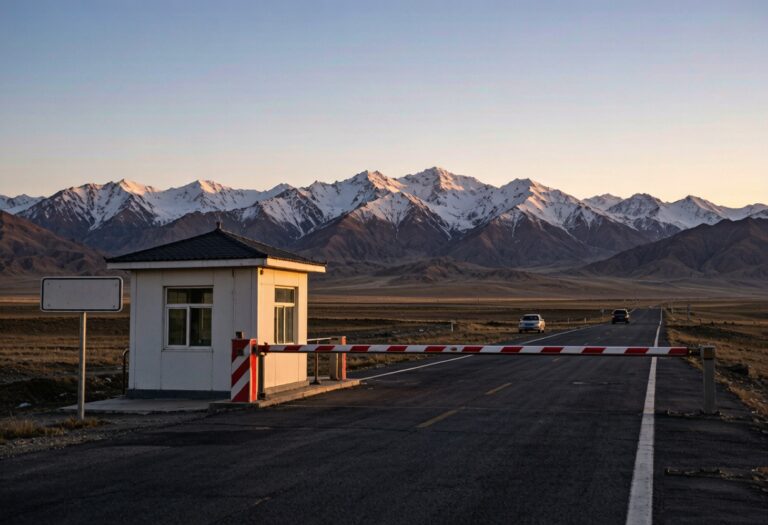
The key fact: the high alpine roads shut. The Duku Highway (G217 Dushanzi-Kuqa) closes from late autumn to June. Many passes into the Kanas and Hemu areas suspend shuttle service. The southern Tarim highways and the Turpan-Kashgar corridor stay open year-round and are the backbone of any winter drive. Plan a south-and-basin route, and treat the north as a destination you reach by train or flight, not a through-drive.
Getting Ready (the Car)
Winter tires are essential north of the Tian Shan and strongly advised everywhere from November to March; many mountain checkpoints require them and will turn back summer tires after the first snow. Carry chains for ice, a full tank, antifreeze rated for the cold, and a scraper. A 4WD helps on unplowed side roads but is not a substitute for tires. Rental companies in Urumqi can fit winter tires on request, best arranged before pickup.
Best Time and Routes
December through February is deep winter; January is the coldest and the snow-festival season around Altay and Urumqi. The safe scenic winter drives are the Turpan-Kashgar southern loop, the Urumqi-Ili corridor (watch passes), and the Altay access roads for skiing. Always check pass status the morning of travel; closures are posted and can change hourly in storms.
What to Expect on the Road
- Black ice: shaded mountain sections freeze first; brake gently.
- Visibility: blowing snow can drop it to metres; pull over safely if needed.
- Services: some remote gas stations and guesthouses close; fuel often.
- Daylight: short, around 9 hours in December; start early.
Things that smooth the way
Download offline maps; signal fades in the passes. Tell your hotel or a contact your route and ETA. Keep warm layers, water, and a phone power bank in the cabin in case you wait out a closure. If a pass is closed, do not attempt to bypass barriers, it is dangerous and fined. Patience is the winter driver’s main skill here.
Nearby Planning
Pair winter driving with the snow festival in Altay, skiing at Jiangjunshan or Silk Road resort, and the frozen-boardwalk walks at Kanas (when open). For a warmer alternative, the southern cities stay mild and fully drivable all winter.
The durable bits
Winter self-driving in Xinjiang rewards preparation with solitude and scenery that summer crowds never see. Respect the closures, fit the right tires, and keep the tank and the patience full, and you will cross the region safely through its quietest, most beautiful season. It is demanding, yes, but for confident cold-weather drivers, few roads on earth are as quietly magnificent.
The Car, Winterized
Winter tires are essential north of the Tian Shan and strongly advised everywhere from November to March; many mountain checkpoints require them and will turn back summer tires after the first snow. Carry chains for ice, a full tank, antifreeze rated for the cold, and a scraper. A 4WD helps on unplowed side roads but is no substitute for tires. Rental companies in Urumqi can fit winter tires on request – arrange it before pickup.
Routes That Stay Open
The safe scenic winter drives are the Turpan-Kashgar southern loop, the Urumqi-Ili corridor (watch the passes), and the Altay access roads for skiing. The Duku Highway closes from late autumn to June, and many passes into Kanas and Hemu suspend shuttle service – so plan a south-and-basin route and treat the north as a destination you reach by train or flight. Always check pass status the morning of travel.
On the Road
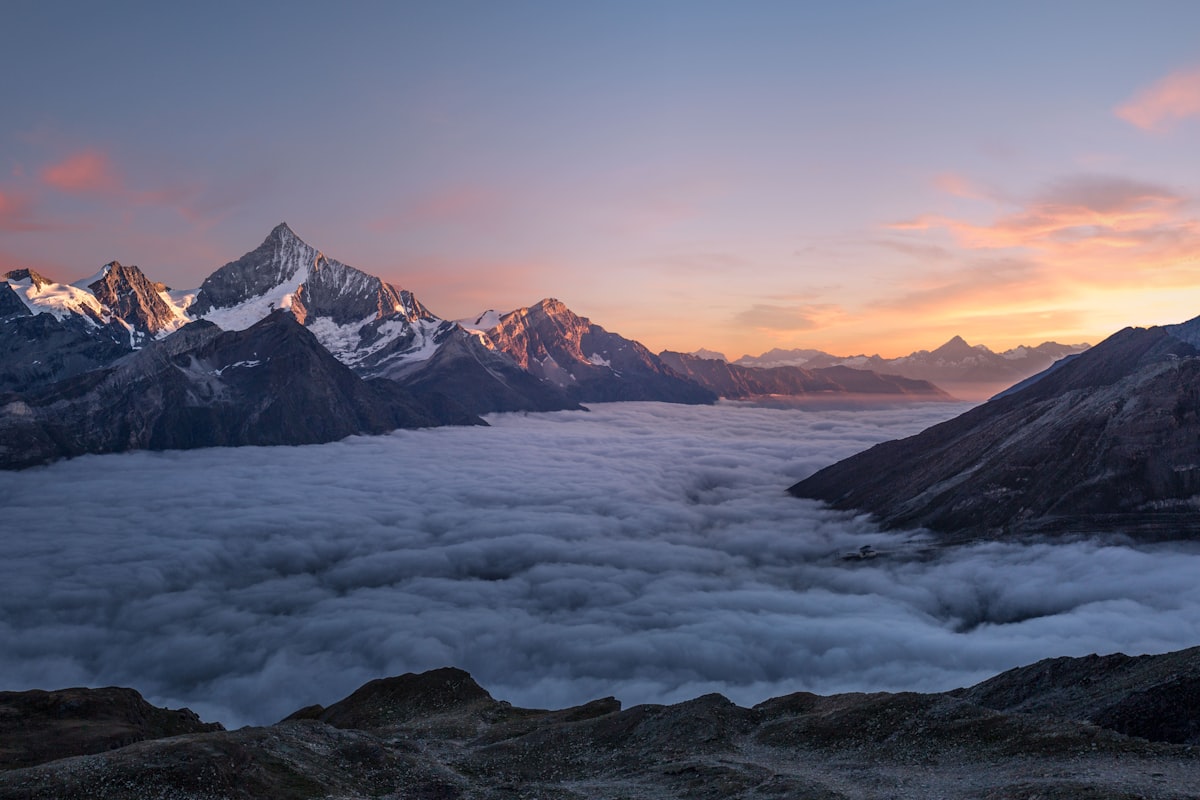
Black ice forms first on shaded mountain sections – brake gently. Blowing snow can drop visibility to meters; pull over safely if needed. Some remote gas stations and guesthouses close in deep winter, so keep the tank full and don’t count on the last fuel stop. The reward is empty roads and snowy scenery you’ll have almost entirely to yourself, with the Tianshan Mountains rising white behind you.