Best Time to Visit Xinjiang: When Each Region is Actually Worth Visiting
One of the most common questions from travelers planning a trip to Xinjiang is: “When is the best time to visit?” The answer, like most things in travel, is: it depends.
Last updated: July 15, 2026 · Written by Karl Huang, a Xinjiang travel specialist who has spent time across the region. Practical details are cross-checked against official tourism, transport, and border-regulation sources.
| Best time | By region: north in autumn, south in spring/autumn, avoid Turpan’s summer heat. |
|---|---|
| How long | 7–15 days to cover one or two regions well. |
| Difficulty | Moderate — some areas need permits or long drives. |
| Cost level | Mid-range; autumn peak costs more. |
| Region tip | Northern Xinjiang shines Sep–Oct; Southern Silk Road is spring–autumn. |
| Don’t miss | Golden autumn (Sep–Oct) for most of the region. |
Xinjiang is massive — it covers 1.66 million square kilometers (640,000 square miles), which is larger than many countries. It has eight distinct climate zones, and the best time to visit varies dramatically depending on which part of Xinjiang you are going to, what you want to see, and what activities you plan to do.
This guide breaks down what to expect in each season, the pros and cons of visiting at different times of year, and my personal recommendations for the absolute best windows for different types of trips.
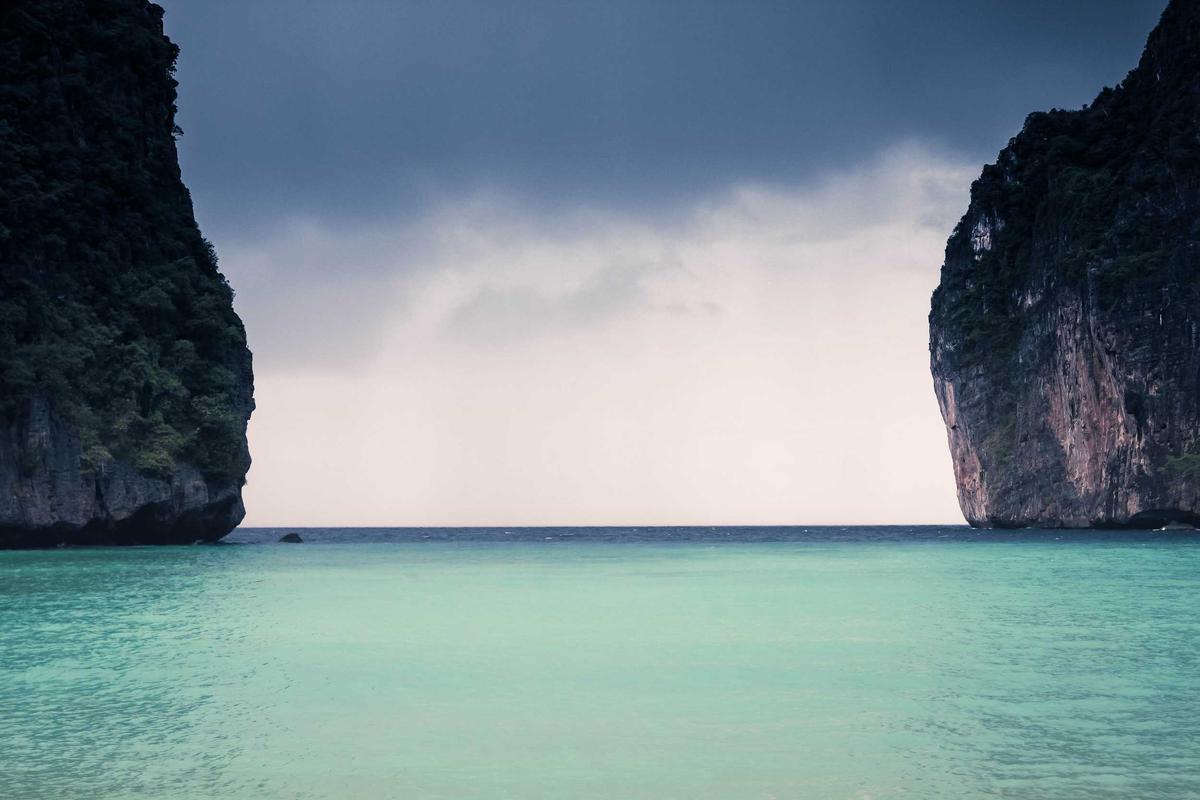
Spring in Xinjiang (March to May)
Weather
Spring in Xinjiang is short and unpredictable. In March, much of the region is still cold and brown. By late April and May, temperatures warm up rapidly, and the landscape turns green.
Average temperatures:
- March: -5°C to 10°C (23°F to 50°F)
- April: 5°C to 20°C (41°F to 68°F)
- May: 10°C to 25°C (50°F to 77°F)
Pros of Visiting in Spring
- Fewer tourists: Spring is the shoulder season. You will encounter far fewer tour groups.
- Lower prices: Hotels and flights are cheaper than in peak summer.
- Apricot blossoms: In April and May, the apricot orchards in Kashgar and Hotan burst into bloom — a spectacular sight.
Cons of Visiting in Spring
- Unpredictable weather: Sandstorms are common in southern Xinjiang in spring.
- Some high-altitude roads still closed: The Duku Highway usually does not open until June.
- Not ideal for hiking: Trails may still be snow-covered.
Summer in Xinjiang (June to August)
Weather
Summer is the peak tourist season in Xinjiang. The weather is warm to hot in the day, but nights are pleasantly cool, especially in northern Xinjiang.
Average temperatures:
- June: 15°C to 30°C (59°F to 86°F)
- July: 20°C to 35°C (68°F to 95°F)
- August: 18°C to 33°C (64°F to 91°F)
Pros of Visiting in Summer
- All roads and passes open: The Duku Highway, the Karakoram Highway, and all high-altitude passes are open.
- Best for outdoor activities: Hiking, camping, and horseback riding are all possible.
- Festivals: The Corban Festival (Eid al-Adha) usually falls in summer, with celebrations across the region.
- Long daylight hours: In June and July, the sun does not set until 10 PM in some parts of Xinjiang.
Cons of Visiting in Summer
- Crowds: This is the peak season. Popular spots like Kanas Lake and Kashgar can be very crowded.
- Higher prices: Hotels and flights are at their most expensive.
- Heat in southern Xinjiang: Turpan and Hotan can be scorching (40°C+ / 104°F+).

Autumn in Xinjiang (September to November)
Weather
Autumn is widely considered the best season to visit Xinjiang. The weather is pleasant, the crowds have thinned, and the landscapes are at their most colorful.
Average temperatures:
- September: 10°C to 25°C (50°F to 77°F)
- October: 0°C to 15°C (32°F to 59°F)
- November: -10°C to 5°C (14°F to 41°F)
Pros of Visiting in Autumn
- Stunning fall colors: The birch forests around Kanas Lake turn brilliant gold in late September and early October.
- Ideal weather: Crisp, clear days and cool nights — perfect for hiking and sightseeing.
- Fewer tourists: The summer crowds have gone, but the weather is still good.
- Fruit season: Grapes, Hami melons, and apples are in season.
Cons of Visiting in Autumn
- Shorter days: Daylight hours decrease rapidly in October and November.
- Cold nights: In October and November, nights can be quite cold, especially in northern Xinjiang.
Winter in Xinjiang (December to February)
Weather
Winter in Xinjiang is long and cold, but also magical. The landscape is transformed into a snowy wonderland, and prices are at their lowest.
Average temperatures:
- December: -20°C to -5°C (-4°F to 23°F)
- January: -25°C to -10°C (-13°F to 14°F)
- February: -20°C to -5°C (-4°F to 23°F)
Pros of Visiting in Winter
- Snowy landscapes: Xinjiang in winter is breathtakingly beautiful, especially the Tianshan Mountains and Kanas Lake.
- Very few tourists: You may have entire attractions to yourself.
- Lowest prices: Hotels and flights are at their cheapest.
- Winter festivals: The Ice and Snow Festival in Urumqi (January-February) features ice sculptures and winter sports.
Cons of Visiting in Winter
- Extreme cold: Temperatures can drop below -30°C (-22°F) in northern Xinjiang.
- Some roads closed: High-altitude passes and the Duku Highway are closed due to snow.
- Limited daylight: In December and January, the sun may only be up for 8-9 hours.
My Personal Recommendations
If I had to pick the absolute best times to visit Xinjiang, they would be:
- For first-time visitors: September to early October. The weather is ideal, the landscapes are stunning, and the crowds have thinned.
- For photographers: Late September to early October. This is when the birch forests around Kanas Lake turn gold.
- For budget travelers: April to May or November. Shoulder seasons with lower prices.
- For winter sports enthusiasts: January to February. For the Ice and Snow Festival and skiing.
Conclusion
There is no single “best time” to visit Xinjiang — each season has its own unique charms and challenges. The key is to match your travel dates to your interests and priorities.
Pro tip: If you are flexible, I highly recommend September. It is the “goldilocks” month — not too hot, not too cold, not too crowded, and with absolutely spectacular scenery.
Is Xinjiang safe to visit?
Yes, Xinjiang is considered very safe for tourists with strong security presence throughout the region.
Do I need a visa?
Foreigners need a valid Chinese visa. No separate Xinjiang permit needed for most tourist areas.
What currency should I bring?
Chinese Yuan (RMB). Credit cards accepted in hotels; carry cash for markets and rural areas.
Can I find English-speaking guides?
Available in major tourist areas through hotels or travel agencies. Book in advance for best results.