The Xinjiang Food Glossary: 20 Dishes and Words to Order Like a Local
Xinjiang’s menu speaks Uyghur, Kazakh, and Mandarin at once, and a few words unlock most of it. This glossary covers the dishes you’ll meet and the terms that get you fed — so you can point, order, and eat like you’ve been here before. Keep it on your phone; the night market moves fast.
Last updated: July 15, 2026 · Written by Karl Huang, a Xinjiang travel specialist who has spent time across the region. Practical details are cross-checked against official tourism, transport, and border-regulation sources.
The core dishes first.
The Dishes
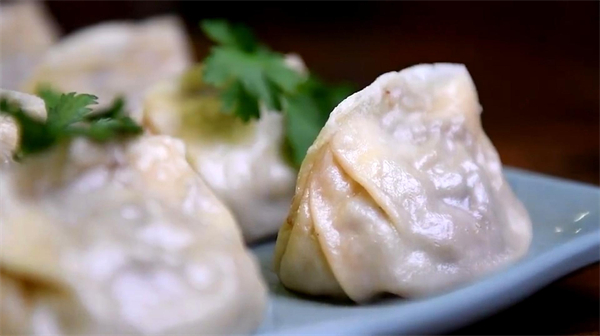
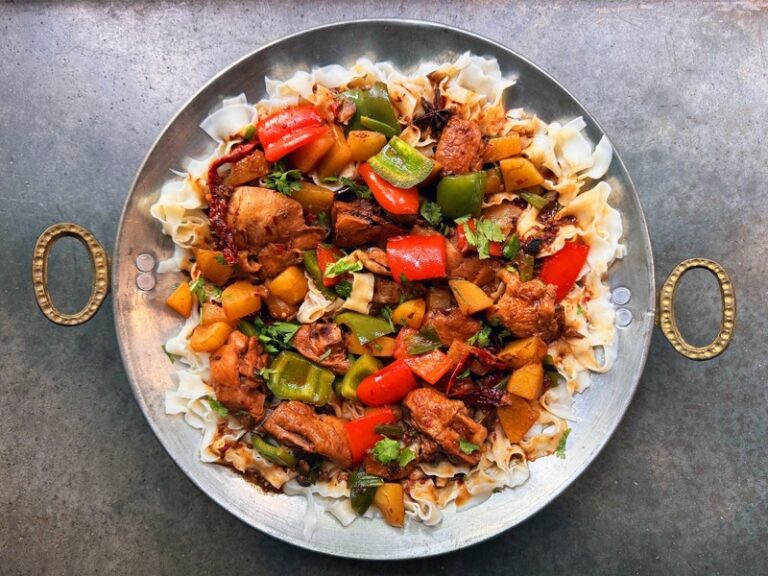
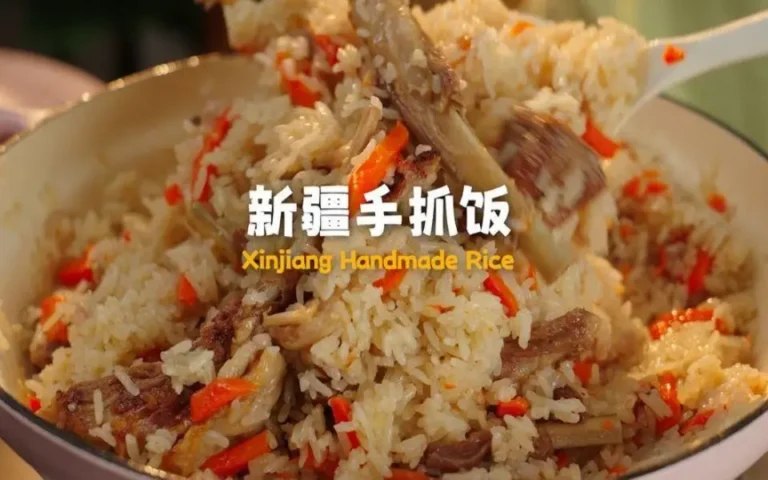
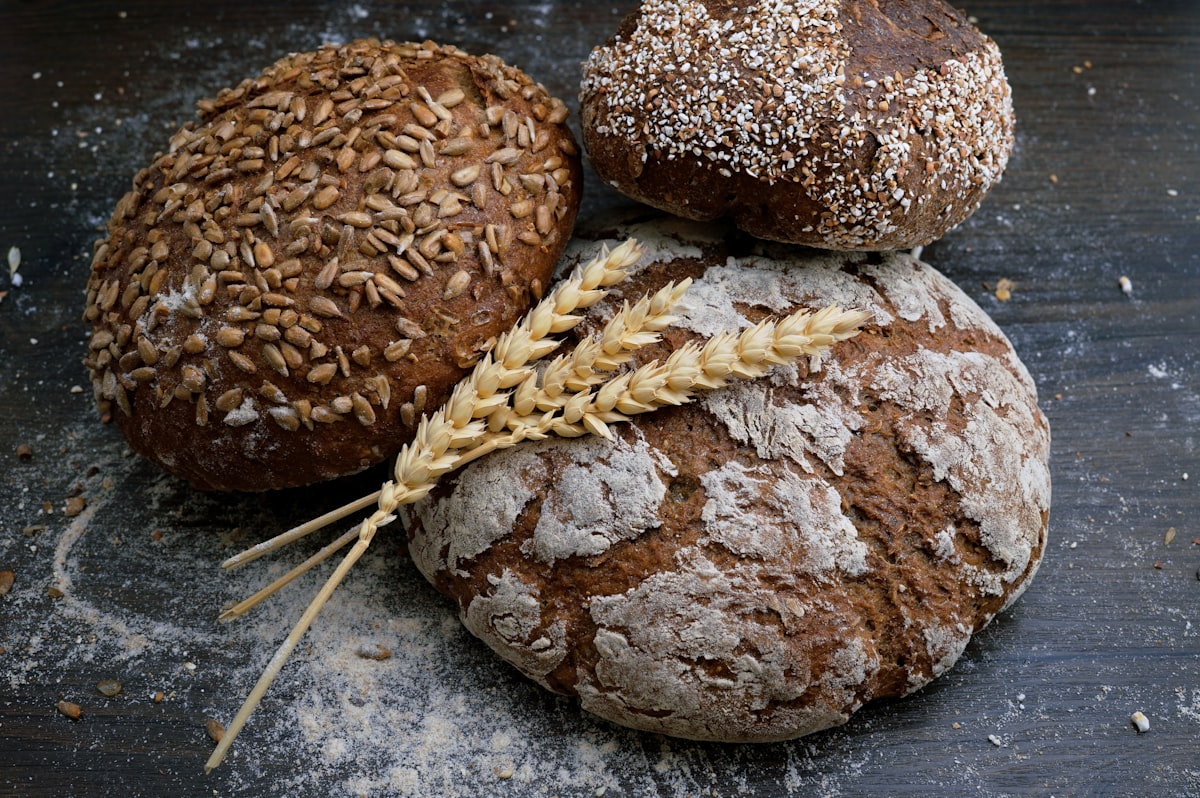
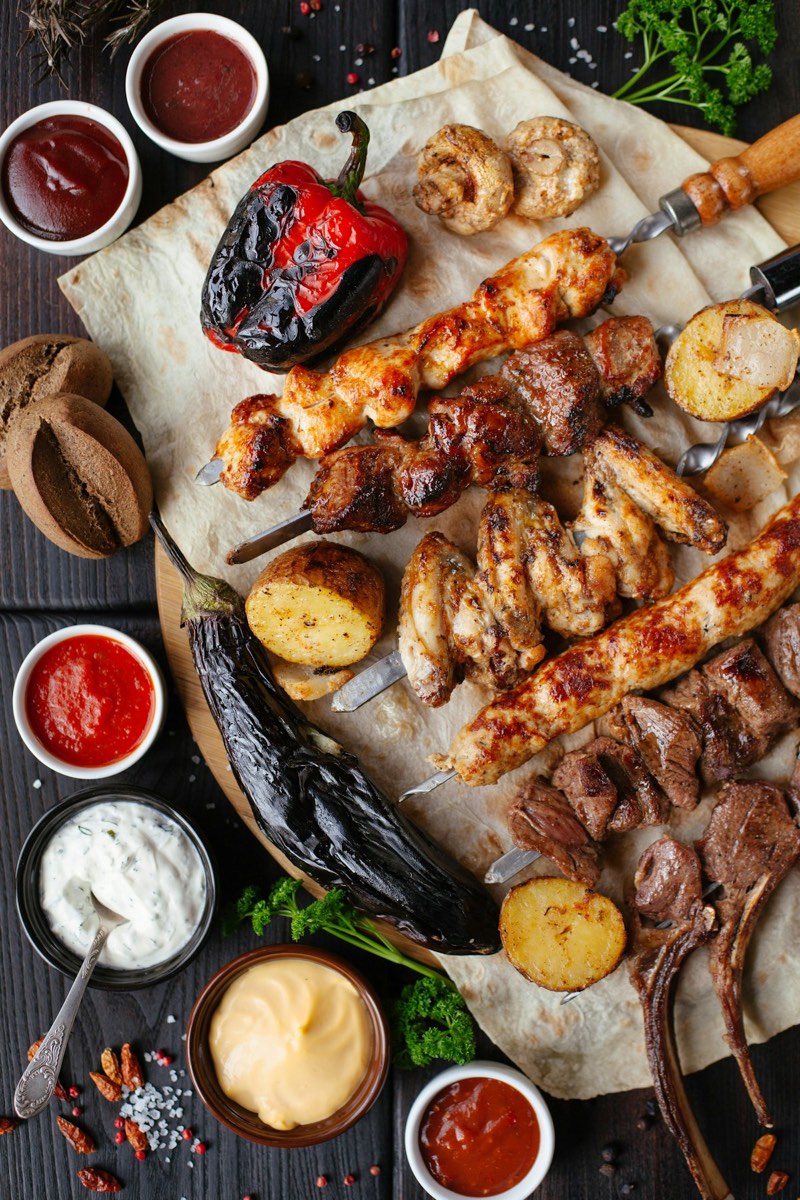
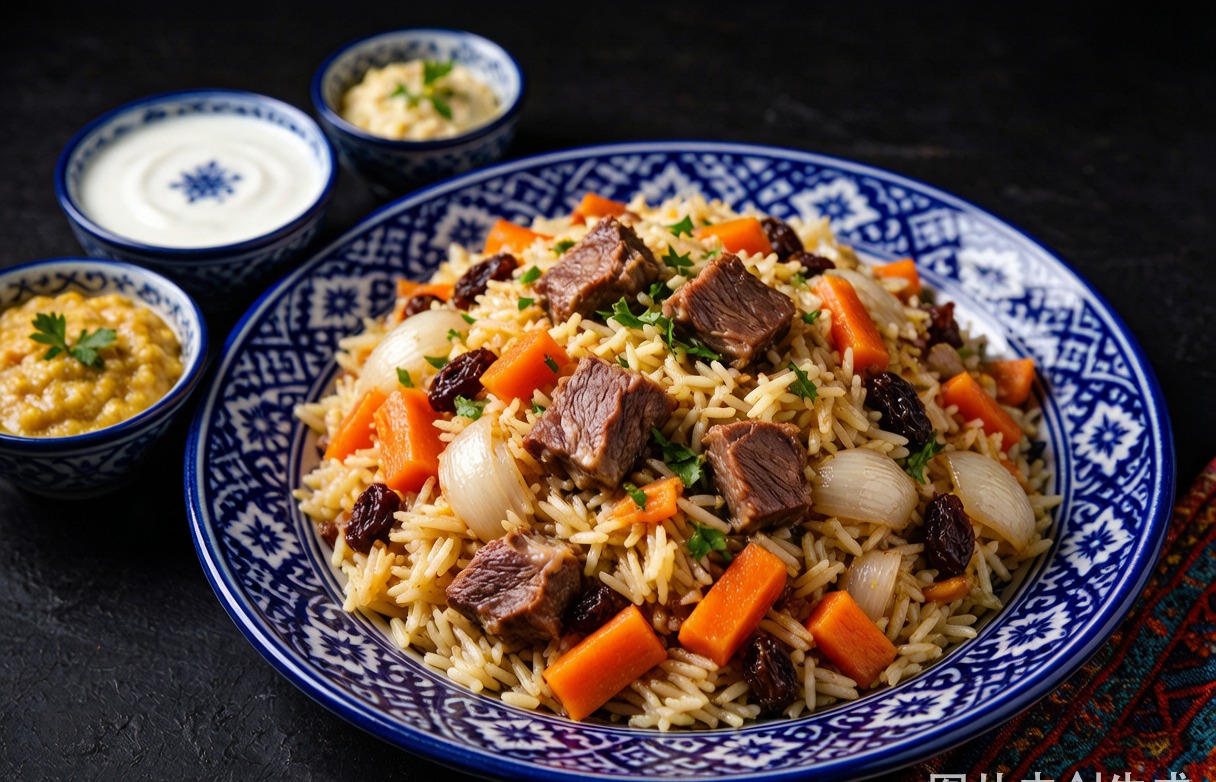
Kawap (烤串): lamb skewers, the street staple. Polo (抓饭): hand-grabbed rice pilaf with lamb and carrot. Naan (馕): the round tandir bread. Laghman (拉条子): hand-pulled noodles in meat-vegetable sauce. Chaomianpian (炒面片): stir-fried torn noodle pieces. Samsa (烤包子): baked lamb buns. Da pan ji (大盘鸡): big-plate chicken with potatoes and noodles. Sanzi (馓子): fried dough twists. Pitimanta: stuffed naan. Ququ (曲曲): Uyghur wonton soup.
The Words That Feed You
La (辣): spicy — ask for ‘la’ more, ‘bu la’ none. Suuzsiz: without meat (for lighter orders). Chay (茶): tea — ‘suyuq chay’ salty milk tea, ‘shirin chay’ sweet. Tandir: the clay oven. Yagh: oil/fat. Köz (köz): grilled over coals. Bir: one; ikki: two — for counting skewers. Ash: a cooked meal/noodles. Meva: fruit. Learn a handful and the menu stops being a mystery.
How to Use It
At a grill: point at the meat, hold up fingers, say ‘la’ or ‘bu la.’ At a noodle house: ‘laghman, suuzsiz’ for meat-free. At a bakery: point at the naan, smile. Most vendors read the gesture and the few words; the rest is the universal language of hungry and happy. This glossary is the difference between ordering by luck and eating what you meant — and in Xinjiang, what you meant is usually delicious.
The Takeaway
Ten words cover ninety percent of the table. Kawap, polo, naan, laghman, la/bu la, chay, bir/ikki — memorize those and you’ll eat like a regular from night one. The rest is exploration, and the region rewards it.
More Dishes to Know
Beyond the core ten, a few more terms unlock the table: ququ (曲曲) is Uyghur wonton soup; gosh is meat; sut is milk. The grill vocabulary matters most – kawap means skewer, and koz means grilled over coals. At a lamb skewer stall, the Xinjiang lamb skewers (kawap) come by the dozen; point and hold up fingers. A bowl of Xinjiang Da Pan Ji (big-plate chicken) with noodles is the communal centerpiece, while polo and naan round out any order.
How it is actually eaten
If you are travelling solo and the thought of a room full of families bothers you, the counter seats at the small places are exactly the right answer. Eating alone here is a quiet business and the kitchen knows it. Bread goes down first, tea arrives without being asked for, and the main dish comes when the people eating together are already sitting properly. In The Xinjiang Food Glossary the meal is a long one, not a fast one.
What travels home and what does not
Nuts, dried grapes, an uncut flatbread and vacuum-packed lamb all survive a long-haul flight. Buy the dried fruit in the market rather than at the airport and ask for it packed at the stall. What does not work is anything fried or saucy, which turns in transit, and anything you cannot repeat at home. It is cheaper, the staff wrap it properly, and it spends a week in your bag as the best thing about the trip.
Ordering by Rhythm
At a grill, point at the meat, hold up fingers, say ‘la’ (spicy) or ‘bu la’ (none). At a noodle house, ‘laghman, suuzsiz’ gets a meat-free plate. At a bakery, point at the naan and smile. Most vendors read the gesture and the few words; the rest is the universal language of hungry and happy. Ten words cover ninety percent of the table – memorize kawap, polo, naan, laghman, la/bu la, chay, bir/ikki and you’ll eat like a regular from night one.
Reading a Menu Faster
Once you know the building blocks, the menu stops being a mystery: starch (naan, laghman, polo), protein (kawap, da pan ji, samsa), and the dairy-and-fruit close (yogurt, melon). Learn a handful of words and ordering becomes pointing plus a number. This glossary is the difference between ordering by luck and eating what you meant – and in Xinjiang, what you meant is usually delicious.