Xinjiang Pitimanta (Steamed Buns): Where to Find the Best Ones
Among the many extraordinary dishes that define Xinjiang cuisine, few are as beloved by locals and as surprising to first-time visitors as Pitimanta (薄皮包子, literally “thin-skinned buns”). These delicate steamed buns, filled with a fragrant mixture of minced lamb, onion, and sheep tail fat, represent one of the most refined and satisfying foods in all of Northwest China.
Last updated: July 15, 2026 · Written by Karl Huang, a Xinjiang travel specialist who has spent time across the region. Practical details are cross-checked against official tourism, transport, and border-regulation sources.
Pitimanta are a cornerstone of Uyghur home cooking. They are the kind of dish that Xinjiang families make on weekends, that grandmothers insist on preparing for guests, and that local restaurants steam in towering bamboo baskets from early morning until they sell out. Despite their importance in Xinjiang’s food culture, they remain relatively unknown outside the region — which makes discovering them one of the genuine pleasures of traveling in Xinjiang.
This guide covers everything you need to know about pitimanta: what they are, how they are made, what they taste like, the different ways to eat them, and where to find the best ones during your Xinjiang travels.
What Are Pitimanta?
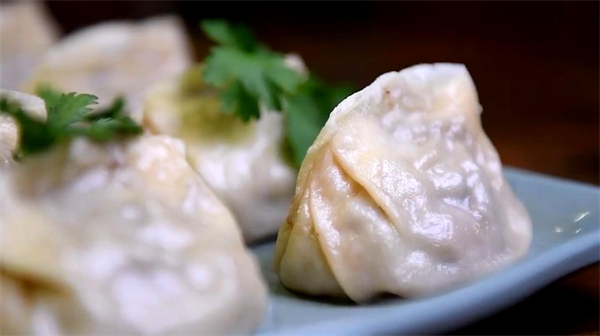
Pitimanta are steamed buns with an extraordinarily thin wheat flour wrapper and a savory filling of minced lamb (or mutton), onion, and a small amount of sheep tail fat. The name literally translates to “thin-skinned bun” — and the name is the point. The wrapper is so thin that after steaming, it becomes slightly translucent, allowing you to see the juices and color of the filling inside.
They are similar in concept to Chinese xiaolongbao (soup dumplings), but with important differences. Pitimanta are larger — typically 6 to 8 centimeters in diameter. The dough is firmer and less delicate. The filling contains no gelatin or soup broth; instead, the juices come naturally from the lamb fat and onions during steaming. And the flavor profile is distinctly Central Asian — dominated by lamb, onion, black pepper, and sometimes a hint of cumin.
The wrapper is pleated at the top into a distinctive shape that some compare to a chicken’s comb (鸡冠花, ji guan hua), giving pitimanta their characteristic and easily recognizable appearance.
The Ingredients: Simple, Honest, and Perfect
The Filling: Lamb, Onion, and Fat
The filling of pitimanta is a masterclass in using few ingredients to maximum effect:
- Minced lamb — Fresh lamb, preferably with some fat content, is hand-chopped (not machine-ground, which changes the texture). The lamb provides the rich, deep flavor that defines pitimanta.
- Onion — A generous amount of onion, finely chopped, is mixed into the lamb. In Xinjiang, the local yellow onions (黄皮洋葱) are preferred for their sweetness and moisture. The onion is not just a flavoring — it is the ingredient that keeps the filling juicy and tender during steaming.
- Sheep tail fat (羊尾油, yang wei you) — A small amount of rendered sheep tail fat is folded into the filling mixture. This is a traditional Uyghur technique that adds richness, a silky mouthfeel, and an authentic depth of flavor. For those unfamiliar with Central Asian cooking, sheep tail fat is a prized ingredient in the region’s cuisine, used sparingly for its extraordinary flavor-enhancing properties.
- Black pepper and salt — The only seasonings. Some cooks add a pinch of cumin, but purists argue that true pitimanta need nothing beyond black pepper and salt. The simplicity is intentional — it lets the quality of the lamb speak for itself.
The Wrapper: A Study in Restraint
The dough is made from all-purpose wheat flour, water, and a little salt. No yeast, no leavening agent, no oil. The key is in the kneading and resting: the dough must be worked until smooth and elastic, then rested for at least 20 to 30 minutes to develop the gluten.
The dough is then rolled into a rope and divided into small portions, each of which is rolled into a thin circle. The skilled pitimanta maker rolls the wrapper thin enough that it is nearly transparent at the center, yet thick enough at the edges to hold the pleats. This balance — thin enough to be delicate, strong enough to hold together during steaming — is the primary skill in pitimanta making.
How Pitimanta Are Made: The Traditional Process
Step 1: Preparing the Filling
Fresh lamb is hand-chopped into small pieces — not a fine paste, but small enough to distribute evenly. The chopped onion is added, along with salt and freshly ground black pepper. The mixture is stirred in one direction for several minutes until it becomes sticky and cohesive. A small amount of melted sheep tail fat is drizzled in and folded through. The filling is set aside or refrigerated briefly to firm up.
Step 2: Making the Dough
Flour and salt are combined, and water is added gradually while mixing. The dough is kneaded vigorously for 10 to 15 minutes until it is very smooth and springs back when pressed. It is then covered and rested for 20 to 30 minutes.
Step 3: Rolling the Wrappers
The rested dough is divided into portions roughly the size of a golf ball. Each portion is flattened with the palm, then rolled into a thin circle using a rolling pin. The traditional technique involves rotating the wrapper as it is rolled, creating a circle that is thin in the center and slightly thicker at the edges — ideal for pleating.
Step 4: Filling and Pleating
A generous spoonful of filling is placed in the center of each wrapper. The edge of the dough is then gathered and pleated, twisting the top into the distinctive chicken-comb shape. This serves both decorative and functional purposes: the pleats seal the bun and create a thicker “handle” at the top that prevents the wrapper from tearing during steaming.
Step 5: Steaming
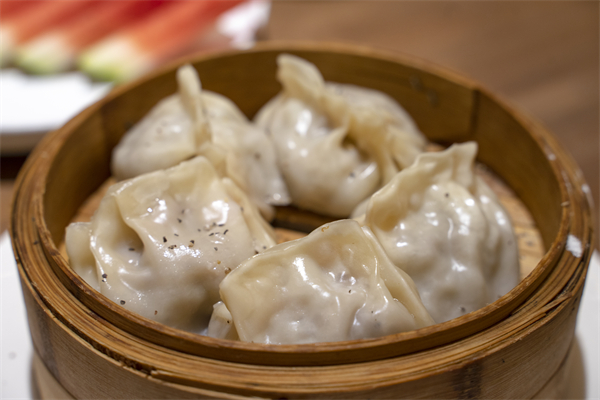
The buns are placed in a bamboo steamer lined with parchment paper or oiled to prevent sticking. They are steamed over rapidly boiling water for approximately 20 minutes. During steaming, the thin wrapper becomes slightly translucent, the lamb fat renders into the filling, and the juices are sealed inside.
The result: a bun that is pillowy soft on the outside, bursting with hot, savory lamb juice on the inside, with a wrapper so thin it barely registers as a separate element from the filling.
How to Eat Pitimanta: Three Traditional Ways
In Xinjiang, pitimanta are enjoyed in three distinct ways, each offering a different experience of the same dish:
1. Plain — The Purist’s Way
The most common way to eat pitimanta is simply as they are, fresh from the steamer. Pick one up with chopsticks (or your hands — locals do both), dip the top in black vinegar or chili sauce if desired, and eat it whole. The first bite releases a burst of hot, savory lamb juice. This is the way most Xinjiang locals eat pitimanta at home.
2. With Naan — The Uyghur Classic
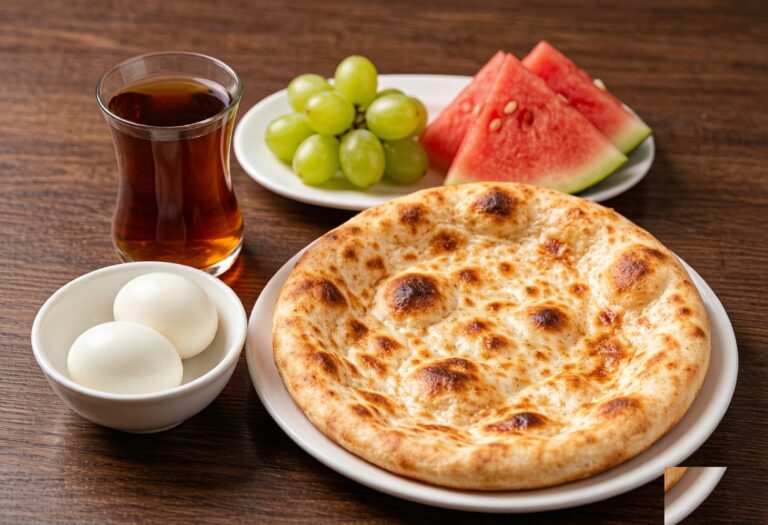
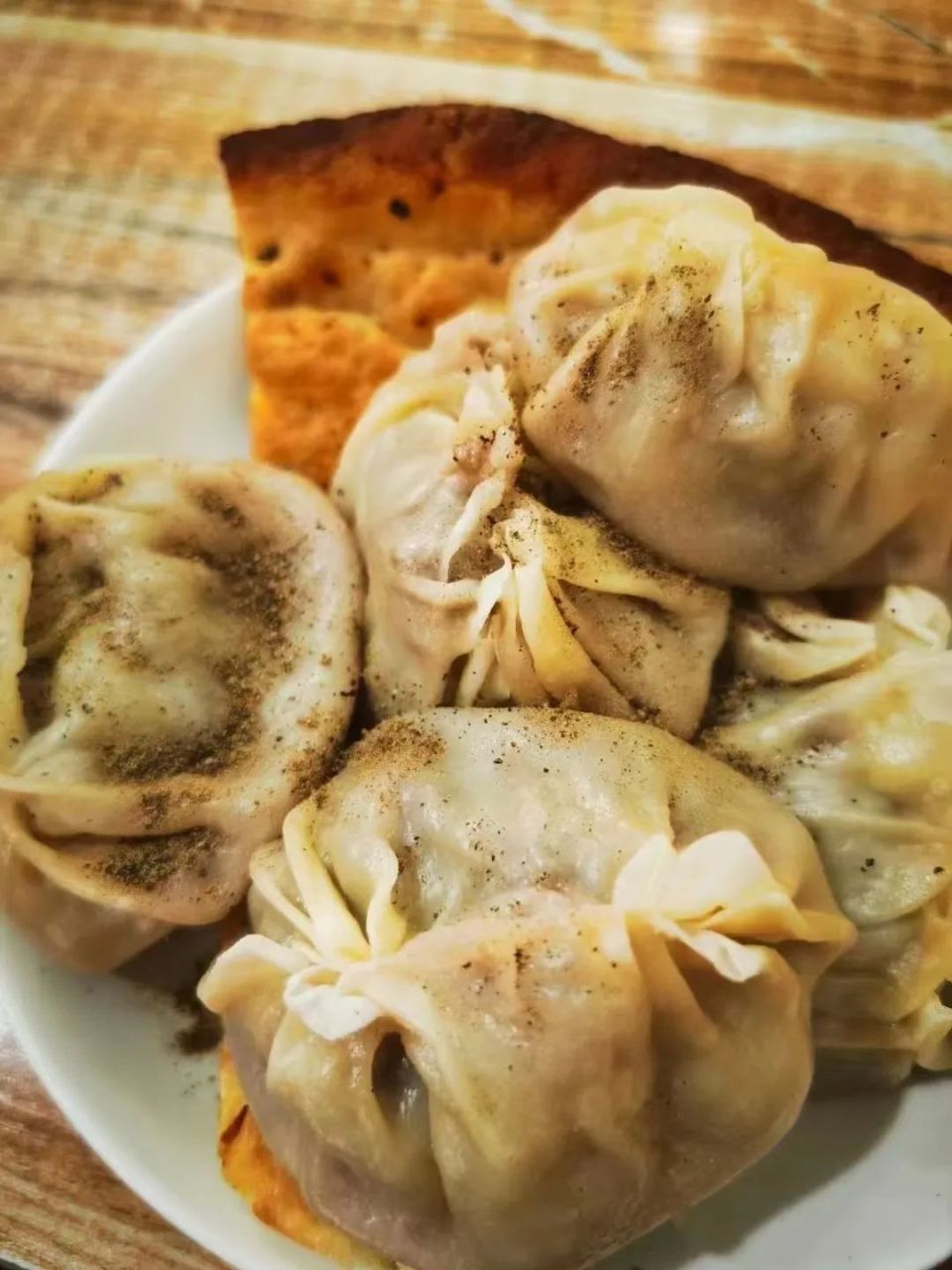
A beloved pairing: pitimanta served alongside fresh baked naan (馕, nang). The idea is to tear off a piece of naan, place a pitimanta on it, and eat them together. The contrast between the soft, juicy bun and the crusty, chewy flatbread is one of those simple food combinations that is somehow greater than the sum of its parts. Many Uyghur families would consider this the most “proper” way to serve pitimanta to guests.
3. With Polo (Rice Pilaf) — The Restaurant Style
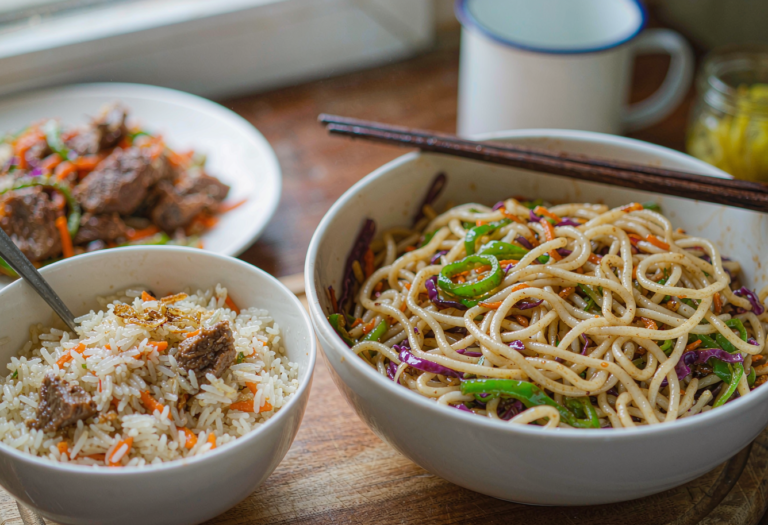
Many Xinjiang restaurants serve pitimanta alongside a bowl of polo (抓饭, zhua fan) — the classic Uyghur rice pilaf cooked with lamb, carrots, and onions. This is a hearty, filling combination that makes a complete meal. The rice absorbs the juices from any pitimanta that are placed on top, creating a flavor-infused bed of rice that locals fight over.
Pitimanta’s Cousin: Kawa Manta (Pumpkin Steamed Buns)
While lamb pitimanta are the most common variety, Xinjiang also produces kawa manta (南瓜包子) — steamed buns filled with pumpkin. The filling is made from sweet, grated pumpkin mixed with a little sugar. Kawa manta are sweet rather than savory, making them a popular breakfast item or afternoon snack. They are often found at the same restaurants and street stalls that sell lamb pitimanta, and trying both varieties in a single sitting is a perfectly acceptable (and highly recommended) practice.
Pitimanta vs. Samsa: Knowing the Difference
Visitors to Xinjiang often encounter both pitimanta and samsa (烤包子), and the two can be confused. They share the same filling concept — lamb, onion, and fat — but the preparation and eating experience are entirely different:
- Pitimanta are steamed — soft, delicate, juicy, and white. The wrapper is thin and pleated.
- Samsa are baked — crispy, golden-brown, and robust. They are cooked in a tandyr (clay oven) similar to naan bread, giving them a distinctive smoky, charred flavor and a flaky crust.
Both are essential Xinjiang experiences. If you only try one, you are missing half the picture. The ideal approach: order both at the same restaurant and compare them side by side.
Where to Find the Best Pitimanta in Xinjiang
Urumqi: The Best Selection
As Xinjiang’s capital and largest city, Urumqi offers the widest range of pitimanta options. Look for them at Uyghur restaurants in the Erdaoqiao area, particularly around the International Grand Bazaar. Many restaurants in this neighborhood specialize in steamed buns and samsa, and you can watch the cooks pleating the buns through open kitchen windows. Prices typically range from 10 to 20 RMB per serving (usually 4 to 6 buns).
Kashgar: The Most Authentic
In Kashgar, pitimanta are a deeply rooted part of daily life. Visit the Old City area, where small family-run eateries steam pitimanta every morning and sell out by early afternoon. The pitimanta here tend to be larger and more generously filled than in Urumqi, reflecting the traditional Kashgar style.
Everywhere Else: Look for the Steam
In virtually every city and town across Xinjiang — from Hotan to Altay, from Turpan to Kuqa — you will find restaurants and street stalls selling pitimanta. The easiest way to spot them: look for the steam rising from bamboo baskets. If a restaurant has tall bamboo steamers stacked by the door, pitimanta are likely inside.
Practical Tips for Travelers
What does pitimanta taste like? The first impression is the tenderness of the wrapper — it yields almost instantly to your bite, releasing a surge of hot, savory lamb juice. The flavor is clean and direct: rich lamb sweetness, the aromatic depth of onion, a gentle warmth from black pepper, and the luxurious mouthfeel of rendered fat. It is not spicy in the chili sense. It is savory, comforting, and deeply satisfying.
How much do they cost? Pitimanta are one of the most affordable delicacies in Xinjiang. A typical serving of 4 to 6 buns costs 10 to 25 RMB ($1.50–3.50 USD), depending on the city and restaurant. This makes them an excellent choice for budget-conscious travelers who want to experience authentic Uyghur cuisine.
When should I eat them? Pitimanta are traditionally a breakfast or lunch food. The best pitimanta are available from early morning through early afternoon. Many restaurants stop making fresh batches by 2 PM, so arrive early for the best selection.
Can I take them to go? Absolutely. Many restaurants offer takeout pitimanta packed in paper bags. They are a popular choice for train and bus journeys across Xinjiang. They reheat reasonably well, though they are always best eaten fresh from the steamer.
Are they suitable for children? Yes — pitimanta are mild, not spicy, and have a soft texture that most children enjoy. They are an excellent introduction to Xinjiang cuisine for young travelers.
Why Pitimanta Matter in Xinjiang’s Food Culture
Pitimanta are more than a dish — they are a window into Uyghur culinary philosophy. The use of just a handful of high-quality ingredients. The emphasis on technique over complexity. The thin wrapper that showcases rather than conceals the filling. These principles — simplicity, quality, and craftsmanship — run through the best of Xinjiang food.
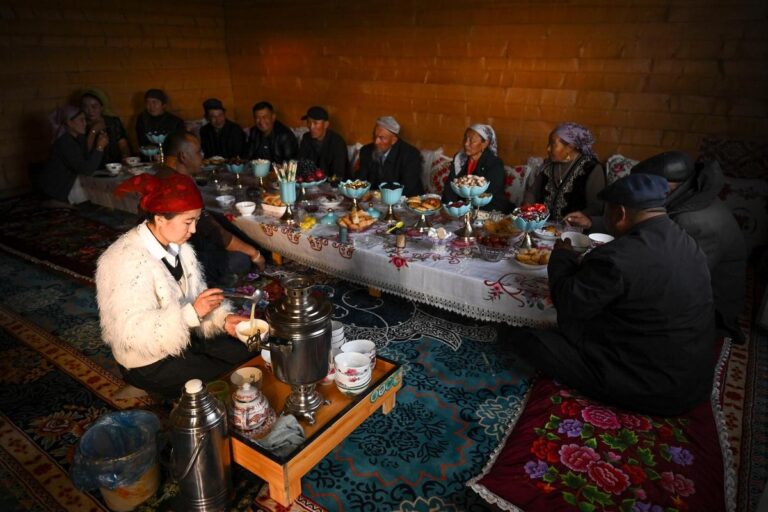
The communal way pitimanta are eaten — baskets placed in the center of the table, shared among family and friends — reflects the warmth and generosity of Uyghur hospitality. Whether you are a guest in a Xinjiang home or a customer in a bustling Urumqi restaurant, being served pitimanta is a sign of welcome.
If you are planning a trip to Xinjiang, make pitimanta one of your must-try foods. Seek out a restaurant with bamboo steamers stacked high and a crowd of locals. Order a basket. Tear off a piece of naan. Take that first bite of the steaming, juice-filled bun — and you will understand why this humble, delicate dish has been cherished in Xinjiang for generations. And while you are exploring Xinjiang’s remarkable food scene, be sure to also try the iconic lamb skewers (kawap) sizzling on street grills, and the hearty, communal Da Pan Ji that brings the whole table together. Together, these dishes tell the story of Xinjiang — a land where food is culture, and every meal is an invitation to belong.
Is Xinjiang safe to visit?
Yes, Xinjiang is considered very safe for tourists with strong security presence throughout the region.
Do I need a visa?
Foreigners need a valid Chinese visa. No separate Xinjiang permit needed for most tourist areas.
What currency should I bring?
Chinese Yuan (RMB). Credit cards accepted in hotels; carry cash for markets and rural areas.
Can I find English-speaking guides?
Available in major tourist areas through hotels or travel agencies. Book in advance for best results.