Xinjiang Istiray: The Cold Wheat Noodles You’ll Crave on a Hot Day
The first time I was handed a bowl of istiray, I expected soup. What arrived was the opposite: a tangle of thin wheat noodles pulled from an ice-cold water bath, dressed in a sharp, garlicky vinegar sauce, and scattered with chopped cilantro and a little crushed chili. It was the middle of July in Turpan, the air was pushing 40°C, and suddenly the heat felt manageable. Istiray — the Uyghur name for cold dressed noodles — is one of the simplest and most refreshing things you can eat in Xinjiang, and almost no foreign visitor has heard of it.
What Exactly Is Istiray?
Istiray (ئىستىراي) is a summer dish built from thin, hand-pulled or machine-cut wheat noodles that are boiled, shocked in cold water, then dressed while still cold. The base sauce is usually a mix of black or white vinegar, crushed raw garlic, salt, and often a spoon of homemade chili oil. Unlike a soup noodle, there is no broth to sip — the noodles are coated, not submerged. The texture is the point: slippery, springy, and bracingly cool against the heat.
You will mostly find it in home kitchens and small Uyghur restaurants across Xinjiang, rather than on the flashy tourist menus. It is a working-person’s dish, eaten quickly at lunch, and it is one of the best ways to understand how Xinjiang cooks use acid and cold to fight the summer.
Why It Works in the Heat
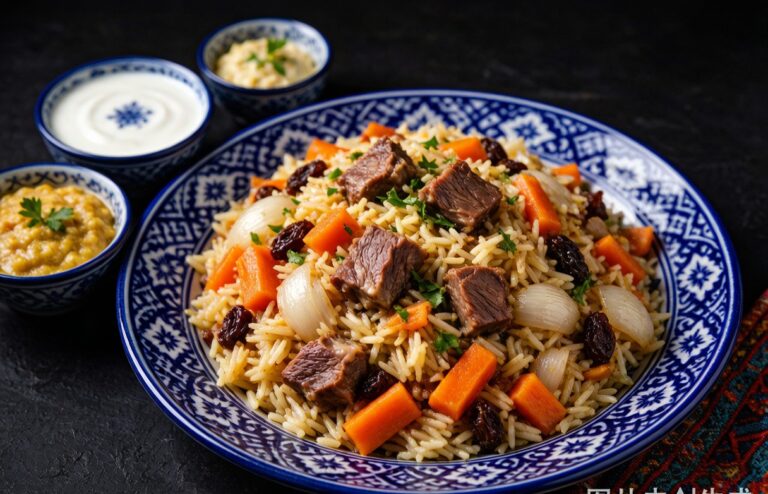
Cold noodles do not sit heavy in the stomach the way a plate of polo or da pan ji does. The vinegar and garlic also act as a mild preservative, which mattered long before refrigeration on the Silk Road. Today it just tastes good — bright, clean, and a little addictive.
Istiray vs. Liangpi: Not the Same Bowl
Travelers often confuse istiray with liangpi, the famous “cold skin” noodles from neighboring Gansu and Shaanxi. They are cousins but distinct. Liangpi is made from a rinsed wheat or rice starch slurry that sets into a chewy sheet, then is cut into ribbons. Istiray uses actual wheat-flour noodles — closer to a thin laghman cut short. Here is the practical comparison:
| Feature | Istiray | Liangpi |
|---|---|---|
| Noodle base | Wheat-flour noodles, thin and round | Starch sheet, cut into flat ribbons |
| Texture | Springy, slippery | Chewy, almost jelly-like |
| Typical dressing | Vinegar + raw garlic + chili oil | Vinegar + sesame paste + chili |
| Where you find it | Uyghur homes, summer stalls | Northwestern Chinese eateries |
| Served | Cold, no broth | Cold, often with a little sauce puddle |
If you want the deeper dive on the starch version, see our guide to Xinjiang cold noodles and liangpi.
Regional Twists You Might Meet
Istiray is not one fixed recipe. Depending on where you are, the bowl changes:
| Region | What changes |
|---|---|
| Turpan | Extra vinegar and more garlic; sometimes a few raisins for sweetness |
| Urumqi | Often topped with a little shredded cucumber or tomato |
| Ili (Yining) | Sometimes dressed with a sour cream-like kaymak spoonful |
| Kashgar | More chili oil, less sweet; cilantro-heavy |
How to Order It
The dish is rarely on a picture menu, so you may need to ask. A safe phrase is “Soğuq öyürmä” (cold noodles) or just point and say “istirai” — most Uyghur chefs will recognize the word. Expect to pay 12–20 RMB for a generous bowl at a local canteen, more at a sit-down restaurant. It is almost always a lunch dish; by dinner the stalls have usually sold out.
Can You Make It at Home?
Yes, and it is closer to “assembly” than “cooking.” Boil any thin wheat noodle (even spaghetti in a pinch), rinse it under cold running water until it stops steaming, then dress it:
A 5-Minute Dressing
Mash 2 cloves of garlic into 2 tablespoons of vinegar, add 1 teaspoon salt, 1 tablespoon chili oil, and a handful of chopped cilantro. Pour over the cold noodles and toss. That is a credible istiray. Add cucumber matchsticks or a soft-boiled egg if you want a fuller bowl.
The key mistake is dressing warm noodles — they go mushy. They must be properly cold first.
Food-Safety Notes for Travelers
Because istiray is served cold, buy it from places with obvious turnover. A stall selling dozens of bowls an hour is safer than a quiet restaurant with a lukewarm pot. If your stomach is sensitive, ask for “az chili” (less chili) the first time — the raw garlic is the bigger shock than the heat for most newcomers.
Questions I get at the travel desk
Is istiray vegetarian?
Plain istiray is vegan by default — noodles, vinegar, garlic, chili oil, and herbs. Just confirm no meat broth was used to cook the noodles if you are strict.
Is it very spicy?
Not by default. The chili oil is usually mild and you can ask for none. The dominant flavors are sour and garlicky, not hot.
Where is the best place to try it?
Small summer noodle stalls in Turpan and Urumqi’s older districts are the most authentic. Ask locals where they eat lunch.
Can I find it in winter?
Rarely. It is a warm-season dish. In winter the same kitchens switch to hot noodle soups and polo.
How is it different from laghman?
Laghman is a hot, saucy belt-noodle dish with meat and vegetables. Istiray is cold, bare, and sauce-light — basically laghman’s summer opposites.
A Short History of Cold Noodles on the Silk Road
Cold dressed noodles are ancient across this part of Asia. Wheat arrived in the Tarim basin thousands of years ago, and the logic of boiling then chilling a portion to eat later in the heat is obvious once you live through a Turpan summer. The Uyghur istiray is one local answer; similar cold-noodle habits run from Xinjiang east through Gansu and Shaanxi and south into Sichuan. What makes the Xinjiang version distinct is the garlic-forward, broth-free dressing and the use of round wheat noodles rather than starch sheets.
A Note on the Garlic
Do not skimp on the garlic. In a properly made istiray the raw garlic is not a background note — it is the backbone. Uyghur cooks often crush it in a mortar with a pinch of salt into a near-paste before whisking in the vinegar, which rounds the bite and keeps it from tasting harsh. I watched a grandmother in Yining do exactly this, then taste, frown, and add one more clove. That instinct — adjust to the noodle, not the recipe — is the whole dish.
What to Drink With It
Cold noodles want something equally cold and a little sweet. A glass of dogh or ayran cuts the garlic beautifully, and in summer many families set out chilled watermelon alongside. Avoid hot tea with istiray; the contrast fights the point of a cold dish. If you want alcohol, a cold beer works better than the usual baijiu.
Why It Belongs on Your Xinjiang Food List
Xinjiang food gets marketed abroad as lamb and naan, but the cold dishes are where daily life actually lives. Istiray, like the tomato-onion-cilantro salad and the various yogurt drinks, is what people eat to keep cool and keep going. Seeking it out takes you off the picture-menu circuit and into the food locals actually choose when no one is performing for tourists.