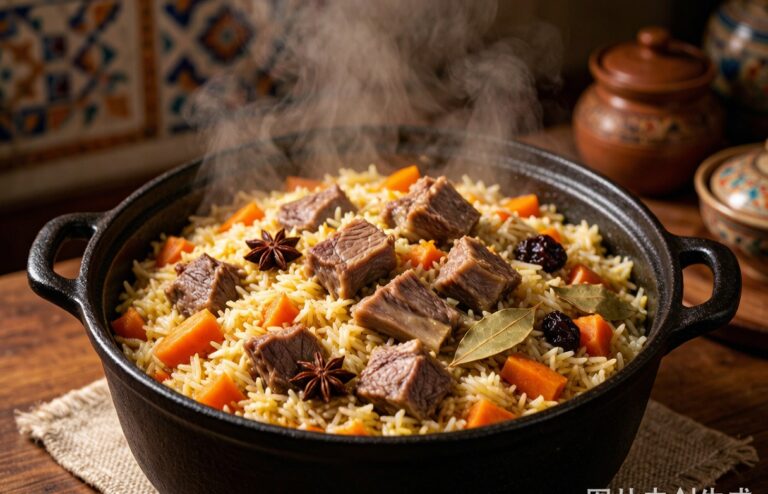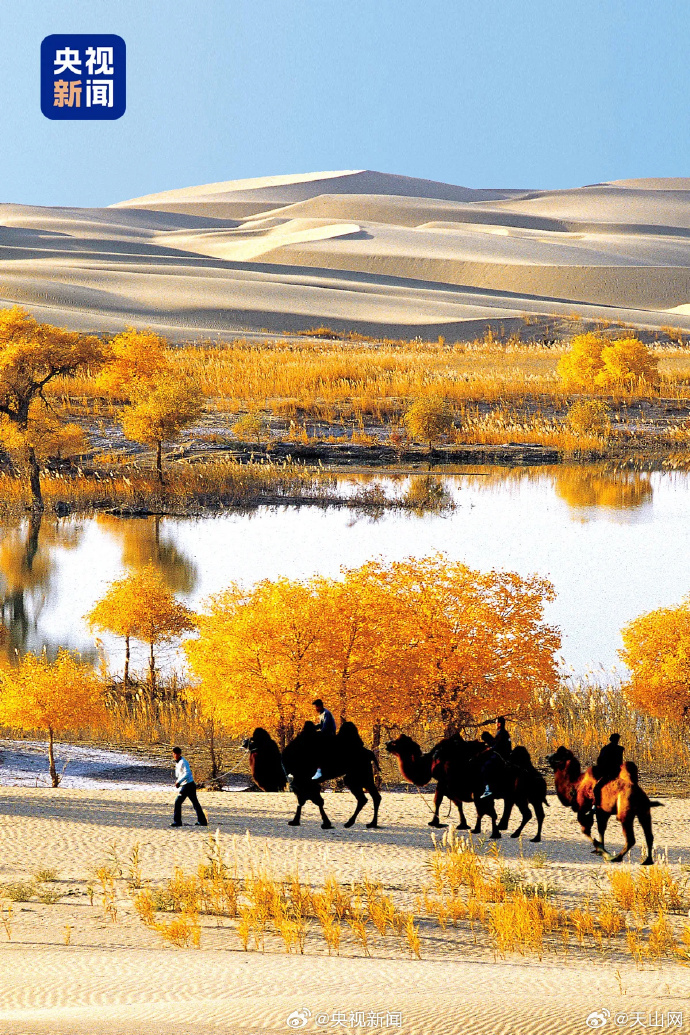
Ordering Food in Xinjiang: Uyghur & Mandarin Phrases for Travelers
The best meal of my trip was the one where I finally stopped pointing and said “shi ge yang rou chuan, bu la” — “ten lamb skewers, not spicy.” The cook laughed, complied, and threw in an extra. A handful of food phrases unlocks better service and fewer surprises in Xinjiang. The food glossary lists dishes; this is the talking part.
The Core Mandarin You’ll Use Daily
Basics
Wo yao… (I want…), duoshao qian? (how much?), jie zhang (bill, please), xie xie (thank you). At a grill: “yang rou chuan” (lamb skewers), “ji kuai qian” (how many RMB?).
Customizing
“Bu la” (not spicy), “sha la” (less spicy), “duo rou” (extra meat), “qing tang” (clear/light broth for la mian), “re yi dian” (hotter). These five sentences cover 90% of tweaks.
Dietary
“Wo chi su” (I eat vegetarian), “bu chi zhurou” (I don’t eat pork — important in halal spots to signal respect), “you mianhua ma?” (does it have peanuts/nuts?). The halal and veg guide stresses the pork line as courtesy, not just diet.
Useful Uyghur Words
Uyghur is widely spoken south of Urumqi. A few go far: rahmet (thank you), yaqshimusiz (hello), non (bread/naan), kowap (kebab — see the kawap guide), laghman (the noodles), chay (tea), süt (milk, as in milk tea).
| Phrase | Language | Meaning | When |
|---|---|---|---|
| Bu la | Mandarin | Not spicy | Any grill |
| Duoshao qian | Mandarin | How much? | Every purchase |
| Bu chi zhurou | Mandarin | No pork | Halal entry |
| Rahmet | Uyghur | Thank you | Always |
| Kowap | Uyghur | Kebab | Ordering grill |
| Non | Uyghur | Bread | Bakery |
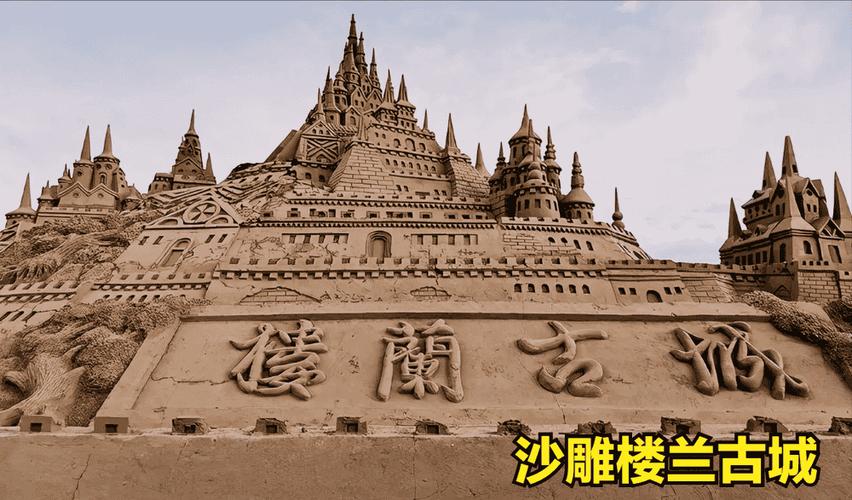
Reading a Menu
Menus are usually Chinese + Uyghur Arabic script. Key characters: 羊肉 (lamb), 牛肉 (beef), 鸡 (chicken, as in dapanji), 面 (noodles), 馕 (naan), 茶 (tea), 素 (vegetable). The glossary has 20 words to memorize; even three helps.
How to order, and what a portion really costs
Card and phone payment both work everywhere in Xinjiang Food Ordering Phrases. Tips are not expected in the small places and are quietly welcome where there is table service, but do not build the visit around it. Order one less than you think, because the rice arrives in a bowl the size of a small basin and the second helping does not need ordering. The number on the board is for one, and one here is enough for a European adult if you share two.
What travels home and what does not
Buy the dried fruit in the market rather than at the airport and ask for it packed at the stall. Nuts, dried grapes, an uncut flatbread and vacuum-packed lamb all survive a long-haul flight. It is cheaper, the staff wrap it properly, and it spends a week in your bag as the best thing about the trip. What does not work is anything fried or saucy, which turns in transit, and anything you cannot repeat at home. More on the other end of that day is in our [[2026-xinjiang-food-guide|2026 Xinjiang Food Guide:A Silk Road…]].
How it is actually eaten
If you are travelling solo and the thought of a room full of families bothers you, the counter seats at the small places are exactly the right answer. Bread goes down first, tea arrives without being asked for, and the main dish comes when the people eating together are already sitting properly. In Xinjiang Food Ordering Phrases the meal is a long one, not a fast one. Eating alone here is a quiet business and the kitchen knows it. Where most people get the logistics wrong is covered in our [[xinjiang-yili-food-guide|Eating in Yili (Ili): The Grassland Cuisine…]].
Survival Script for a Grill
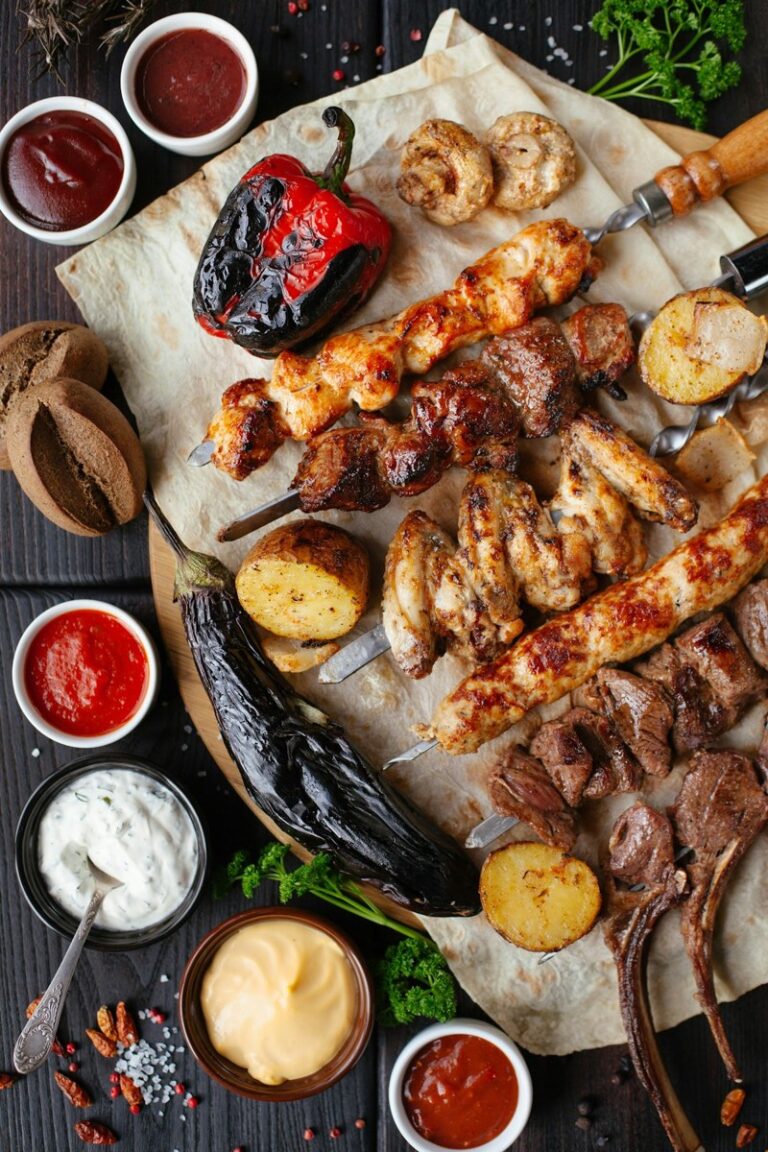
Walk up: “Yang rou chuan, shi ge, bu la. Laghman, yi wan, qing tang.” (Ten lamb skewers, not spicy. One laghman, light broth.) Hand over the phone with translation if stuck — most young cooks read it. The street-food guide and Urumqi map note which stalls have picture menus.
Frequently Asked Questions
Do I need to speak Uyghur?
No. Mandarin works everywhere tourist-facing; Uyghur phrases are a warm bonus that gets smiles, especially in Kashgar and Hotan (guide, guide).
Will they understand “no spicy”?
Usually yes — bu la is known in every grill. For noodle broth, qing tang signals lighter oil too. Write it down if unsure.
Is it rude to use a translation app?
Not at all; cooks appreciate the effort and it prevents wrong orders. Just show the dish name from the glossary if words fail.
What if there’s no menu in English?
Point at what others are eating, or use the dish names from the laghman, polo, and samsa guides — say the pinyin. Picture menus are common at kebab stalls.