Brick Tea and the Compressed-Tea Tradition of the Silk Road
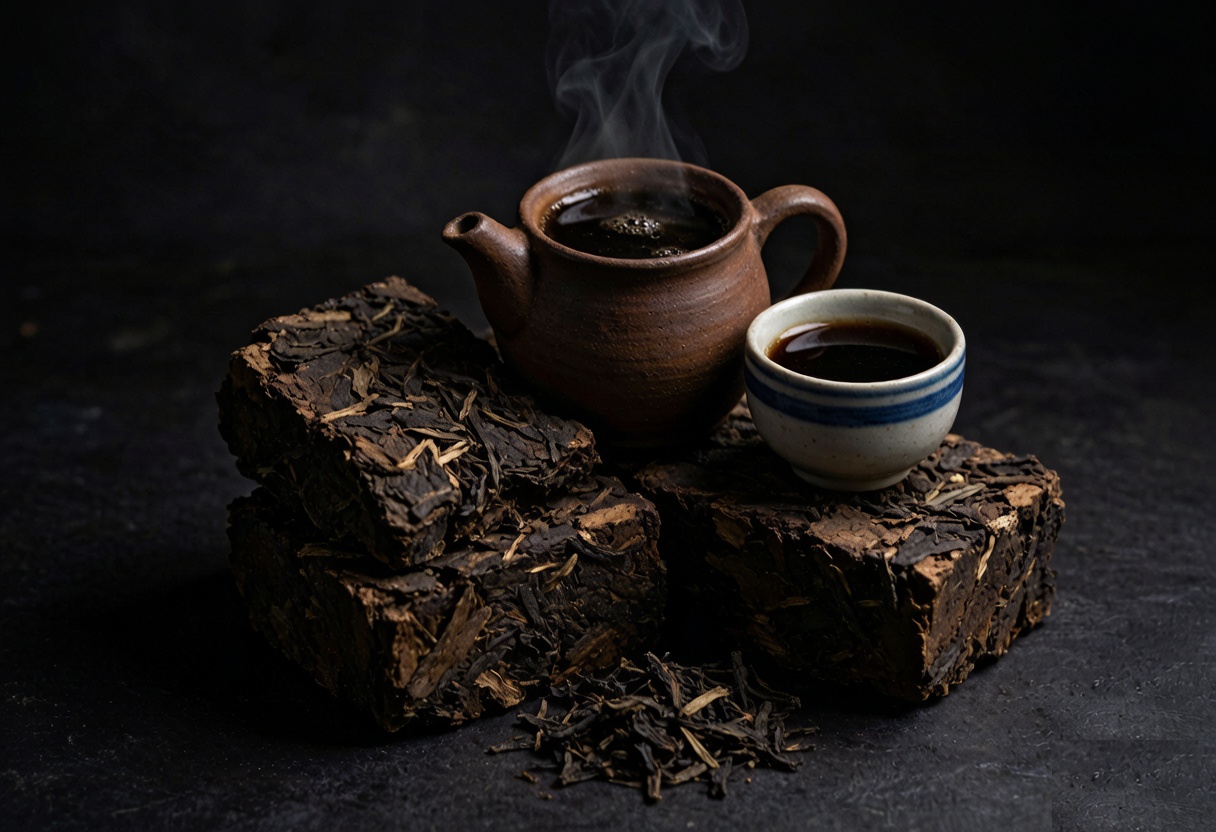
Walk into any Kazakh or Kyrgyz tent in the mountains and the host will break a corner off a dense brown block, crumble it into a pot, and boil it into a dark, earthy brew. This is brick tea (砖茶, zhuān chá) — the Silk Road’s original travel food, and a drink that still steeps in every nomad’s pot.
Why a brick?
Tea leaves pressed into a solid cake travel without spoiling and survive a thousand kilometres of camel back. For centuries it was currency on the frontier, traded weight-for-weight in some eras. The milk-tea tradition of the grasslands grew directly out of this brick — the brick is the raw material, the milk tea the finished comfort.
How it is brewed
- Snap a chunk from the block — a small corner is enough for a pot.
- Simmer it in water for ten minutes; never just steep, it needs the boil to release.
- Pour off the dark liquor; nomads often add salt, milk or a bit of butter.
The result is nothing like a cup of English breakfast. It is smoky, astringent and oddly moreish once your palate adjusts. I have come to crave it on cold Pass mornings.
Brick vs the leafy teas
Han Chinese households in the cities drink loose green and black tea; the tea-culture guide walks through those. Brick tea is the pastoral cousin — older, rougher, and tied to the road that built Xinjiang. I keep a small block from each trip as a souvenir that actually gets used, not a dust collector.
Try it
You will meet brick tea on any yurt stay (see our yurt account). Accept the bowl, add salt if offered, and taste a drink that has crossed these mountains for a millennium. It is history you can swallow, and a quiet lesson in how trade shaped taste.
Where to buy a block
You will find brick tea in any bazaar, often near the spice and dried-fruit stalls, priced by weight in a cloth wrap. A small block costs a few yuan and travels home without spoiling — a better souvenir than most trinkets. Break off a corner to brew, and it will outlast your trip in the cupboard.
A brewing tip from the tents
Nomads do not measure; they taste. Start with a thumb-sized chunk per pot of water, simmer ten minutes, and adjust. Too weak, add more; too strong, dilute. A pinch of salt transforms it from bitter to savoury. I learned the salt trick from a herder’s wife and have never drunk it plain since. Our milk-tea guide shows the dairy version built on the same brick.
The one thing I order every time
It is the rhythm of it: someone puts a glass in your hand, another arrives, you sit for ten minutes, and suddenly the rest of the day is sorted. The sweet version is the one for the market, not for a morning. Ask for it plain the first time. In Brick Tea Xinjiang that is the tea, and the reason is not the flavour. Where most people get the logistics wrong is covered in our [[xinjiang-brick-tea-fuzhuan-guide|Xinjiang Brick Tea (Fuzhuan): The…]].
Three words that change the order
Point at what the next table has. In Brick Tea Xinjiang that single gesture has never once got me the wrong dish, and it saves you ordering a second plate you did not want. What you need is the phrase for not spicy, the hand signal for a smaller portion, and the knowledge that one word covers what locals drink in winter, which is salt and butter, and what visitors get, which is sweet. You do not need Uyghur. For the part people underestimate, see our [[how-to-go-to-xinjiang|How to Get to Xinjiang: Entry Requirements…]].
Brewing it, step by step
Brick tea (茯砖茶) is compressed tea you break off in chunks, not loose leaves. I drop a few chunks in a small pot of boiling water and simmer it — not steep it — for several minutes until it’s dark and a little smoky. Pour it plain into a bowl or small cup. The milk version, süt çay, is the one you’ll meet in Kazakh and Mongolian yurts: boil the tea, add milk (fresh if you have it), a pinch of salt, and sometimes a bit of butter. It tastes like sustenance, not like the tea you’re used to, and on a cold grassland morning that’s exactly the point.
Where you’ll meet it
You’ll find brick tea in the bazaars — solid blocks wrapped in paper, cheap, and easy to carry home — and you’ll drink it in yurts and at mountain homestays where the host puts a pot on the stove the moment you sit. It’s a social object: the pot stays on, cups get refilled, and leaving before the second pour is almost rude. Buy a block at the Kashgar or Urumqi bazaar if you want to recreate the ritual; a few chunks in a pan at home gets surprisingly close.