Food Allergies in Xinjiang: Nut, Dairy, and Wheat Traps
On my second night in Kashgar, a friend bit into what he thought was a plain sesame biscuit and his lips swelled before the plate was cleared. It was not sesame — it was a walnut and almond mix ground into the dough. That moment rewrote how I eat in Xinjiang, because the cuisine is generous with nuts, dairy, and wheat in ways the menu never says. If you carry a real allergy, the region is manageable, but only if you know the traps and how to name them.
The three allergens that hide in plain sight
Xinjiang food runs on three things that quietly cause most allergic reactions for visitors: tree nuts, dairy, and wheat. They turn up in dishes that look plain, in breads baked in shared ovens, and in sweets handed to you as hospitality. None of this is malice — it is a food culture where these ingredients are normal — but it means you have to do the naming, not assume the menu does it for you.
Where nuts show up unexpectedly
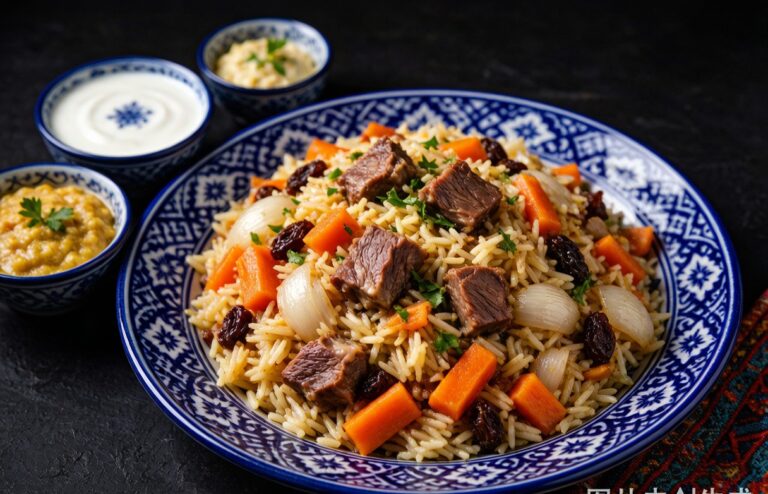
Walnuts and almonds are folded into savory polo (the raisin-and-carrot rice), pressed into naan, and ground into the pistachio-walnut sweets at every bazaar. A “fruit and nut” plate is obvious; a walnut naan is not. Ask before any bread, and treat festival sweets as nut-bearing until proven otherwise. I now photograph the safe breads I find so I can point at them later.
Reading a bazaar sweet stall
At a sweet stall, the nut-free items are the minority. Plain dried apricots, raisins, and fig rolls are usually safe, while anything labeled “yong” (nut) or visibly dotted is not. Point, don’t guess, and keep your own sealed snacks for the moments you cannot verify.
Dairy: it is in more than the yoghurt
Dairy shows up as milk tea (süt chai), as the cream in laghman sauces, and as the fresh cheese (qurut) served with noodles. Even “plain” rice may be finished with a knob of butter. If a dairy allergy is serious, tell the cook before ordering and avoid cream-based dishes; grilled meats and plain steamed rice are your safer defaults.
Wheat and cross-contact in the nan oven
Almost every bread is wheat, and the communal tandir oven means a “gluten-free” loaf is not really possible at a normal stop. Fried noodles, laghman, and manty dumplings are all wheat. Cross-contact is the rule, not the exception, so if wheat is dangerous, street bread and shared fryers are off the table and you should stick to rice and grilled dishes from a clean grill.
How to say “I am allergic” — and be believed
The word for allergy is understood in cities but patchy in villages, so lead with the specific food. Showing the Chinese or Uyghur term on your phone, plus a translated “I will get sick, please no,” gets a better response than a lecture about allergies. Hand the screen to the cook, not just the server.
| Allergen | Chinese (put on phone) | Uyghur | What to say |
|---|---|---|---|
| Peanut / nut | 我对坚果过敏 | Men yengaqqa allergik | “No nuts, please” |
| Dairy / milk | 我对牛奶过敏 | Men sütkö allergik | “No milk, no cream” |
| Wheat / gluten | 我对麸质过敏 | Men bugdayga allergik | “No bread, no noodles” |
| Shellfish / egg | 我对海鲜/鸡蛋过敏 | Men dengiz/tyuxumga allergik | “None in this dish” |
What to order when you are unsure
The safest orders are grilled lamb chunks (kawap) with no sauce, plain steamed rice, and boiled or roasted vegetables you can see. Skip the shared bread basket, skip the cream soups, and skip anything fried in a busy wok. At a proper restaurant you can negotiate a plain grill; at a stall you cannot control the oil, so be stricter there.
Skin, pen, and a plan before you eat
Carry your antihistamines, and if your allergy is anaphylaxis-level, carry two epinephrine auto-injectors and keep one in your day bag, not in checked luggage. Tell your travel companions which dish set you off. Learn the phrase for “hospital” and pin the nearest one on your map. A little prep turns a scary cuisine into a manageable one, and most of Xinjiang’s grilled and rice dishes are genuinely easy to eat safely once you know the lines.
The broader picture helps too: read the core Xinjiang dishes and where nuts and dairy hide before you go, and keep the restaurant menu and ordering guide open so you can point at safe items instead of describing them.
A note on hospitality, and how to hold the line
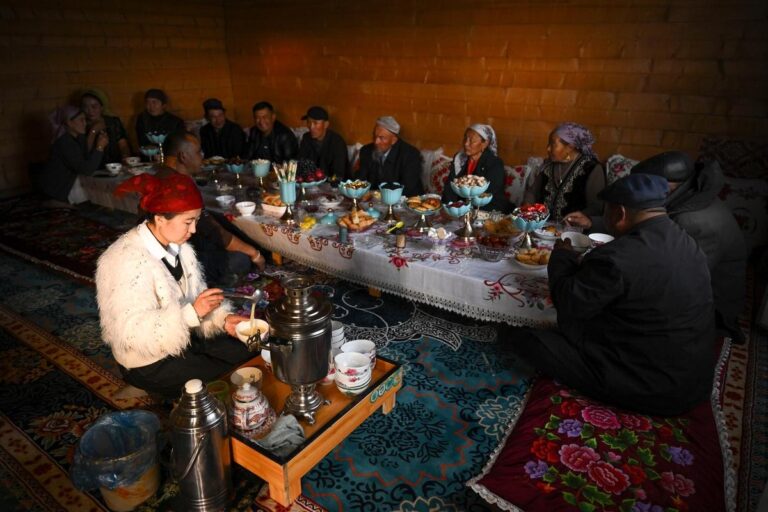
Xinjiang hospitality is generous to a fault, and a host who urges you to ‘just try a little’ does not mean harm — they mean welcome. That is exactly why you must be the one to hold the line. A polite, firm repeat of your no-nuts or no-dairy line, paired with the phone screen, ends the pressure faster than a long explanation. I learned to smile, refuse once clearly, and redirect to the grilled meat everyone can share; most hosts relax the moment they see you eating something freely, and the shared plate of plain lamb becomes the safe center of the meal. When in doubt at a stall, the plainest grill and the plainest rice are your friends, and a plate you can watch assembled in front of you beats any description. I keep a small phrase card that lists my three forbidden foods and a green-light list of what I can eat, so the cook can nod and cook instead of guessing. Allergies are manageable here; the work is in clear, kind, repeated communication, not in avoidance, and a relaxed traveler eats far better than a frightened one.
My last trip I kept a tiny laminated card in three languages and handed it to the cook before the first plate, then again before the second course, because repetition is not rudeness here. Two restaurants out of a dozen got it wrong anyway and both fixed it without complaint once I pointed. Allergies in Xinjiang are solvable, but only if you treat the card as a standing instruction rather than a one-time explanation.
Frequently Asked Questions
Is Xinjiang safe for a peanut allergy?
Yes, with discipline. Nuts are common but rarely hidden in grilled meats and plain rice, so those become your default. The risk is bread, sweets, and polo — always ask, and carry your own sealed snacks for long drives between towns.
Do restaurants understand “allergy”?
In Urumqi and Kashgar, the word is understood; in villages it is not, so name the specific food in Chinese or Uyghur from your phone. Showing the cook the term gets a far better result than explaining allergy in English.
What about dairy in lamb dishes?
Grilled lamb is dairy-free; the dairy sneaks in through milk tea, cream sauces on noodles, and butter finishes on rice. Order grilled meat plain and steamed rice without butter, and you avoid most dairy exposure.
Can I trust “no nuts” at a bazaar?
Only from a sealed package you inspected yourself. Open sweet stalls mix nuts constantly, so cross-contact is likely. Buy pre-packaged plain dried fruit from a shop where you can read the label, not from a scoop bin.
Is there allergy-friendly packaged food?
Supermarkets in bigger cities stock labeled packaged snacks, and international hotels often have safe options. For remote stretches, bring your own sealed food from Urumqi; do not rely on finding labeled items in small-town shops.
What do I do if I react?
Use your auto-injector if prescribed, then get to a hospital — do not wait to see if it passes. Save the Chinese word for hospital on your phone and pin the nearest clinic on your map before you travel, because reaction time matters more than anything else.