
Laghman vs La Mian: Understanding Xinjiang’s Two Iconic Noodles
On my second night in Urumqi I ordered laghman and got a bowl of wide, ruddy belt-noodles in a meat-and-pepper sauce. The next night I ordered la mian and got thin, pale strands in a clear broth. Same region, same hand-pulled craft — totally different bowl. The laghman guide and the la mian guide each go deep; here’s the head-to-head.
Both Start the Same: Hand-Pulled Wheat
Both doughs are wheat, salt, water, and elbow grease — the cook stretches a coiled rope of dough into noodles by hand. The difference is in the cut and the finish, not the pulling.
Laghman — The Belt Noodles
Laghman (from Persian lahma, “meat”) is made of thicker, flatter, belt-like noodles, often cut or torn to ribbon width. It’s served stirred with a wet gözleme-style sauce of tomato, green pepper, onion, and chunks of lamb or beef. The regional laghman guide notes southern versions are saucier; northern ones drier.
Flavor Profile
Savory, tangy from tomato, distinctly “stewed.” You eat it with a spoon and fork, or just a fork. A full bowl is 20–30 RMB.
La Mian — The Strand Noodles
La mian (拉面, “pulled noodles”) are thinner, rounder strands, often served in a broth — clear beef or lamb stock with radish, cilantro, and chili oil on the side. The la mian art guide covers the pulling show. Think of it as Xinjiang‘s ramen.
Flavor Profile
Clean, broth-forward, customizable with vinegar and chili. Slurpable. A bowl is 18–28 RMB.
| Feature | Laghman | La Mian |
|---|---|---|
| Noodle shape | Wide, flat belts | Thin, round strands |
| Base | Tomato-meat sauce | Clear broth |
| Typical topping | Lamb, pepper, onion | Radish, cilantro, chili oil |
| How to eat | Spoon + fork | Slurp from bowl |
| Region famous | South (Kashgar) | North + everywhere |
| Price | 20–30 RMB | 18–28 RMB |

Which Should You Order?
Want a hearty, saucy, fork-and-spoon meal? Laghman. Want a soothing broth and a slurp? La mian. Both beat instant noodles forever. The chaomianpian (stir-fried noodle slices) is a third, wok-tossed option if you want something with a char.
The money, line by line
Two of us covered the whole thing for well under what a single hotel night in Xinjiang costs, but only because we shared the car and shared the entry between us. On your own the same afternoon comes out at maybe half again as much. Prices at the gate are reasonable by European standards, which is exactly why they are easy to underestimate. The admission is cheap, the internal transport is what adds up, and a family of four in one car turns a small ticket into a real line in the budget. Ask once at the ticket office what the full circuit costs before you commit.
Staff there are used to it, and the answer takes ten seconds. The headline entrance ticket is only the first line. Parking, a printed map, and a guide are the other three places the number moves. On top of it comes a shuttle or sightseeing bus inside the site, and if you want a far viewpoint rather than the main one that is another leg. That stretch of the trip is described in our [[laghman-noodles-xinjiang-hand-pulled-noodle-guide|Laghman Noodles: The Hand-Pulled Noodle…]] too.
How much time the place really needs
The second I gave it a morning and a late-afternoon return and saw two completely different places, because the light moved across the surface and the crowds thinned to nothing. My own rule now: if I have to choose between this and an extra evening in Xinjiang, I keep the evening. Most first-timers plan two hours and then get stranded. The gates open early and the last entry tends to stop a couple of hours before closing, so the promise of coming back for sunset is not always possible. Budget the full morning.
That covers the walk in, the slow look at the main feature, the side trails almost nobody does, and getting back to the car before the light goes flat. Ninety minutes is enough to tick the box. A full day is what you want when the point of coming was Xinjiang Laghman Vs Lamian itself rather than a stop on the way. Half a day is enough to understand it. The first time I rushed it and spent the whole visit looking up at the same rock from one spot.
For the part people underestimate, see our [[xinjiang-laghman-hand-pulled-noodles|Xinjiang Laghman: Hand-Pulled Belt Noodles…]].
Getting there without a car of your own
The trick is finding the vehicle rather than the timetable. In Xinjiang the drivers wait where drivers always wait, in the little offices a few hundred metres off the main terminal, and they will put together a half-day for a price the meter would never quote. Leave two hours of slack on the return. Xinjiang Laghman Vs Lamian sits an hour or two from the nearest town, which sounds close until you work out there is no reliable public bus to the gate. The last vehicles back leave in the early evening, and after dark on a mountain road the local buses stop running entirely.
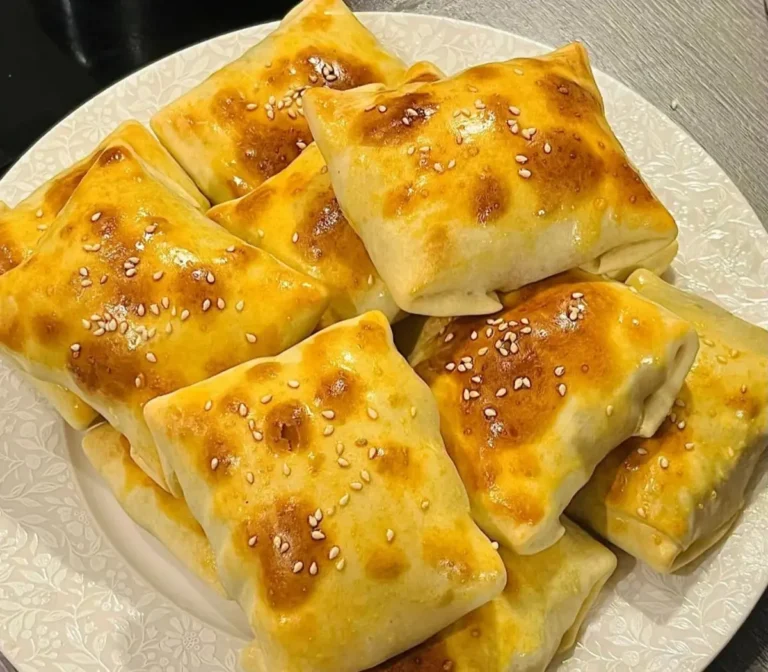
What does exist is an intercity coach leaving the Xinjiang long-distance station early, a taxi share at the stand that costs a few tens of yuan a head if you are patient, and the tour vans that pick up at hotels. We came twice. The first time we chartered a car for the round trip and it was worth every yuan. The second a driver on a return leg dropped us at the entrance and waited in the car park, which is the cheap way to do it if you do not mind setting your own clock. More on the other end of that day is in our [[xinjiang-stuffed-breads-comparison-samsa-pitimanta-manta|Samsa, Pitimanta & Manta: A Field Guide to…]].
Ordering Tips
For la mian, say “qing tang” (clear broth, less oily) or “jia la” (extra chili). For laghman, ask for “duo rou” (extra meat) if you’re hungry — it’s 5–8 RMB more and worth it. The food glossary has the phrases.
When things do not go to plan
If this happens: Laghman and la mian the same dish
No. Same hand-pulled method, different cut and serving — laghman is sauced belt-noodles, la mian is broth strand-noodles. They are as different as pasta and ramen.
When it goes sideways: More authentic to xinjiang
Both are deeply local. Laghman leans Uyghur/Central Asian; la mian leans Hui/Chinese-Muslim. You’ll find both in every city — see the Urumqi and Kashgar guides.
If you run into this: Watch them pulled
La mian is the theatrical one — cooks pull it in the window. Laghman is usually cut/stretched behind the line. Either way, it’s fresh, not dried.
On the ground: Fills you up more
Laghman, thanks to the denser sauce and wider noodles. La mian broth is lighter; add a naan on the side if you’re very hungry.