Hami Melon and Xinjiang’s Sweet Side: A Guide to the Region’s Melons, Grapes, and Fruit
Xinjiang‘s Sweet Reputation Starts With Its Fruit
Ask anyone in China which province grows the best melons and the answer is almost always Xinjiang. The region’s extreme continental climate — scorching summer days, cool nights, and intense sunlight — concentrates sugar in fruit to a degree few places can match. The Uyghur food culture of the region is built as much on fruit and nuts as on grilled meat and pilaf, and a visit is incomplete without tasting the produce fresh from a roadside stall.

Hami Melon: The Famous One
The Hami melon (哈密瓜) is the region’s most exported fruit and the name foreigners are most likely to recognize. Despite the name, it is grown across eastern Xinjiang, not only in Hami city. It is a netted-skinned muskmelon with crisp, pale-orange flesh and a sweetness that can reach 15–18% sugar. Varieties range from the classic round huangpi to longer, greener types.
Peak season is July through September. Buy from a bazaar, ask the vendor to cut a wedge to taste, and you’ll understand why northern Chinese cities pay a premium to air-freight it east.
More Than Melons
- Grapes: Turpan’s seedless grapes and raisins are legendary; the region’s dried fruit and spice bazaars are a buyer’s paradise.
- Watermelon (西瓜): cheap, huge, and sweet from June onward.
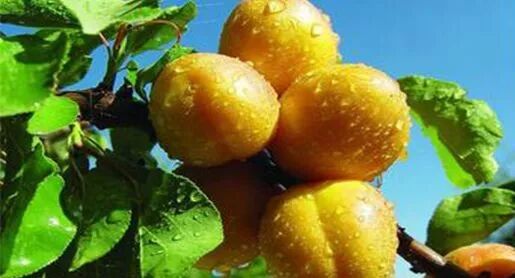
- Apricots: the Ili and Turpan valleys produce fragrant apricots in early summer.
- Apples and pears: Aksu’s apples are crisp and slow-ripened in the cold desert air.
- Figs and pomegranates: southern Xinjiang (Kashgar, Hotan) grows both in abundance.

Why Xinjiang Fruit Tastes Better
Three factors matter. First, daylight hours in summer exceed 14 hours, driving photosynthesis. Second, the day-night temperature swing (often 15°C or more) slows respiration at night, so sugar is preserved in the fruit. Third, low rainfall and irrigated meltwater from the Tianshan and Pamir mountains keep the produce clean and dense. It is the same logic that makes Xinjiang tomatoes and chillies prized for paste and sauce.
The stall, the teahouse and the restaurant
What you lose at the stall is a seat and some shade. Three kinds of place sell the same dish in Hami Melon And Xinjiangs, and they are not competing so much as serving different occasions. Everything else is right there. The street stall is fastest, cheapest and eaten standing up.
The restaurant is where you take someone you want to impress. The teahouse is where you sit an hour and get refilled. The food is the same and the price gap is not small. I eat at the first two most days and take people to the third when they ask for somewhere proper.
That stretch of the trip is described in our [[xinjiang-melons-hami-guide|Xinjiang Melons: Hami, Turpan Watermelon…]] too.
How it is actually eaten
Eating alone here is a quiet business and the kitchen knows it. Bread goes down first, tea arrives without being asked for, and the main dish comes when the people eating together are already sitting properly. In Hami Melon And Xinjiangs the meal is a long one, not a fast one. If you are travelling solo and the thought of a room full of families bothers you, the counter seats at the small places are exactly the right answer. More on the other end of that day is in our [[kumis-ayran-and-xinjiangs-fermented-drinks-a-field-guide-to-the-regions-sours-an|Kumis, Ayran and Xinjiang’s Fermented…]].
What travels home and what does not
Nuts, dried grapes, an uncut flatbread and vacuum-packed lamb all survive a long-haul flight. Buy the dried fruit in the market rather than at the airport and ask for it packed at the stall. It is cheaper, the staff wrap it properly, and it spends a week in your bag as the best thing about the trip. What does not work is anything fried or saucy, which turns in transit, and anything you cannot repeat at home.
How to Eat and Buy
In markets, fruit is sold by the kilogram and often pre-cut. A common local habit is to eat melon after a heavy meal as a digestive — the sweetness cuts the richness of lamb and pilaf. Carry a small knife or ask the vendor; street vendors will happily halve a melon for you.
For taking fruit home, dried grapes and melon slices travel best. Fresh melon is fragile and may not survive a long bus ride, but it flies fine if packed in a hard case.

A Seasonal Calendar
- May–June: strawberries, early apricots, cherries.
- July–August: Hami melon, watermelon, grapes, peaches.
- September–October: apples, pears, pomegranates, late melons.
- Year-round (dried): raisins, dried apricot, melon slices, walnuts.
If your trip is built around food, plan it for high summer. The fruit alone justifies the heat, and the bazaars where it is sold are among the most photogenic in the region.