Laghman Noodles: The Hand-Pulled Noodle Dish You Need to Try in Xinjiang
My First Bite of Real Laghman in Urumqi
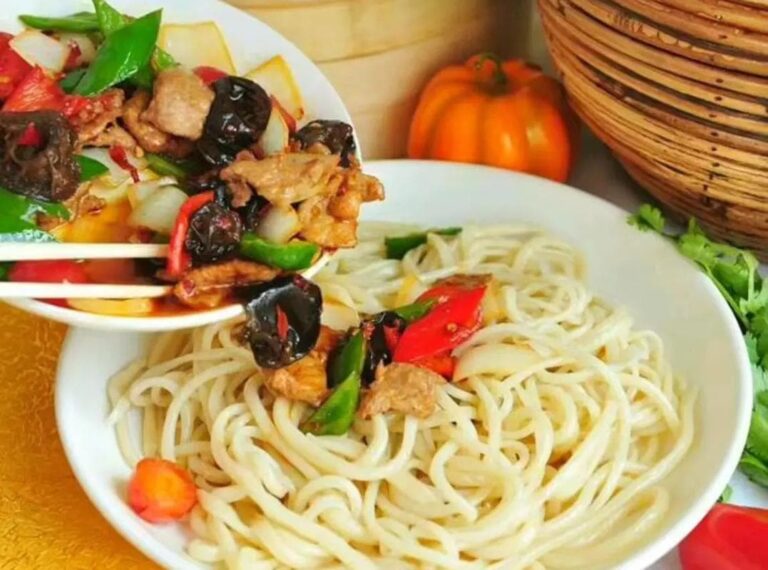
I’ll never forget my first real encounter with laghman (拉条子) in Urumqi. It was October 2022, and I’d been wandering through the streets near the Grand Bazaar for hours, getting increasingly hungry and overwhelmed by the choices. I almost walked into a generic-looking restaurant with picture menus and English translations, but something made me keep walking. Two blocks further, I found a tiny hole-in-the-wall place with no English on the menu, just a glass case displaying bowls of thick, hand-pulled noodles topped with colorful vegetables and meat.
Last updated: July 15, 2026 · Written by Karl Huang, a Xinjiang travel specialist who has spent time across the region. Practical details are cross-checked against official tourism, transport, and border-regulation sources.
The owner, a Uyghur man in his fifties with arms like tree trunks, didn’t speak a word of English. But he smiled, pointed at the glass case, and mimed the action of pulling noodles. That’s when I got my first laghman — and it completely rewrote my understanding of what noodles could be. The noodles were thick, chewy, and clearly made by hand (you could see the slight irregularities that mark hand-pulled pasta). The sauce was rich with cumin-spiced lamb, tomatoes, green peppers, and onions. I paid 25 RMB and walked out feeling like I’d discovered one of Urumqi’s best-kept secrets.
{IMG1}What Exactly is Laghman?
Laghman (sometimes spelled “lahman” or “laghman”) is Xinjiang‘s answer to hand-pulled noodles. The name comes from the Uyghur word for “noodle” (لەغمەن), and the dish has roots that stretch back along the Silk Road to Central Asia. Unlike the thin, delicate noodles you might be used to from Chinese cuisine, laghman noodles are thick, substantial, and have a distinct chew that comes from being hand-pulled and then boiled briefly.
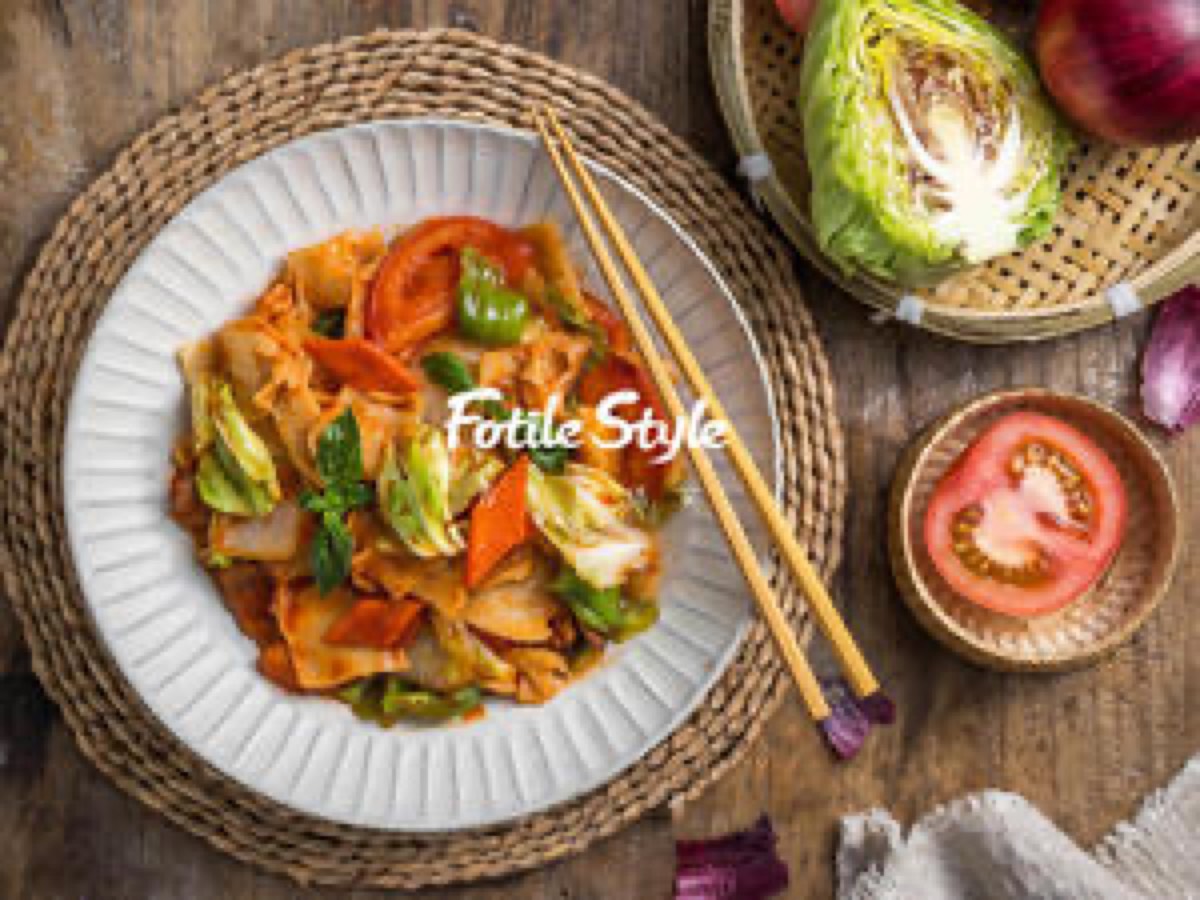
The magic of laghman happens in two places: the noodle-pulling and the sauce. A skilled laghman chef can take a lump of dough and transform it into a tangle of thick noodles through a rhythmic pulling and stretching motion that looks more like performance art than cooking. The sauce (called “qayla” in Uyghur) is typically a stir-fry of lamb or beef with tomatoes, green peppers, onions, and sometimes cabbage or carrots. The key is that the vegetables retain some crunch — this isn’t a stew, it’s a stir-fry with sauce that clings to every strand of noodle.
The Hand-Pulling Process: It’s Harder Than It Looks
During my second trip to Xinjiang in summer 2023, I signed up for a cooking class in Kashgar where the instructor promised to teach me how to make laghman from scratch. I thought, “How hard can it be? You stretch the dough, right?” Three hours later, I had a kitchen covered in flour and noodles that ranged from paper-thin to hockey-puck thick. The instructor, a patient Uyghur woman named Aynur, just laughed and showed me the technique again.
Here’s what I learned: making proper laghman noodles requires a specific type of dough (higher hydration than regular pasta dough), precise timing (the dough needs to rest for at least 30 minutes), and a pulling motion that uses your whole body, not just your arms. The chef alternates between stretching the dough wide and then folding it, repeating this process until the noodle reaches the desired thickness. Then comes the dramatic part — the chef holds the ends of the dough and swings it through the air, using centrifugal force to stretch it into long, even strands.
If you ever get the chance to watch a laghman chef at work, don’t just look at the final product. Watch the hands. The rhythm, the confidence, the way they can judge the thickness just by feel — it’s a skill that takes years to develop. I’ve tried making laghman at home maybe a dozen times since that cooking class, and I’m maybe at 60% of what a decent restaurant can produce.
The Sauce: Where Laghman Gets Its Flavor
If the noodles are the body of laghman, the sauce is the soul. And the soul of laghman sauce is tomatoes. Not the bland, out-of-season tomatoes you might get in northern Europe during winter, but ripe, flavorful tomatoes that form the base of a rich, slightly tangy sauce. In Xinjiang, tomatoes grow with intense flavor thanks to the region’s extreme temperature differences between day and night.
The Classic Combination: Tomatoes, Lamb, and Vegetables
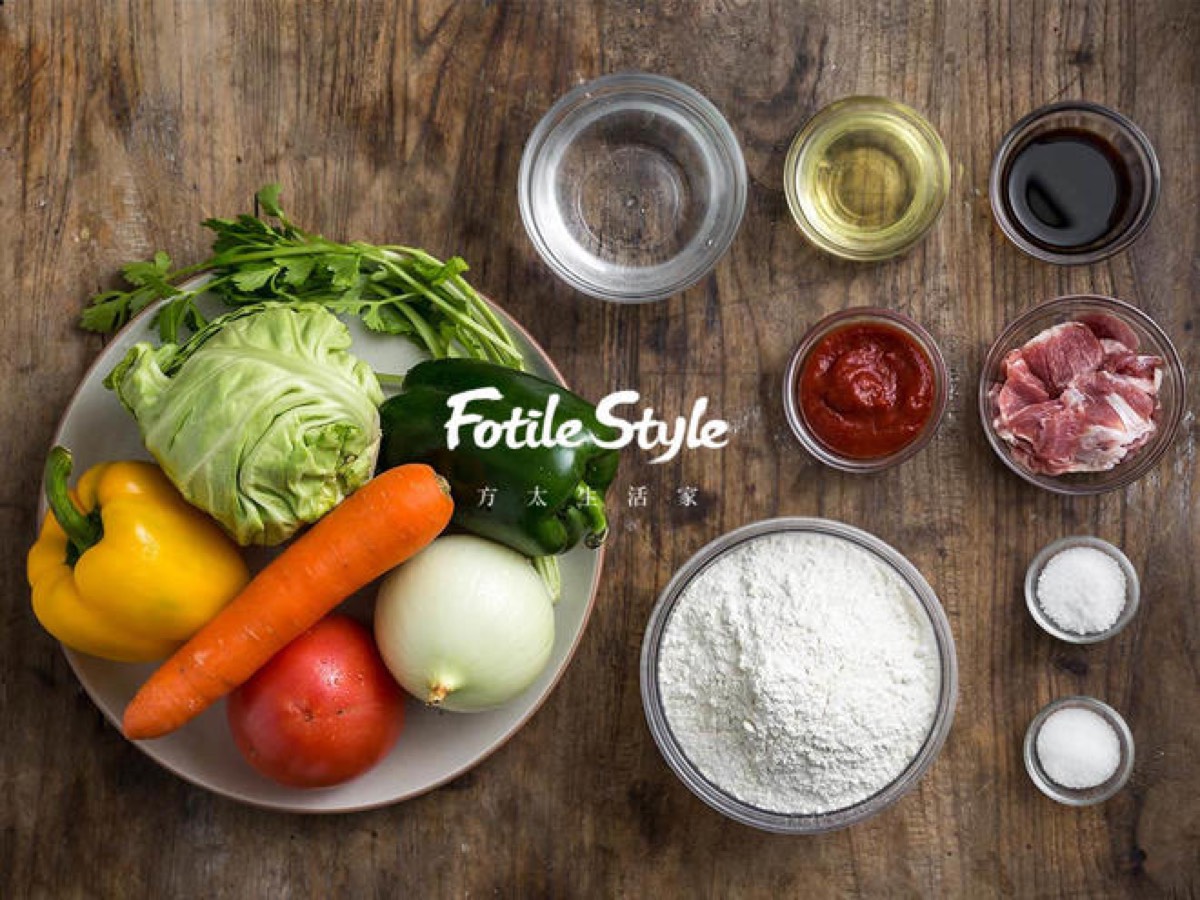
The most common laghman sauce includes:
- Tomatoes: Usually 2-3 per portion, diced and cooked down until they break apart
- Lamb: Thin slices, sometimes marinated briefly in cumin and salt
- Green peppers: The long, mild variety common in Xinjiang
- Onions: Both for flavor and because they’re a staple of Uyghur cuisine
- Garlic: Usually added at the very end so it stays pungent
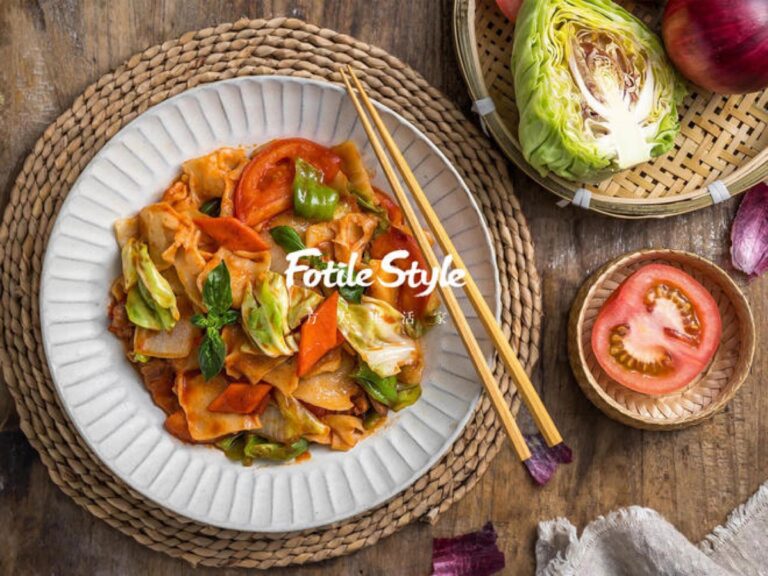
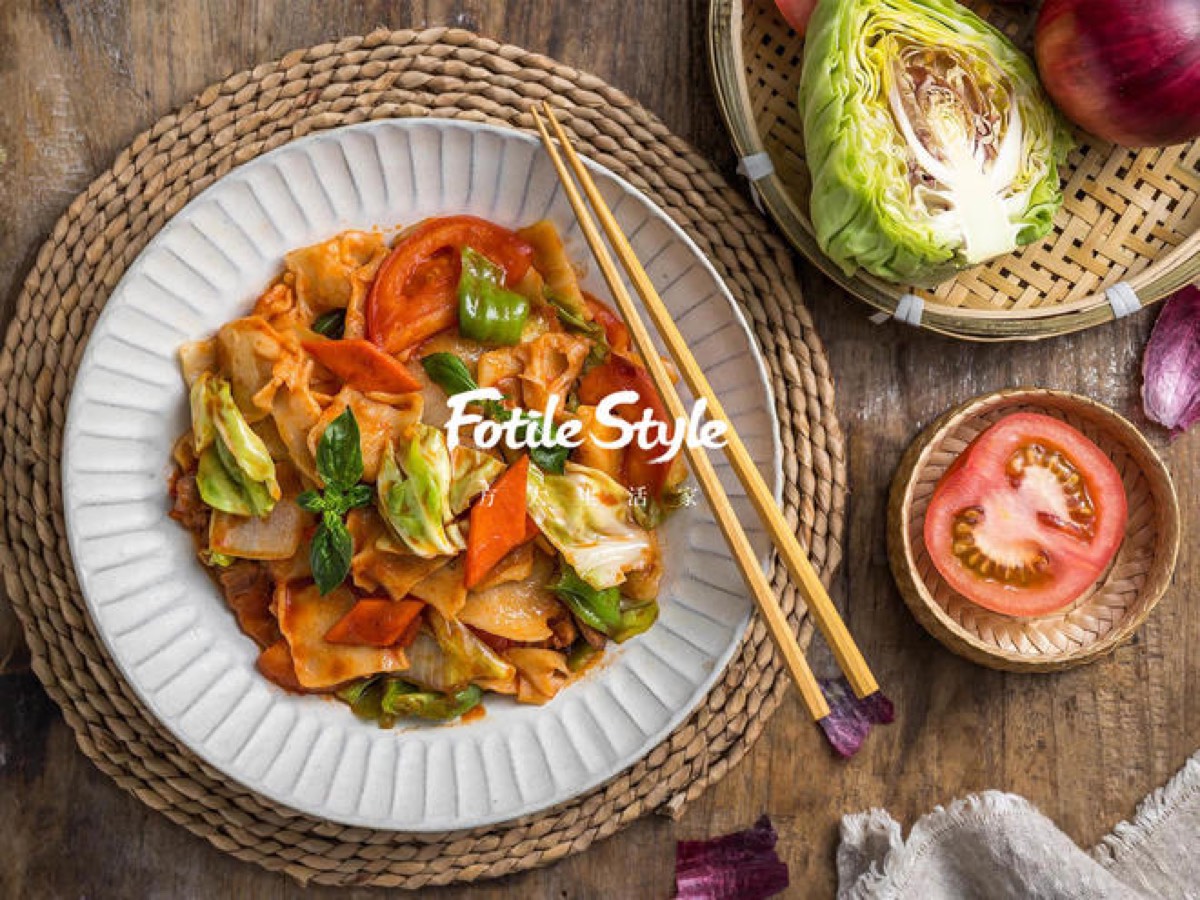
Some versions also include cabbage, carrots, or even potatoes, but I prefer the classic version. The sauce should be wet enough to coat the noodles but not so liquid that it pools at the bottom of the bowl. When it’s done right, you can twirl a portion of noodles around your chopsticks and get a perfect balance of noodle and sauce in every bite.
Urumqi vs. Kashgar: Regional Differences in Laghman
One of the most interesting things I’ve discovered while eating my way through Xinjiang is that laghman varies significantly between regions. The version I had in Urumqi (northern Xinjiang) was noticeably different from what I ate in Kashgar (southern Xinjiang).
The Urumqi Style
In Urumqi, laghman tends to be more standardized — you get thick noodles (about the width of a chopstick) in a savory tomato-meat sauce. The noodles are very chewy, almost bouncy in texture. The sauce is usually on the milder side in terms of spice, though you can always add chili oil at the table. Most Urumqi laghman shops serve the dish with a side of raw garlic (more on that tradition later) and sometimes pickled vegetables.
My favorite spot in Urumqi is a place called “Old Kashgar Laghman” near the Hongshan Park area. It’s not fancy — formica tables, plastic stools, and a kitchen you can see into — but their noodles have that perfect chew, and the sauce has clearly been simmered for a while rather than just quickly stir-fried.
The Kashgar Style
Kashgar laghman, in my experience, is more rustic. The noodles might be slightly thicker (some places serve them almost like fettuccine width), and the sauce often has a more pronounced cumin flavor. I also noticed that Kashgar versions are more likely to include vegetables like eggplant or okra, which you rarely see in Urumqi. The portion sizes in Kashgar are also more generous — I left one meal in Kashgar actually too full to walk properly, which is saying something given my usual appetite.
If you’re in Kashgar, head to the area around the Id Kah Mosque in the evening. The night market stalls there serve laghman that’s as good as anything you’ll get in a restaurant, and the atmosphere of eating under the stars with locals is unbeatable.
How to Order Laghman (Even If You Don’t Speak Uyghur)
Here’s a practical guide to ordering laghman in Xinjiang, based on my trial-and-error experiences:
The Basic Order
In Mandarin: “Yí fèn lā tiáo zi” (一份拉条子) — this will get you a standard portion of laghman.
In Uyghur: “Bir porsiye laghman” (bir por-see-yeh lag-man) — though honestly, in most places, pointing and smiling works just fine.
Customization Options
Unlike Western restaurants where you can customize everything, laghman shops usually have a set way of making the dish. But there are a few things you can specify:
- “Bú là” (不辣): Not spicy (if you’re sensitive to chili)
- “Duō fàng cōng” (多放葱): Extra onions (if you love onions like I do)
- “Shǎo fàng yóu” (少放油): Less oil (some places can be heavy-handed with oil)
One thing I learned the hard way: if you ask for “no garlic,” you might get confused looks. Garlic is considered essential to the laghman experience in Xinjiang. Most places serve a clove of raw garlic on the side, and the proper way to eat it is to take a bite of noodles, then a small bite of garlic. The combination is incredible — the sharp garlic cuts through the richness of the sauce.
The Garlic and Vinegar Tradition
Speaking of garlic, let me explain the proper way to eat laghman in Xinjiang. When your bowl arrives, it will usually come with:
- A clove or two of raw garlic (sometimes still in its skin)
- A small dish of vinegar (usually black rice vinegar)
- Chili oil (the good stuff, with floating chili flakes and sometimes Sichuan peppercorns)
The traditional way to eat is: take a mouthful of noodles, bite off a small piece of garlic, chew them together, and then take a sip of vinegar if you want to cut the richness. I was skeptical about the raw garlic at first — I love garlic, but raw? At 11 AM? But after trying it the proper way, I understood. The garlic adds a pungent kick that makes the noodles come alive, and the vinegar helps cleanse your palate between bites.
Now, if you have a business meeting or a date after your laghman meal, you might want to skip the raw garlic. Or embrace it and hope the other person ordered laghman too.
Price Ranges: What to Expect
Laghman is one of the best-value meals you can get in Xinjiang. Based on my meals across multiple trips:
- Street stalls/night markets: 15-25 RMB per portion
- Casual restaurants: 25-40 RMB per portion
- Higher-end Uyghur restaurants: 40-60 RMB per portion
These prices are for a standard portion, which is usually quite large by international standards. In most places, one portion of laghman is a complete meal for one person. If you’re sharing dishes Chinese-style, you might want to order one portion per person plus some side dishes.
I should note that prices have crept up a bit post-2022 due to inflation, but laghman remains one of the most affordable and satisfying meals in Xinjiang. Even at 40 RMB, you’re getting a substantial, filling meal that’s made with skill and care.
Best Places to Eat Laghman in Urumqi
After multiple trips and dozens of bowls, here are my personal recommendations:
1. Old Kashgar Laghman (Near Hongshan Park)
This is my go-to spot in Urumqi. It’s casual, affordable (30 RMB for a large portion), and consistently good. The noodles have the perfect chew, and the sauce has clearly been made with care. It’s popular with locals, which is always a good sign. Come before 12:30 PM or after 1:30 PM to avoid the lunch rush.
2. Nanmen Laghman Street (Nanmen Area)
This isn’t one restaurant — it’s a street with maybe a dozen laghman shops in a row. Each one has its own character. I like to walk down the street, look at what other people are eating, and then pick the place with the most Uyghur customers. My current favorite on this street is a place that doesn’t have an English name, but it’s the third shop from the west end, and they make the noodles right in the front window so you can watch.
3. Hualing Market Food Court
If you’re near the Hualing Market (a massive wholesale market that’s worth visiting for the atmosphere), there’s a food court on the second floor with several Uyghur noodle shops. The laghman here is no-nonsense, cafeteria-style, but authentic and cheap (20-25 RMB).
Integrating Long-Tail Keywords Naturally
When I was researching the best laghman in Urumqi before my first trip, I found plenty of generic advice but not much detail about specific shops or regional variations. That’s why I’m sharing these specifics — if you’re looking for authentic Uyghur laghman recipe inspiration or wondering about the difference between Urumqi and Kashgar laghman, hopefully my experiences help.
For travelers trying to figure out how to order food in Uyghur language, laghman is actually a great place to start because it’s a word that’s similar across several Central Asian languages. And if you’re watching your budget, knowing the average price of laghman in Xinjiang (roughly 20-40 RMB for a filling portion) can help you plan your meal costs.
FAQ: Common Questions About Laghman
Is laghman the same as “lamian” (拉面) in other parts of China?
Not exactly. While both involve hand-pulled noodles, laghman specifically refers to the Uyghur/Central Asian style of thick noodles served with a meat and vegetable sauce. Lamian in eastern China often refers to thinner noodles served in soup. The dough recipe, pulling technique, and serving style are all different. If you order “lamian” in Xinjiang, you might get laghman, but in Beijing or Shanghai, “lamian” usually means something else.
Can vegetarians eat laghman in Xinjiang?
It can be challenging but not impossible. Most laghman in Xinjiang is made with lamb or beef, and the concept of vegetarianism isn’t widely understood in smaller restaurants. However, you can try asking for “sù de” (素的) — vegetarian style. Some places will make laghman with just the vegetable sauce and no meat. In larger cities like Urumqi, there are a few restaurants that specifically offer vegetarian laghman. I’ve done this successfully maybe half the time — the other half, they looked at me like I’d asked for a meat-free steak.
How spicy is laghman?
Typically, laghman isn’t very spicy. The heat level comes from chili oil that you add at the table, not from spices cooked into the sauce. The sauce itself is flavored with cumin, which has warmth but not heat. If you’re sensitive to spice, you can ask for no chili oil. If you love spice, add generously — the chili oil in Xinjiang is excellent, often made with local chili varieties that have real depth of flavor.
Is laghman safe to eat for people with gluten intolerance?
Unfortunately, no. Laghman noodles are made from wheat flour and contain gluten. I haven’t encountered any places in Xinjiang offering gluten-free alternatives, though in theory, you could try making laghman-style dishes with rice noodles at home. When I traveled with a friend who has celiac disease, we had to skip laghman entirely, which was painful given how good it smells.
What’s the best drink to have with laghman?
In Xinjiang, many people drink black tea with their laghman — it helps cut the richness of the sauce. Some places also serve local yogurt on the side, which is another good palate cleanser. I’ve also seen locals drinking fresh pomegranate juice in season. Avoid cold drinks immediately after a hot laghman meal — in Traditional Chinese Medicine thinking (which has influenced local eating habits), the temperature shock isn’t great for digestion.
Can I learn to make laghman at home?
Yes, but manage your expectations. I’ve been trying to make laghman at home for a year now, and while I can produce edible noodles, they’re not quite at restaurant level. The key challenges are getting the dough hydration right (too dry and it won’t stretch, too wet and it’s a sticky mess) and developing the pulling technique. There are some good YouTube videos by Uyghur home cooks that show the process. Start with those, and don’t get discouraged if your first few attempts look nothing like the pictures.