
Hotan Food Guide: The Sweet, Nutty Silk Road Flavors of Southern Xinjiang
Hotan (Hetian) sits at the scorching southern edge of the Taklamakan, and its food tastes like the desert that surrounds it: sweet, nutty, and built on the walnuts and apricots the oasis grows. I came for the jade and stayed for the qagil (walnut pastry). If you’ve done Kashgar, Hotan is the quieter, sweeter cousin.
Hotan’s Edible Identity: Walnuts and Apricots
The Hotan oasis is one of China’s great walnut and apricot belts. Walk any bazaar and the air smells of toasted nut. Dried fruits here are among the cheapest and best in the region — the buying guide covers prices, but Hotan is where you’ll find the widest nut selection.
Dishes to Seek Out
Qagil (Walnut Pastry)
A crumbly, lightly sweet pastry of ground walnut, flour, and a little sugar or honey. Eaten with tea, it is Hotan’s signature. A bag from a street baker is 10–15 RMB. I carried one across the desert highway as trail food.
Hotan Naan with Walnut
The local naan sometimes gets a walnut or raisin studding — a sweeter take on the staple. Look for the round loaves with visible nut chunks near the Friday mosque bakeries.
Apricot Kernel Noodles and Soups
In spring, apricot-kernel (xing ren) goes into broths and even noodle sauces, giving a faint almond bitterness. Related to the noodle soup tradition of the region.
Desert Oven Kebabs
Hotan’s lamb skewers are classic southern style — heavy cumin, a little chili, charcoal-grilled. The meat is pasture lamb from the oasis edge, noticeably sweet.
| Specialty | Where | Price | Best time |
|---|---|---|---|
| Walnut pastry (qagil) | Bakeries, bazaar | 10–15 RMB/bag | Year-round |
| Walnut naan | Neighborhood nanfang | 3–5 RMB | Year-round |
| Walnuts (in shell) | Hotan bazaar | 20–30 RMB/kg | Sep–Nov |
| Lamb skewers | Night market | 3–5 RMB | Evenings |
| Apricot-kernel soup | Family restaurants | 15–25 RMB | Spring |

Where to Eat
The Hotan Bazaar (one of the largest in Xinjiang) has a food row that merges into the Sunday-bazaar energy of the south. The old town near the Hotan River has hole-in-the-wall noodle and kebab shops where you’ll eat for under 30 RMB. For a proper sit-down, the Uyghur restaurants on Beijing Road do reliable polo and dapanji.
Three words that change the order
In Xinjiang Hotan Food that single gesture has never once got me the wrong dish, and it saves you ordering a second plate you did not want. You do not need Uyghur. Point at what the next table has. What you need is the phrase for not spicy, the hand signal for a smaller portion, and the knowledge that one word covers what locals drink in winter, which is salt and butter, and what visitors get, which is sweet. I wrote the driving side up in our [[2026-xinjiang-food-guide|2026 Xinjiang Food Guide:A Silk Road…]] as well.
The stall, the teahouse and the restaurant
I eat at the first two most days and take people to the third when they ask for somewhere proper. What you lose at the stall is a seat and some shade. Everything else is right there. Three kinds of place sell the same dish in Xinjiang Hotan Food, and they are not competing so much as serving different occasions.
The street stall is fastest, cheapest and eaten standing up. The restaurant is where you take someone you want to impress. The food is the same and the price gap is not small. The teahouse is where you sit an hour and get refilled.
The evening version of that plan is in our [[xinjiang-yili-food-guide|Eating in Yili (Ili): The Grassland Cuisine…]].
The one thing I order every time
It is the rhythm of it: someone puts a glass in your hand, another arrives, you sit for ten minutes, and suddenly the rest of the day is sorted. In Xinjiang Hotan Food that is the tea, and the reason is not the flavour. Ask for it plain the first time. The sweet version is the one for the market, not for a morning. For the part people underestimate, see our [[xinjiang-turpan-food-guide|Turpan Food Guide: Grapes, Noodles & the…]].
Sweets and Tea
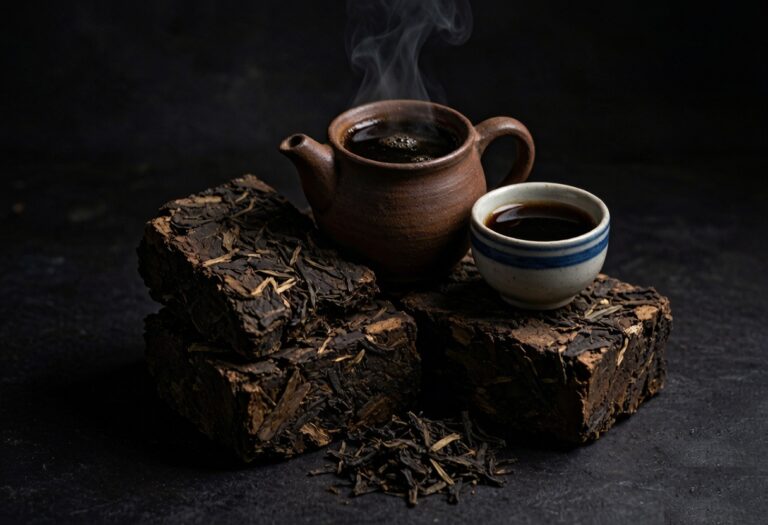
Hotan leans sweet. Beyond qagil, the sweets guide lists the baklava-style layers that appear here with extra walnut. Wash it down with brick tea from a chaykhana — see the tea traditions guide for the regional split.
Questions I get at the travel desk
Is Hotan food very different from Kashgar‘s?
Similar base (Uyghur halal) but Hotan emphasizes walnuts, apricots, and a sweeter bakery profile, while Kashgar‘s famous street food is more kebab- and noodle-forward.
Is it safe to eat the walnut pastry from a stall?
Yes — it’s dry-baked and low-risk. Buy from a busy stall for freshness. If you have a tree-nut allergy, skip it entirely; walnuts are everywhere here.
What’s the one thing to try in Hotan?
The walnut pastry with a bowl of brick tea. Cheap, unique to the oasis, and exactly the flavor of the place.
Can I visit the walnut orchards?
Orchards around Yutian and Cele are open in autumn harvest (Sep–Oct). Ask a guesthouse about village visits; the best-time guide flags the window.