Cooking Xinjiang Food at Home: What Actually Transfers From the Road to Your Kitchen
I came home from my first Xinjiang trip in 2019 with a suitcase that smelled of cumin and a notebook full of recipes I could not read. The honest truth is that most of what I ate on the road does not survive the trip to a foreign kitchen. You cannot replicate a tandoor-baked naan in a cramped apartment in Berlin. But a handful of dishes do make the crossing, and those are the ones worth your time.
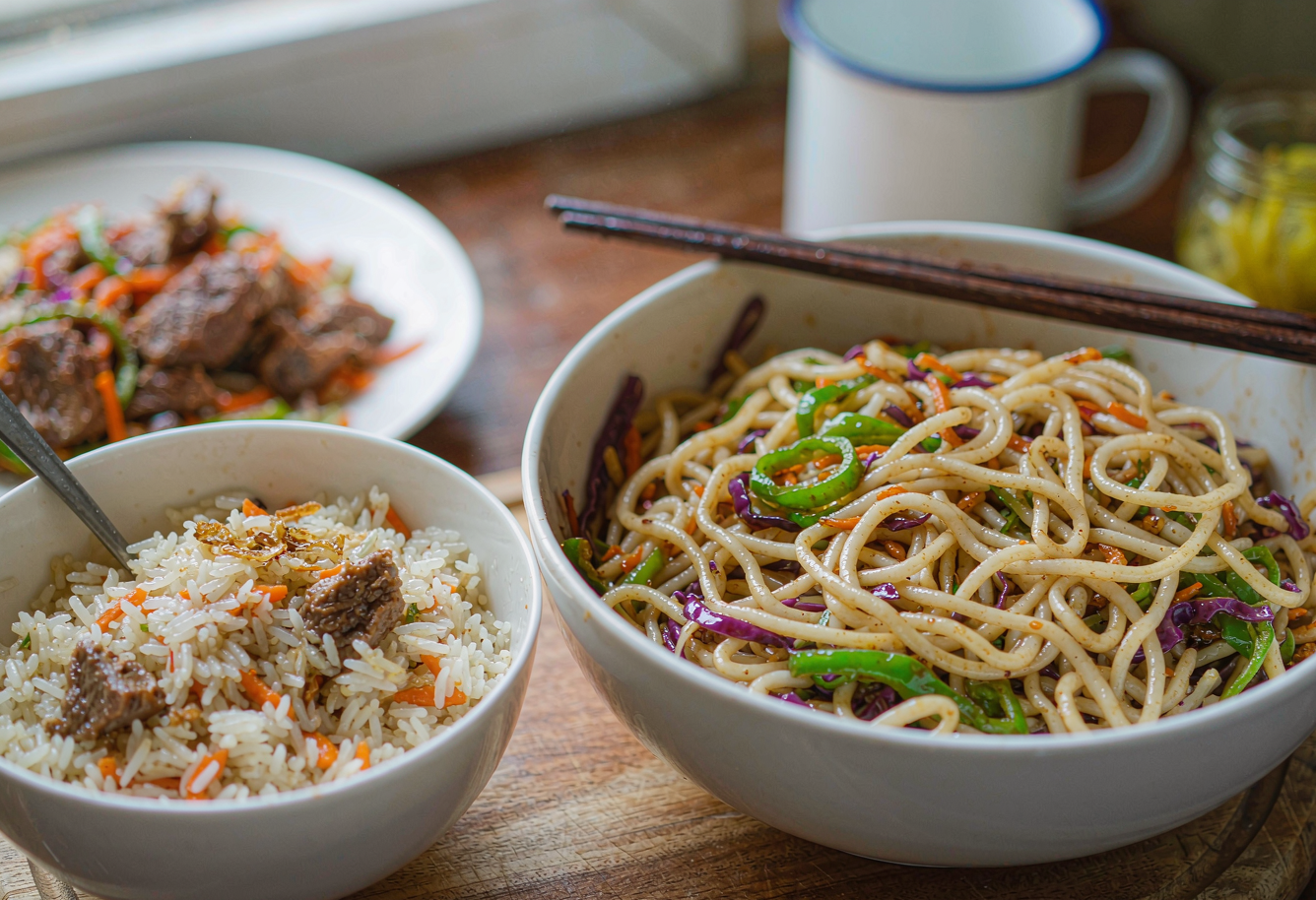
Start with laghman. The belt noodles look intimidating, but the dough is nothing more than flour, water, and salt, rested long enough that you stop fighting it. I ruined three batches before I accepted that the rest time is not a suggestion. The hand-pulled technique is the part that matters, and you can fake the pull with a pasta machine once your arms give out.
Then there is polo, the rice with carrot and lamb. People call it pilaf and argue about whether it came from Samarkand or Kashgar. I do not care where it started. What I care about is that the rice needs a fat enough cut of lamb and a lid that holds the steam. My first home attempt was dry because I used lean meat. The fatty tail is not optional.
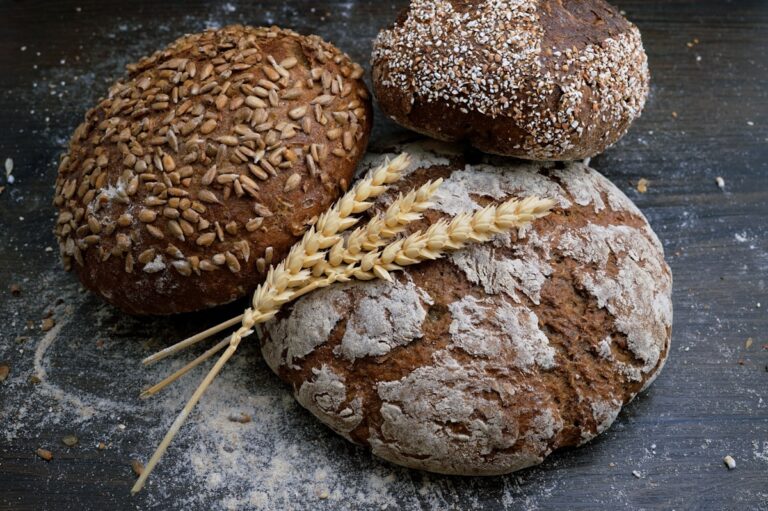
Flatbread is its own problem. Uyghur naan wants a hot floor it never gets in a home oven. I press mine against the inside of a preheated cast-iron pot, and it comes out close enough that my Kazakh friends stopped laughing.
The spice question is where people waste money. You do not need ten jars. Cumin, chili flakes, and black pepper cover most of it, and the lagan chili paste is worth making once in a big batch. For pantry staples I still order from the bazaar suppliers I found through this dried-fruit and spice guide, because the supermarket stuff tastes of cardboard.
If you want the full frame, this guide to Uyghur cuisine and the ten-dish Silk Road overview are where I send friends before they book a ticket.
The plain part: my kitchen will never taste like the roadside stall in Kuqa where the old man flipped naan onto coals with his bare hand. But the food I make at home keeps the trip alive on the grey Tuesdays, and that is the whole point.
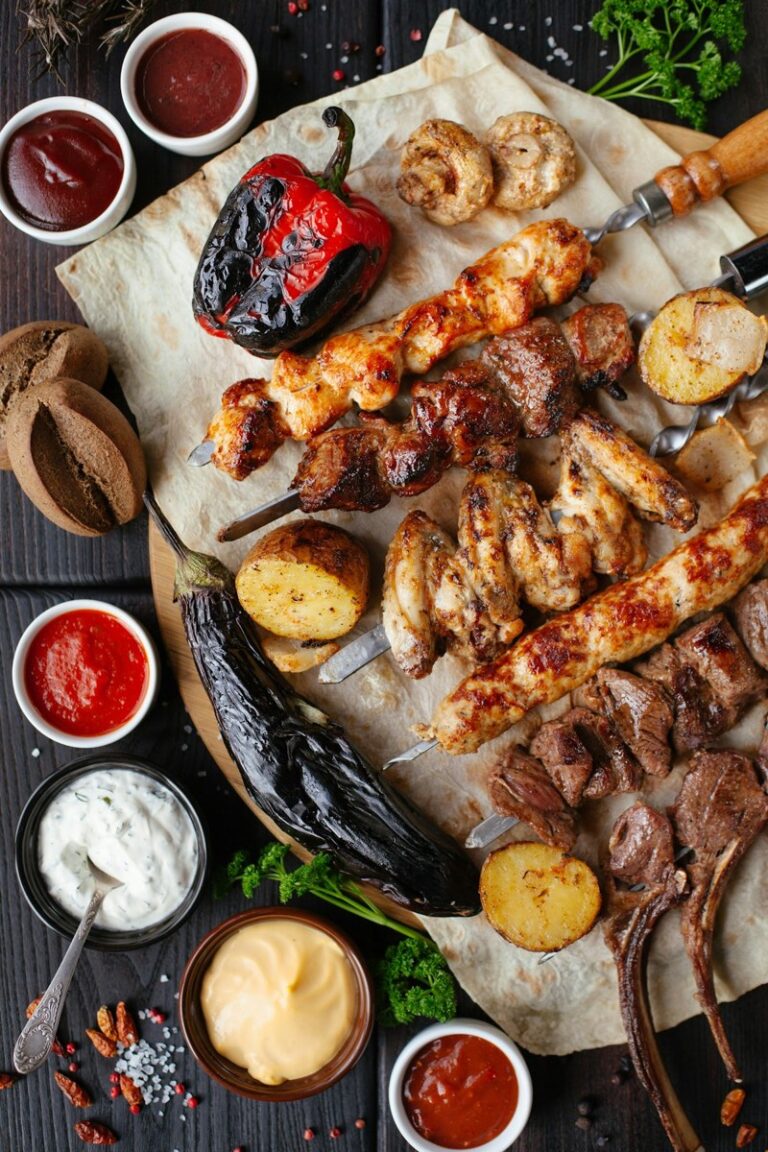
The dish that taught me the most was the one I did not plan to learn: homemade samsa-style pies. In a Uyghur home near Yining I watched the women roll dough thin enough to read through, fold in a lamb-and-onion filling, and press it against the inside of the tandoor with a paddled cloth. My version, in a home oven, comes out closer to a pasty than a samsa, but the folding lesson stuck: the seal has to be tight or the juice runs out and the filling dries. I ruined a tray before I got the crimp right, and the family ate the failures without comment, which is the kindest review you can get. The point of cooking this food at home is not perfection. It is the half-hour where the road comes back into the kitchen.
A practical list of what to pack home if you want to cook this food: cumin seed, not ground, because the seed keeps its oil; a small bag of the red chili flakes used for lagan; and, if you can find it, the dried yellow carrot that goes into polo and exists in no Western supermarket. The dried-fruit guide covers the spice stalls. Do not bother shipping a tandoor; the cast-iron pot trick works. The one tool I did buy was a long dowel for stretching laghman, and I use it weekly. Start with polo, because rice forgives more than noodles, and move to laghman once your arms stop complaining. The dishes that fail at home fail for the same reason they succeed on the road: they are simple, and simple food hides nothing and forgives no shortcut.
What goes in the day pack
A fleece covers most of the year, a real jacket covers shoulder season. Water, more than you think, a power bank and some cash. Sunscreen and a brim. Cards work at the gate and in the shops, but the stalls on the approach road and the drivers waiting at the turnoff want cash, and coming up short at the moment you want a lift is the classic way to lose an hour. The light here is serious and the shade is intermittent, so the sunscreen goes on before you leave the hotel, not at the gate. A wind shell. The temperature drops fast once you stop moving and the drop is not hypothetical on an exposed pass.
How much time the place really needs
Ninety minutes is enough to tick the box. Half a day is enough to understand it. A full day is what you want when the point of coming was Xinjiang Cooking At Home itself rather than a stop on the way. The first time I rushed it and spent the whole visit looking up at the same rock from one spot. My own rule now: if I have to choose between this and an extra evening in Xinjiang, I keep the evening.
The second I gave it a morning and a late-afternoon return and saw two completely different places, because the light moved across the surface and the crowds thinned to nothing. Most first-timers plan two hours and then get stranded. The gates open early and the last entry tends to stop a couple of hours before closing, so the promise of coming back for sunset is not always possible. That covers the walk in, the slow look at the main feature, the side trails almost nobody does, and getting back to the car before the light goes flat. Budget the full morning.
If the timing is the question, our [[xinjiang-shipping-souvenirs-home|Shipping Your Xinjiang Souvenirs Home: What…]] goes through it properly.