Xinjiang Ice Cream and Frozen Dairy: Marozhnoe, Moyuzi and the Cold Sweets of the Silk Road
The first time I ordered ice cream in Xinjiang I expected a tiny cone from a tourist stand. What arrived was a dense, egg-yellow scoop of moyuzi pressed from a hand-cranked machine, served in a paper cup with a spoon and a dusting of crushed pistachio. It tasted nothing like supermarket ice cream — richer, less sweet, faintly salty, and somehow more honest. Across two trips I kept chasing that flavor, and I learned that Xinjiang‘s frozen sweets are a whole subculture worth planning around.
Why Xinjiang Does Cold Treats Better Than You’d Expect
The region sits at the crossroads of two frozen-dessert traditions. The first is Central Asian and Uyghur: milk-based, nut-flecked, often eaten with bread or fruit. The second is the Soviet legacy of marozhnoe, brought by Russian and Slavic influence into the northwest and never really left. Both thrive in a climate where summer heat makes a cold object feel like a small mercy, and where dairy from the grasslands is abundant and cheap.
Unlike coastal China, where ice cream is a uniform industrial product, Xinjiang still makes frozen sweets in small batches. You’ll find them at bazaars, outside mosques on Friday, in night-market stalls, and in humble moyuzi huts that operate only in the warm months.
The Icons: Marozhnoe, Moyuzi and Kaymak Ice Cream
Marozhnoe — the Soviet legacy cone
Marozhnoe (мороженое) is the Russian word for ice cream, and in cities like Urumqi, Yining and Karamay you’ll still see it sold from blue-and-white carts. The classic is a vanilla or cream plombir-style scoop on a wafer cone, denser and less airy than Western soft-serve. It’s the comfort-food ice cream of a generation raised on it.
Moyuzi — Uyghur-style ice cream
Moyuzi is the local Uyghur version: milk, sugar and sometimes salep or cornflour, churned slowly so it sets thick. It’s rarely scooped into balls; more often it’s scraped into a cup and topped with crushed walnuts, raisins or fresh melon. The texture is closer to frozen custard than to gelato.
Kaymak ice cream and frozen yogurt
Some stalls fold kaymak (the clotted, slightly tangy cream) into the base, giving a frozen yogurt edge without the sourness of commercial brands. It pairs beautifully with the region’s dried apricots and sour cherries.
A Regional Map of Frozen Treats
Where you are changes what you’ll find. Here’s a practical breakdown:
| Region / City | What to look for | Typical price (2026) | Best season |
|---|---|---|---|
| Urumqi & Karamay | Marozhnoe carts, plombir cones | ¥5–10 / cone | May–September |
| Yining (Ili) | Moyuzi huts, kaymak frozen yogurt | ¥8–15 / cup | June–August |
| Kashgar & Hotan | Hand-scraped moyuzi with nuts & raisins | ¥6–12 / cup | June–September |
| Turpan | Grape-ice and fruit sorbets | ¥7–12 / cup | July–September |
| Grassland yurts (Nalati, Bayinbulak) | Fresh kaymak ice cream, made to order | ¥10–20 / bowl | July–August |
Where to Eat Them (and What to Pay)
Night markets are the easiest hunt. In Urumqi the milk tea and yogurt culture spills over into frozen dairy, and you’ll find moyuzi next to the tea stalls. Kashgar’s old town has small moyuzi windows that open around 4 pm; follow the queue of kids. In Ili, the summer moyuzi huts near the river are a local ritual. Expect to pay more in scenic areas and yurt camps, where the milk is genuinely local.
How Locals Eat Them: Pairings and Etiquette
The move is to eat frozen dairy with something else, not alone. A cup of moyuzi with a wedge of Xinjiang melon is a classic summer combo. In Uyghur homes, a small bowl of kaymak ice cream might follow noodles as a cooling closer. If you’re offered ice cream by a family, accept with your right hand and don’t rush — it’s a hospitality gesture, not a snack to wolf down.
Making Sense of Dairy: Yogurt, Kaymak and the Frozen Gap
If you love the frozen versions, you’ll love the source. The same grasslands that produce moyuzi produce thick suzma (strained yogurt) and kaymak. Trying the unfrozen versions first helps you appreciate why the ice cream tastes the way it does — and why it’s worth seeking out the hand-made stalls over the supermarket tubs.
The Surprise: Frozen Fruit and Sorbets
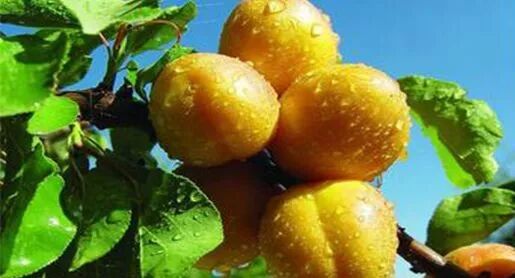
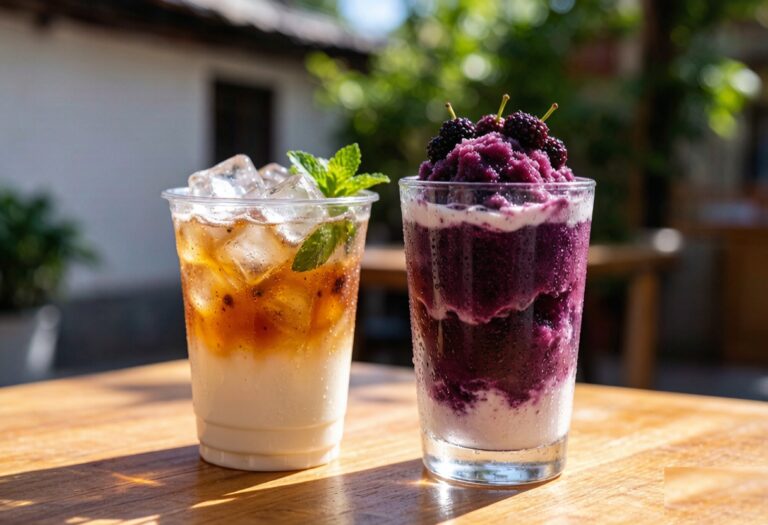
Beyond dairy, Xinjiang does fruit ices that deserve their own mention. Turpan, the grape capital, freezes its own varieties into coarse, granita-like ices that taste like concentrated summer — sweet, aromatic, and nothing like a supermarket sorbet. In Ili and the south, mulberry and apricot ices appear at stalls in early summer, often made from fruit picked that week. These are naturally lighter and a good choice if you want something cold without the cream. Ask for mewa muzu (fruit ice) and point at the fruit you want; vendors are used to the gesture and will happily scrape you a cup.
A Note on Sugar, Milk and Dietary Needs
Traditional moyuzi is made with full-fat milk and moderate sugar, so it’s richer than it looks. If you’re watching sugar, the fruit ices are the lighter pick, and a small cup of moyuzi goes further than a big one because it’s dense. Dairy sensitivity is worth noting: most versions are milk-based, though kaymak-folded ones are the creamiest of all. None of this should stop you from enjoying them — just size your portion. I’ve found a single cup shared between two people is the right amount after a heavy noodle dinner, enough to taste without sliding into a sugar coma.
Buying the Flavors to Take Home
If you fall for the taste, you can recreate it. Dried apricots, raisins and pistachios travel well and are sold in every bazaar; a bag of each plus good vanilla and whole milk at home gets you surprisingly close to moyuzi. Some travelers buy packets of “moyuzi powder” at markets, but quality varies wildly — I’d rather take the nuts and fruit and build it myself, where I control the sugar and the milk.
What changes with the calendar
Spring and early summer
Generally yes from busy stalls and carts with high turnover. Avoid pre-scooped displays sitting in the sun; choose places churning to order or pulling from a freezer chest. Street moyuzi from a popular window is usually safe because it sells out fast.
Summer
Less than Western ice cream. Moyuzi and kaymak versions are mildly sweet and sometimes faintly salty, which makes them refreshing rather than cloying in the heat.
Autumn
Fruit-based ices (grape, mulberry, apricot) exist in Turpan and Ili and are naturally dairy-light. True vegan sorbet is rare, so ask “sut yoq” (no milk) if it matters to you.
Winter
Moyuzi is the local Uyghur milk ice, denser and less sweet; marozhnoe is the Russian-style cone ice cream, lighter and more familiar to Western palates. Both are worth trying.
June through September, when the hand-made stalls operate and the heat makes them irresistible. In winter only supermarket and café options remain.