Xinjiang Uyghur Dance: A Traveler’s Guide to the Region’s Living Performing Arts
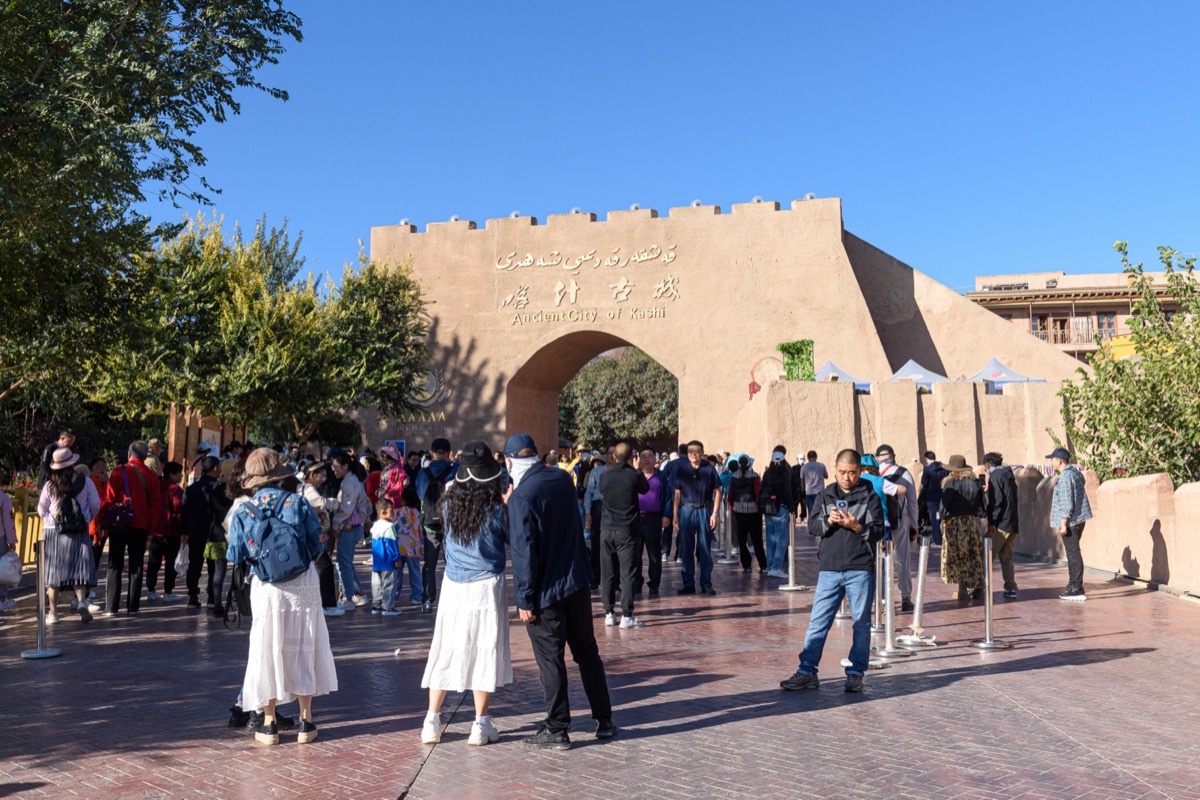
The first time I really understood Xinjiang was not at a scenic overlook or a museum, but on a warm evening rooftop in Kashgar, watching a circle of strangers link arms and sway to a frame drum. Nobody was performing for tourists. They were just dancing, the way their grandparents did, the way the whole oasis has danced for centuries. Uyghur culture in places like Kashgar is inseparable from its dance, and if you travel the region without seeing or hearing it, you miss the part that actually makes Xinjiang feel alive.
Why Uyghur Dance Matters on a Xinjiang Trip
Dance in Xinjiang is not a staged sideshow. It is how weddings begin, how festivals peak, how a long day of harvest ends, and how strangers become friends in the span of one song. The movements carry the geography of the place: the flick of the wrists echoes the turning of a festival crowd during Eid or Nowruz, the heel steps recall horsemen on the steppe, and the slow turning circles mirror the round layouts of desert oasis towns. Learning to recognize the forms turns a random evening of music into a moment you actually understand.
The Main Dance Forms You’ll Encounter
Xinjiang is home to multiple Turkic and Iranian-derived dance traditions, but a few Uyghur forms show up everywhere. Here is what to listen and look for.
Sanam — The Social Circle Dance
Sanam is the most common social dance you will see. Dancers form a circle or a line, link arms or hands at the sides, and step in a gentle, swaying pattern while the tempo builds. The upper body stays relaxed; the shoulders and wrists do the talking. Anyone can join — there is no “correct” way to look, only a rhythm to catch.
Sama — The Spiritual Whirling Dance
Sama is more formal and older, often tied to Sufi devotional practice. Dancers turn slowly with arms opened, one palm up and one down, in a meditative rotation. In Xinjiang you will most often see a staged or ceremonial version at cultural shows rather than as open participation. It is mesmerizing to watch and worth seeking out at a proper performance.
Dolan (Dolan Muqam) Dance — The Hunters’ Rhythm
In the Tarim basin, especially around Makit and the Dolan communities, the dance attached to Dolan Muqam is brisk and masculine, with stamping, jumping, and mock-bow gestures that scholars trace to ancient hunting rituals. The drumming is faster and the energy rougher than Sanam. If you find a Dolan gathering, you have found the deep root of the tradition.
Children’s and Festival Dances
During spring festivals and school holidays you will also see lighter, costumed group dances performed by children, often blending Han, Kazakh, and Uyghur steps. These are pure celebration and very photogenic, though always ask before photographing minors up close.
Where to Actually See It
You can stumble into dance almost anywhere, but some places are reliable. The table below is based on my own wandering and what locals pointed me toward.
| Place | Best for | When | Join in? |
|---|---|---|---|
| Kashgar Old City rooftops & tea houses | Sanam, informal music nights | Spring–autumn evenings | Yes, if invited |
| Urumqi cultural palaces & theaters | Staged Sama & ensemble shows | Year-round, weekend nights | No (audience) |
| Makit / Dolan region (southern Tarim) | Authentic Dolan Muqam dance | Festival periods | Rarely |
| Yili & Kazakh areas | Kazakh circle dances, linked to Nomad festivals | Summer grassland events | Often yes |
| Weddings (if you are lucky) | Everything, all night | Weekends | Guests only |
My First Night at a Kashgar Rooftop
I had gone up for the view of the mud-brick lanes glowing at dusk. Within twenty minutes a speaker was playing a long-necked dutar, a man started the frame drum, and a circle formed without announcement. A woman grabbed my wrist and pulled me in. My steps were terrible — too stiff, too worried about looking foolish — but nobody cared. After two songs my shoulders loosened and I finally felt the syncopation: step, pause, sway, step. That is the gift of Sanam. You do not watch it; you are absorbed by it.
Etiquette: How to Watch and When to Join In
Uyghur dance is generous, but a little awareness keeps you from being the clumsy foreigner who breaks the circle.
- Wait for an invitation. At private or semi-private gatherings, let a local pull you in rather than charging the circle.
- Follow, don’t lead. Mirror the person next to you. The circle sets the tempo.
- Photograph with permission. A quick gesture asking is enough; put the phone down once you are dancing.
- Don’t treat it as a show. Clapping from the sidelines at a spontaneous gathering can feel like you are rating people. Just watch, or join.
Learn It Yourself: Workshops and Homestays
If you want more than a glance, several cultural homestays around Kashgar and Yili offer an hour of dance and music instruction with dinner. These are not tourist traps when run by local families — you learn a few steps, try the drum, and eat. Book through your guesthouse rather than street touts, and confirm the session is led by an actual local musician, not a hired actor.
The Instruments Behind the Movement
You cannot really separate Uyghur dance from its music, and the music rests on a handful of instruments you will hear at every gathering. The dutar is a long-necked two-string lute that carries the melody of Muqam; the rawap is a shorter, brighter lute often used to ignite faster dances; and the dap is the frame drum that sets the pulse for Sanam. In the Dolan region a bowed spike fiddle called the ghijak adds a raw, vocal tone. Learn to pick out these sounds and you will start to predict the dance: a slow dutar means a turning Sama is coming, while a driving dap means the circle is about to accelerate. Listening this way turns background music into a running commentary on the room.
Recovery mode
If this happens: Uyghur dance the same as kazakh
No. They share Turkic roots and you will see similar circle formations, but Uyghur dance uses more wrist and head movement and is closely tied to Muqam music, while Kazakh and Kyrgyz dances emphasize riding posture and open-arm gestures from steppe life.
When it goes sideways: Join the dancing
Often yes, especially at public or festival circles. The rule is simple: wait to be welcomed in, then follow the person beside you. At staged theater shows, stay in your seat and enjoy the performance.
If you run into this: Best place to see authentic dolan dance
The Dolan communities of the southern Tarim basin, particularly around Makit, are the heartland. Timing a visit to a local festival gives you the best chance, though informal sessions do happen. Ask locally rather than assuming a fixed schedule.
On the ground: There dance shows in urumqi for a short visit
Yes. Urumqi has cultural theaters and performance halls that stage polished ensemble shows including Sama and regional dances, usually on weekend evenings. They are tourist-friendly and a good option if your trip stays in the north.
If this happens: Respectful to film the dancing
Ask first, keep a respectful distance, and avoid filming minors up close without a parent’s clear okay. At spontaneous gatherings, putting the phone away and joining is more appreciated than recording.
When it goes sideways: Needing to know the music to enjoy it
Not at all. The rhythm is intuitive and the mood is welcoming. Knowing a little about Muqam and the forms above simply deepens the experience, but your feet will understand the beat before your brain does.