Xinjiang Roasted Seeds and Nuts: The Snack Culture Behind Every Tea Table
Walk into any Uyghur tea house, sit down for a chat, and within five minutes a small plate appears: a mound of roasted sunflower seeds, maybe a few walnuts, sometimes a handful of green-skinned badam. In Xinjiang, seeds and nuts are not “health food”—they are the punctuation of every conversation. You crack them with your teeth, talk with your hands, and the shells pile up like evidence of a good afternoon. Here is what to try and how to buy it without overpaying. It is also one of the cheapest, most authentic windows into daily Xinjiang life you will find, and a habit worth picking up on day one.
A Culture of Slow Snacking
Unlike a sweet dessert course, Xinjiang’s seed-and-nut habit is about time. A bowl of seeds turns a ten-minute rest into a forty-minute one. It pairs naturally with the region’s savory food culture because the salt and smoke cut through the richness of lamb and polo. Vendors roast in small batches over hot sand or in rotating drums, then dust with salt, sometimes cumin for a regional twist.
The Staples: What Xinjiang Roasts
| Item | Local name | How it is eaten |
|---|---|---|
| Sunflower seed | ay gül (white sunflower) | Cracked by teeth, kernel eaten, shell spat out |
| Melon seed (watermelon) | qoghun chüchüki | Smaller, milder; popular in winter |
| Badam (almond) | badam | Eaten whole, often lightly salted |
| Walnut | yingaq | Cracked with a small hammer at the table |
| Pumpkin seed | qawa chüchüki | Green-edged, roasted, salty |
Badam and Walnuts: The Nut Side
Badam deserves its own paragraph. Hotan and Kashgar grow some of the sweetest almonds in China, and a fresh batch smells almost like marzipan. Walnuts from the Ili valley are buttery and often sold still in the husk. In mountain villages you will see elders cracking walnuts with a stone—a sound as iconic as the call to prayer.
Where badam grows
The Hotan and Aksu belts are the heartland. Buy from a shop that roasts on site; pre-bagged imported nuts from the supermarket taste flat by comparison.

Buying and Storing on the Road
| Where to buy | Typical price | Tip |
|---|---|---|
| Dry-goods bazaar stall | ¥15–30 / 500g | Taste before you buy; ask “tatliq?” (sweet?) |
| Roasting shop (fresh) | ¥20–40 / 500g | Best flavor; Ask for “bugün qilghan” (made today) |
| Supermarket pack | ¥25–50 / 500g | Convenient for trains; less fresh |
Seeds go stale fast in Xinjiang’s dry air once the pack is opened. Roll the top tight and keep them in your daypack; they make the perfect 3 p.m. train snack.
Pairing with Tea
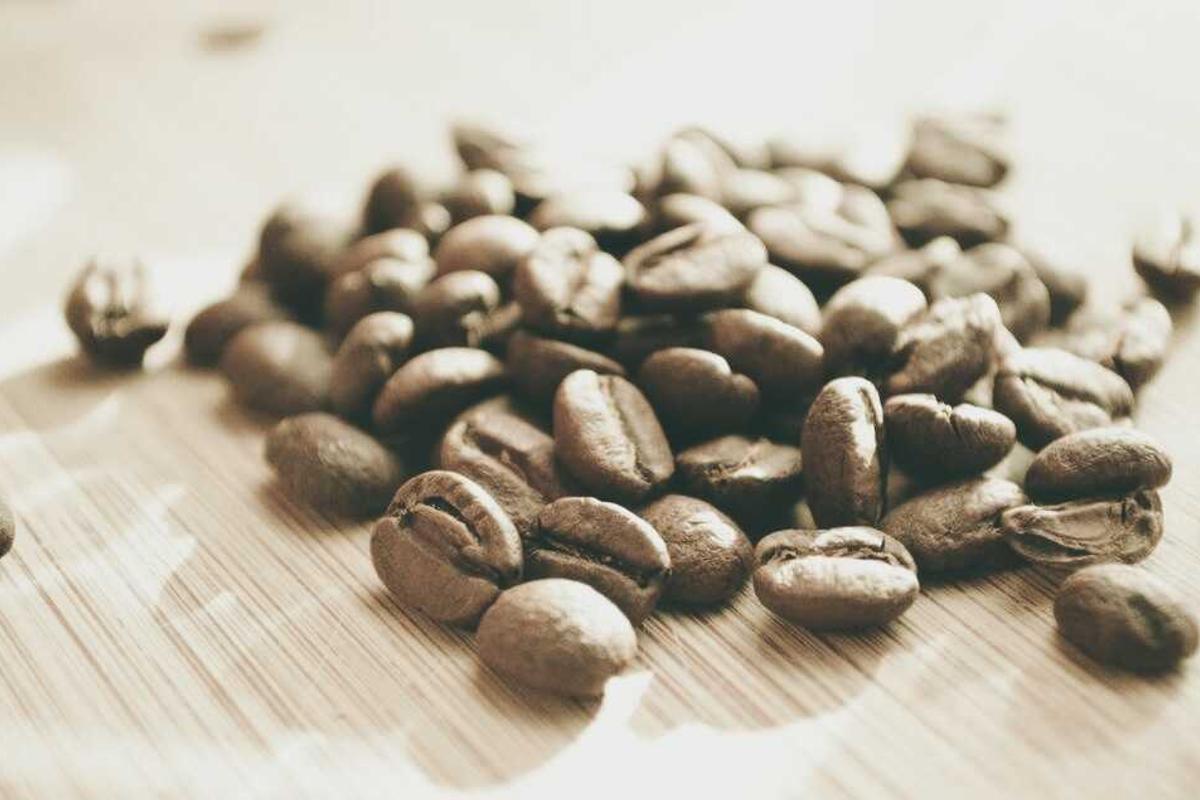
The classic move is black tea with a plate of seeds—no sugar, just the bitterness of the brew against the salt of the seed. In Kashgar’s old city I once spent two hours at a single table sharing badam with a shopkeeper who refused to let me pay; that is the point of the snack. It buys friendship.
A Buyer’s Phrase Sheet
| Uyghur / Chinese | Meaning |
|---|---|
| tatliq? | sweet / tasty? (asking if good) |
| bugün qilghan | made today |
| tuzsiz | without salt |
| qancha pul? | how much? |
Most roasters speak some Mandarin even if Uyghur is their first language; a smile and these few words get you far.
North vs South: A Subtle Difference
In the north (Urumqi, Ili) sunflower and pumpkin seeds dominate, often lightly salted and very moreish. In the south (Kashgar, Hotan) badam and walnuts take center stage, and you will find sweeter, oilier roasts. Neither is “better”—they simply reflect what grows nearby, and tasting both is its own small tour.
Are They Actually Good for You?
In moderation, yes. Sunflower and pumpkin seeds bring healthy fats and magnesium; badam and walnuts add protein and vitamin E. The catch is salt and portion size—a plate shared slowly over two hours is fine; a whole bag eaten in one sitting is not. I treat them as a social food, not a superfood, and that mindset keeps the pleasure without the regret.
Seed Etiquette at the Tea Table
There is a quiet rhythm to it: you crack, you listen, you reply, you crack again. Never hog the plate; push it toward your companion after you take a few. And if an elder offers you the last handful, accept—it is a small honor, not a burden, and refusing can read as cold.
A Note on Freshness
The gap between a fresh roast and a stale one is night and day. Fresh seeds snap cleanly and smell nutty; stale ones are chewy and faintly sour. At a busy stall turnover is high, so freshness is almost guaranteed. At a quiet shop, ask to taste first—any decent vendor will oblige, and it saves you a bad purchase.
Carrying Them Home
Seeds travel well. Keep them in a sealed bag inside your main luggage rather than a cabin bag, where shells can spill. Vacuum-sealed nuts survive the longest; buy a few extra packs as gifts—they are light, cheap, and genuinely appreciated by anyone back home who likes to snack.
Eating Them the Local Way
There is a technique, and locals make it look effortless. You place a seed between your front teeth, give a gentle crack, split the shell with your tongue, and spit the husk into a small dish or your cupped hand—never on the floor. The kernel is the reward. It takes a try or two to get the pressure right; crack too hard and you lose the seed, too soft and it won’t open. Within a day you will be keeping pace with a tea-house regular, and that small competence earns a nod of respect.
A Quiet Lifesaver on Long Drives
Xinjiang’s distances are enormous—six hours between towns is normal. A bag of seeds or nuts is the perfect car snack: it occupies the hands and the mind without crumbs or sticky fingers, and it keeps blood sugar steady between the big lamb-heavy meals. I have handed a pack to restless traveling companions more than once and watched the mood in the car lift. Just keep a bottle of water handy, because the salt builds quickly.
Straight answers to what visitors ask
Are Xinjiang seeds safe to eat (melon/watermelon seeds)?
Yes. They are roasted, not raw, and sold by weight from licensed stalls. If a batch looks dusty or smells rancid, skip it—freshness is everything.
What does “badam” mean?
It is the Uyghur/Persian word for almond, borrowed across Central Asia. In Xinjiang it almost always means the sweet local almond, not the bitter variety.
Can I bring seeds and nuts home?
Roasted, commercially sealed packs usually clear customs, but many countries restrict raw nuts. Keep receipts and declare them; shells-on seeds are often flagged, so buy vacuum-sealed.
Are they very salty?
Roasters salt to local taste, which is moderate. If you watch your sodium, ask for “tuzsiz” (salt-free) batches—some shops do it on request.
What is the etiquette of sharing?
Push the plate toward your guest first. Leaving the bowl untouched reads as standoffish; cracking seeds together is the local version of breaking bread.
Any nut allergy risks?
Cross-contact is common in open bazaars. If you have a serious tree-nut allergy, stick to sealed supermarket packs and read labels carefully.