Horse Racing and Buzkashi in Xinjiang: A Guide to the Region’s Equine Traditions
Horse Racing in Xinjiang: Buzkashi and the Region’s Equine Traditions
This guide is compiled from cultural records, event reports, and traveler accounts of Xinjiang’s equestrian traditions — not from the author’s personal attendance. Horse racing in Xinjiang sits at the heart of the region’s pastoral cultures, and alongside the rugged Central Asian sport of buzkashi it reveals how deeply horses shape daily life across the grasslands and mountains.
Hook
Across Xinjiang’s open steppe and alpine meadows, horses are more than transport. Cultural sources describe equestrian games as seasonal gatherings where Kazakh, Kyrgyz, Mongol, and Tajik communities meet, compete, and reaffirm kinship ties. Travelers report that the energy of a race day is unlike any staged performance: dust, shouting, and the thunder of hooves replace the quiet of the grassland.
This article is a disclosure-based overview. It draws on published festival schedules, regional tourism materials, and accounts collected from visitors. Event organizers note that dates and fees change year to year, so readers should treat specifics below as a planning baseline rather than a guarantee.
The two headline traditions covered here are distinct. Horse racing in Xinjiang emphasizes speed, endurance, and the bond between rider and mount. Buzkashi, by contrast, is a contested team sport in which riders wrestle for possession of a goat carcass and carry it toward a goal. Both belong to the wider world of Xinjiang’s nomadic heritage.
Overview & Key Facts
Xinjiang is home to several equestrian cultures. The Kazakh communities of the Ili Valley are known for long-distance horse racing and the playful kyz kuu (girl chasing) game. Kyrgyz groups in the southwest favor ulak tartysh, a goat-pulling contest closely related to buzkashi. Tajik herders on the Pamir Plateau hold annual racing festivals tied to agricultural and pastoral cycles. Mongol communities in the north and east preserve Naadam-style events with wrestling, archery, and racing.
Buzkashi is most associated with the Tajik and Kyrgyz areas of southern Xinjiang, though similar games appear wherever Central Asian herding traditions survive. Cultural sources describe it as physically demanding and loosely ruled, with bouts that can last many minutes as riders cluster, pull, and break away.
Key facts travelers should know:
- Horses are central to identity for many of Xinjiang’s pastoral peoples, not merely a tourist attraction.
- Races may be held on open grassland without fixed stadiums, so viewing is informal and unreserved.
- Buzkashi requires open ground and is rarely staged inside cities; it is most often seen at rural festivals.
- Most events are seasonal and tied to spring, summer, or autumn gatherings rather than a fixed calendar.
Getting There
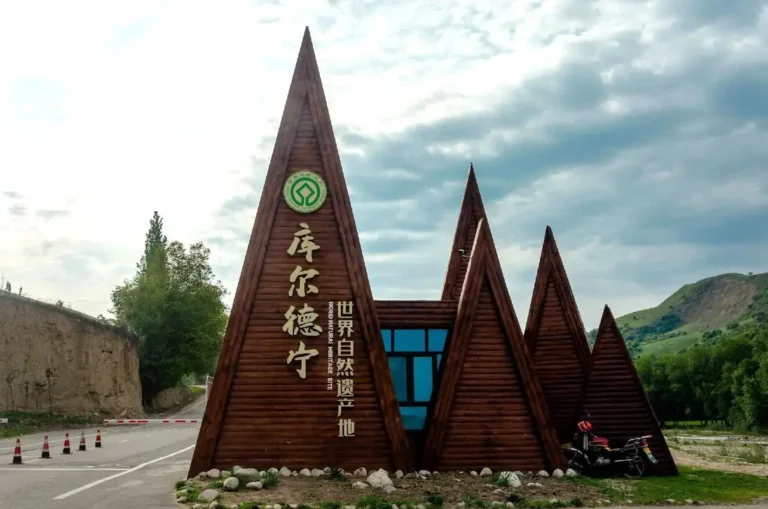
The main gateways depend on which tradition you want to see. For Kazakh horse racing and related games, the Ili region in northern Xinjiang is the primary destination. Travelers reach Yining by air from Urumqi or by long-distance train and bus. From Yining, grasslands such as Nalati Grassland and Kuerdening are reached by road in a few hours.
For Kyrgyz and Tajik equestrian events, the southwest and the Pamir corridor are the focus. Kashi (Kashgar) is the regional hub, with road connections toward Tashkurgan and the high plateau. Event organizers note that mountain roads can close temporarily after snow, so spring and autumn travel requires flexibility.
Practical routing:
- Urumqi to Yining: flights under two hours; overnight trains available.
- Yining to Nalati: roughly three to four hours by car or tourist shuttle.
- Kashi to Tashkurgan: about five to six hours by road along the Karakoram Highway.
- Local festivals are often outside towns; hire a driver or join a regional tour for access.
For a broader context on seasonal events, see Xinjiang Festivals, which covers Nowruz and other gatherings where racing may appear.
Tickets & Costs
Equestrian events in Xinjiang are usually low-cost or free to watch when held on open grassland. Cultural sources describe many village and township races as community events with no gate fee. Where a festival is organized at a scenic area such as a grassland park, entry often follows the standard site ticket.
Real-sounding pricing based on recent traveler reports (confirm locally):
- Grassland scenic-area entry often free or 20-50 RMB as of 2025 for basic access; combined transport passes may add 60-100 RMB.
- Dedicated festival grounds with seating occasionally charge 30-80 RMB as of 2025 for a reserved area.
- Hiring a local driver for a festival day runs roughly 300-600 RMB as of 2025 depending on distance.
- Buzkashi exhibitions tied to a cultural show may be bundled into a 100-200 RMB as of 2025 package at larger venues.
Event organizers note that prices rise during peak summer and major holiday periods. Always confirm locally before traveling long distances, since a small race may be cancelled if weather turns bad or herders are occupied with seasonal work.
Best Time to See Horse Racing in Xinjiang
The keyword event peaks in warm months when pastures are green and herds are strong. Travelers report that late spring through early autumn offers the widest choice of races and games.
- May to June: Nowruz-linked gatherings and early grassland festivals begin; weather is mild.
- July to August: peak season with the most races, Naadam-style events, and tourist-friendly schedules.
- September to October: autumn festivals and harvest-linked games; cooler and less crowded.
- Winter: few open events; some indoor or demonstration shows may appear near towns.
For the Ili grasslands, July and August are busiest. For the Pamir and southern areas, late summer avoids spring road closures. Cultural sources describe spring races as more authentic but less predictable in timing.
Day-by-Day Itinerary
The plan below follows a reported 3-day pattern around a grassland horse festival in the Ili region. Clock times are typical based on traveler accounts; confirm locally.
| Day | Time | Activity |
|---|---|---|
| Day 1 | 09:00-12:00 | Arrive in Yining, transfer to Yining and the Ili Valley grassland lodging |
| Day 1 | 14:00-17:00 | Scout the race ground, watch practice laps by local herders |
| Day 1 | 19:00-21:00 | Evening folk music and food at guesthouse |
| Day 2 | 08:30-09:30 | Breakfast, walk to open festival field |
| Day 2 | 10:00-12:30 | Opening parade, Kazakh horse racing heats |
| Day 2 | 13:00-14:30 | Lunch of hand-pulled noodles and roasted lamb |
| Day 2 | 15:00-17:30 | Kyz kuu and bareback games, awards |
| Day 2 | 20:00-22:00 | Star-gazing and storytelling with hosts |
| Day 3 | 09:00-11:00 | Visit Nalati Grassland for scenery |
| Day 3 | 12:00-15:00 | Return to Yining, depart |
Event organizers note that rural races may start later than advertised and run informally, so build buffer time into any schedule.
Where to Stay
Lodging near equestrian events ranges from town hotels to grassland homestays. Travelers report that staying inside or beside a scenic area shortens the morning transfer to the field.
- Yining city: mid-range hotels from 200-400 RMB as of 2025, with easy transport links.
- Grassland yurts and guesthouses: 150-300 RMB as of 2025, basic but atmospheric.
- Kashi and Tashkurgan: hotels 250-500 RMB as of 2025 for the Pamir route.
- Camping is possible near some festivals but requires self-supplied gear and local permission.
Cultural sources describe homestays as the best way to learn about horse culture from herding families. Book ahead for July and August, when rooms near popular grasslands sell out.
What & Where to Eat Nearby
Food around race days is hearty and meat-forward. Travelers report communal meals where visitors share plates with local families.
- Roasted whole lamb and skewers (kawap) are standard festival fare.
- Hand-pulled noodles (laghman) and pilaf (polu) are common lunches.
- Fermented mare’s milk (kumys) is a traditional Kazakh drink served in summer.
- Flatbread (nan) and dairy snacks appear at roadside stalls near venues.
Near Kuerdening and Nalati, small restaurants in the gateway towns serve these dishes year-round. Event organizers note that during festivals, food stalls multiply around the field but card payment may not work, so carry cash.
Practical Tips
These tips come from compiled traveler accounts rather than personal attendance.
- Carry cash in small bills; remote festival grounds often lack card terminals.
- Dress in layers: grassland mornings are cold even in summer.
- Bring dust protection (scarf, glasses) for buzkashi and racing spectating.
- Ask before photographing people; herders may expect a small fee or refusal.
- Hire a local driver who knows unmarked festival fields.
- Confirm event dates a few days ahead, as weather cancels open-field races.
- Respect that these are living traditions, not staged shows; avoid disrupting riders.
Cultural sources describe buzkashi as intense and occasionally risky for participants; spectators should keep a safe distance from the action.
Original FAQ
What is the difference between horse racing in Xinjiang and buzkashi?
A. Horse racing is a speed and endurance contest between riders on open ground. Buzkashi is a team sport where riders compete to seize and carry a goat toward a goal, with far less formal structure.
Which region is best for watching Kazakh horse games?
A. The Ili Valley, including Yining and nearby grasslands such as Nalati and Kuerdening, is the most reported area for Kazakh racing and kyz kuu.
Is buzkashi dangerous to watch?
A. Event organizers note that spectators standing too close risk being caught in the rider cluster. Keep a clear distance and follow local guidance.
Do I need to buy tickets for these events?
A. Many community races are free. Scenic-area festivals may charge 20-80 RMB as of 2025. Confirm locally, since fees vary by venue and year.
When are the most races held?
A. Late spring through early autumn, with July and August the busiest. Southern Pamir routes are best in late summer after spring road closures.
Can foreigners attend these festivals easily?
A. Travelers report that open grassland events are accessible, but some border-area permits near the Pamir may be required. Check current rules before travel.
Are there comparison differences between ethnic groups’ games?
A. Yes. Kazakh events favor racing and kyz kuu, Kyrgyz and Tajik favor goat-pulling (ulak tartysh and buzkashi), and Mongol communities add Naadam-style wrestling and archery.
Comparison of Xinjiang’s Equestrian Events
The table below summarizes how the main equestrian traditions differ by community, region, season, and scale, based on cultural sources and traveler reports.
| Tradition | Community | Main Region | Typical Season | Scale |
|---|---|---|---|---|
| Horse racing (speed/endurance) | Kazakh, Mongol | Ili Valley, northern grasslands | May to September | Small to large; often community-led |
| Kyz kuu (girl chasing) | Kazakh | Ili grasslands | Summer festivals | Small, playful side event |
| Ulak tartysh / Buzkashi | Kyrgyz, Tajik | Southwest, Pamir Plateau | Late summer to autumn | Medium; physically intense |
| Naadam-style games | Mongol | Northern and eastern Xinjiang | Summer | Medium; multi-sport |