Stargazing in Xinjiang: Dark Skies, Best Sites, and an Astro-Tourism Guide
This guide is compiled from publicly available astronomy data, dark-sky classifications, and traveler reports, not from the author’s personal observation. Stargazing in Xinjiang has drawn growing attention because the region combines high altitude, dry air, and low population density, which together create some of the darkest night skies accessible in China.
Hook
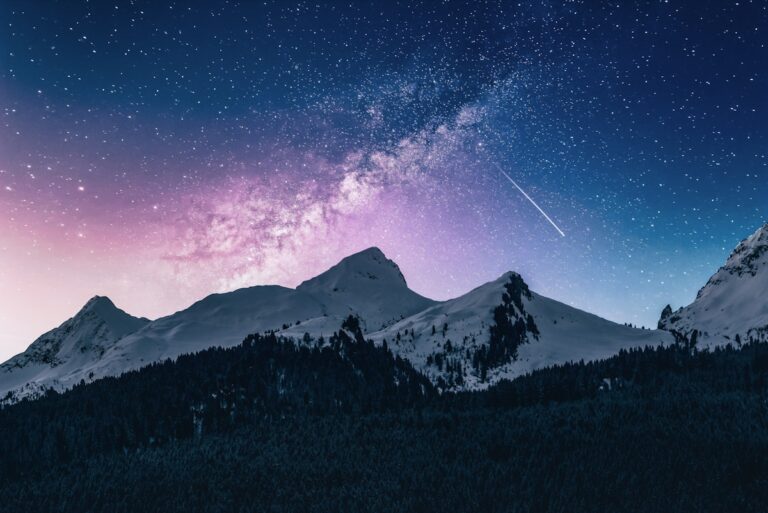
This guide is compiled from publicly available astronomy data, dark-sky classifications, and traveler reports, not from the author’s personal observation. Across the vast grasslands, lakes, and deserts of the region, astronomy sources state that several locations record Bortle class 2 to 3 skies, meaning the Milky Way is visible to the naked eye on clear, moonless nights. Travelers report that the lack of artificial light along remote highways makes roadside stops surprisingly productive for casual skywatching. Official park materials note that designated scenic areas are beginning to promote night-sky viewing as a seasonal activity, though facilities remain limited outside peak summer.

What to know first
Xinjiang spans a huge area with contrasting landscapes, from the Tianshan mountains in the center to the Taklamakan desert in the south and the grasslands of the north. Astronomy sources state that the region’s continental climate brings low humidity, which reduces atmospheric interference and improves transparency for observing. Key facts travelers should know before planning:
- Latitude range: roughly 34 degrees to 49 degrees north, giving long summer twilights at higher latitudes.
- Typical dark-sky sites sit between 1,000 and 2,500 meters above sea level.
- Light pollution is low across most rural counties, but grows near Urumqi and other city clusters.
- The Milky Way core is best seen from late spring through early autumn in the pre-dawn or late-evening hours.
- Many remote sites have no on-site lighting, no food service after dark, and limited mobile signal.
For readers interested in capturing the sky, the Xinjiang photography guide covers camera settings and location choices that also apply to night sky work.
Arriving by road
Most stargazing destinations in Xinjiang are reached by a combination of flight, long-distance rail, and road travel. Urumqi Diwopu International Airport is the main entry point, with domestic connections from major Chinese cities. From there, travelers report that renting a car or joining a guided tour is the most reliable way to reach dark sites, because public buses rarely run late enough to return after a night session.
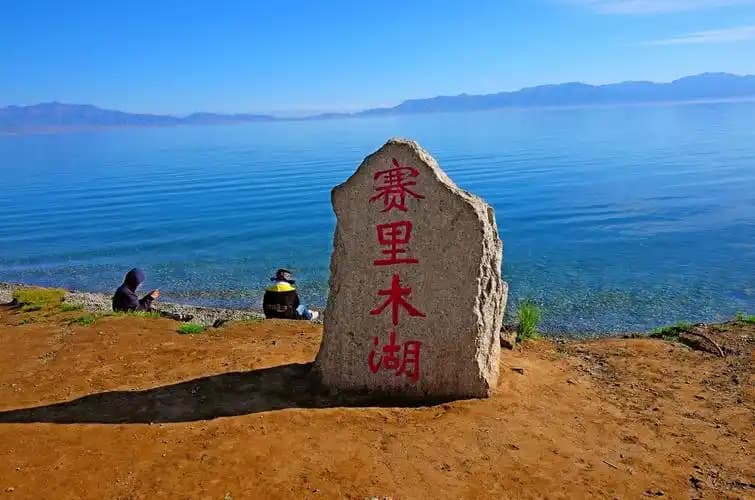
For northern sites such as Sayram Lake and Kanas Lake, the gateway cities are Yining and Altay respectively, both served by regional flights in summer. Southern desert routes toward the Taklamakan are usually accessed from Kashgar or Korla by private vehicle. Astronomy sources note that distance between towns can exceed 200 kilometers, so a full fuel tank and offline maps are essential before heading into dark zones.
Prices at the gate
Entry fees for scenic areas vary by season and by whether a vehicle permit is required. Based on published rate cards and traveler reports, the following ranges are typical as of 2025:
| Site | Entry fee (2025) | Vehicle pass | Notes |
|---|---|---|---|
| Sayram Lake scenic area | 35 to 70 RMB | 50 to 100 RMB | Price varies with ring-road access |
| Kanas Lake reserve | 100 to 185 RMB | Included in shuttle | Higher in peak summer months |
| Tianshan grassland sites | 40 to 90 RMB | 20 to 60 RMB | Some free village viewpoints |
| Desert viewing areas | Free to 60 RMB | Varies | Often no formal gate |
These figures are estimates and change year to year. Travelers should confirm locally at the ticket window or via official park materials before arrival, because discounts for off-season and student rates are common but not guaranteed.
Best Time to Visit for Stargazing in Xinjiang
The keyword focus for this section is clear: Stargazing in Xinjiang works best between May and October, when nights are warmer and access roads are open. Astronomy sources state that the Galactic core is most visible from June to August, but this also coincides with the busiest tourist season and occasional summer storms. Travelers report that September offers a good balance, with cooler air, stable high pressure, and fewer crowds.
Winter brings extremely clear skies and long nights, but temperatures can fall below minus 20 Celsius at high sites, making equipment and vehicle preparation difficult. The best time to visit Xinjiang overview explains the broader seasonal pattern, and the same months that suit landscape travel generally suit night sky viewing as well.

The itinerary I would follow
The following 3-day plan is built around a base near a northern lake site. Clock times reflect summer civil twilight, which ends late at high latitude. Adjust for season and moon phase.
| Day | Time | Activity |
|---|---|---|
| Day 1 | 16:00 | Arrive at base, check gear, scout horizon |
| Day 1 | 20:00 | Dinner, then rest before dark |
| Day 1 | 22:30 | First observing session, orient with Polaris |
| Day 1 | 01:00 | Milky Way core rises, long-exposure photos |
| Day 2 | 10:00 | Daylight rest, visit nearby lake shore |
| Day 2 | 18:30 | Light meal, prepare for late night |
| Day 2 | 22:00 | Second session, track planets if visible |
| Day 2 | 02:30 | Meteors or deep-sky objects, pack up by 04:00 |
| Day 3 | 12:00 | Checkout, drive to next dark site |
| Day 3 | 21:00 | Final short session at new location |
Travelers report that building in daytime rest is important, because observing sessions often run past local midnight and sleep schedules shift.
Beds and rates
Lodging near dark-sky sites ranges from county hotels to lakeside yurts and desert camps. Official park materials note that lakeside guesthouses inside scenic areas usually close outside the May to October window. Travelers report that staying inside or adjacent to a reserve reduces drive time after dark, which matters when temperatures drop quickly.
For Kanas and Sayram, bookable cabins and hotels exist within a short drive of the main viewing points. In desert areas, travelers often use nearby township hotels and drive out to a dark pull-off. Astronomy sources advise choosing accommodation at least 10 kilometers from any town to avoid stray light from street lamps.

What & Where to Eat Nearby
Food options near remote stargazing sites are limited after sunset. Travelers report that county towns along the northern route offer hand-pulled noodles, grilled lamb, and baozi during daytime hours, while inside scenic areas only seasonal cafes operate in summer. Astronomy sources suggest carrying your own water, nuts, and warm drinks, because observing keeps the body idle and cold.
Near Sayram Lake, Yining city has the widest restaurant choice before entering the park. Near Kanas, the town of Burqin is known for its night market and fish dishes during the open season. Desert travelers should stock up in Kashgar or Korla, since roadside stops may have no food after dark.
Real-world notes
- Check the moon phase: a new moon week gives the darkest sky. Astronomy sources state moonlight can erase the Milky Way.
- Bring red flashlights only. White light ruins night vision and bothers others.
- Dress in layers. Ground temperatures at 2,000 meters drop fast after midnight even in summer.
- Use offline star maps. Mobile signal is weak at most dark sites.
- Carry spare batteries. Cold drains camera and phone batteries quickly.
- Tell someone your plan. Remote roads have little traffic after dark.
- Respect local rules. Some reserves restrict night driving or open fires.
Light Pollution and Why Xinjiang Wins
Most of Xinjiang sits far from major urban glow. Travelers report that even roadside pull-offs an hour outside regional cities show the Milky Way with the naked eye in clear months. The region’s dry continental climate also means frequent cloud-free nights, especially in autumn and winter, which is why astronomy sources flag it as one of China’s stronger dark-sky candidates. Park authorities note that high-altitude sites such as Sayram Lake and the Tianshan passes combine thin air with low humidity, sharpening star visibility further.
Photographers planning a session should still check the lunar calendar. A bright moon washes out faint objects, so aiming for the new-moon window of any given month dramatically improves results. Official travel materials remind visitors that some protected zones restrict overnight stays, so confirm whether a viewpoint allows late access before you commit to a long drive.
What You Can Expect to See
Depending on the season and site, travelers report views of the summer Triangle, the winter Orion belt, and meteor showers such as the Perseids in August and the Geminids in December. The lack of atmospheric moisture at altitude reduces twinkle, giving steadier images for those using cameras. Astronomy sources recommend allowing at least 20 minutes for your eyes to adapt after leaving any lit area, since the difference between adapted and unadapted vision is dramatic in true dark conditions.
What travellers ask
Is stargazing in Xinjiang possible without a telescope?
Yes. Astronomy sources state that Bortle 2 to 3 sites show the Milky Way and many constellations with the naked eye. A telescope helps for planets and faint objects but is not required for a good experience.
Which site has the least light pollution?
Travelers report that remote desert pull-offs and high grassland passes score lowest on light-pollution maps. Among managed sites, areas far from county seats such as deep Tianshan locations tend to be darker than lake resorts near towns.
Do I need a guide for night sky trips?
Not always. Self-driving works if you prepare routes and check weather. Official park materials note that guided night tours are offered at some scenic areas in summer for those who prefer local knowledge.
What camera settings work for Xinjiang night skies?
Astronomy sources and photography guides suggest a wide fast lens, ISO 1600 to 3200, 15 to 25 second exposures, and a sturdy tripod. The linked Xinjiang photography guide gives more detail on location and timing.
Are there dark-sky festivals in the region?
Travelers report small seasonal events at a few scenic areas, usually tied to meteor showers like the Perseids in August. These are informal and change yearly, so confirm locally before planning a trip around them.
Can children join stargazing trips?
Yes, but plan shorter sessions. Official park materials note that family-friendly viewing points exist near some lakes, with parking and short walks. Keep warm clothing and early bedtimes in mind for young travelers.
How cold does it get during a summer night session?
Astronomy sources state that at 1,500 to 2,500 meters, nighttime lows in July can reach 5 to 12 Celsius, and near freezing at higher passes. Wind adds chill, so insulated jackets are standard gear.