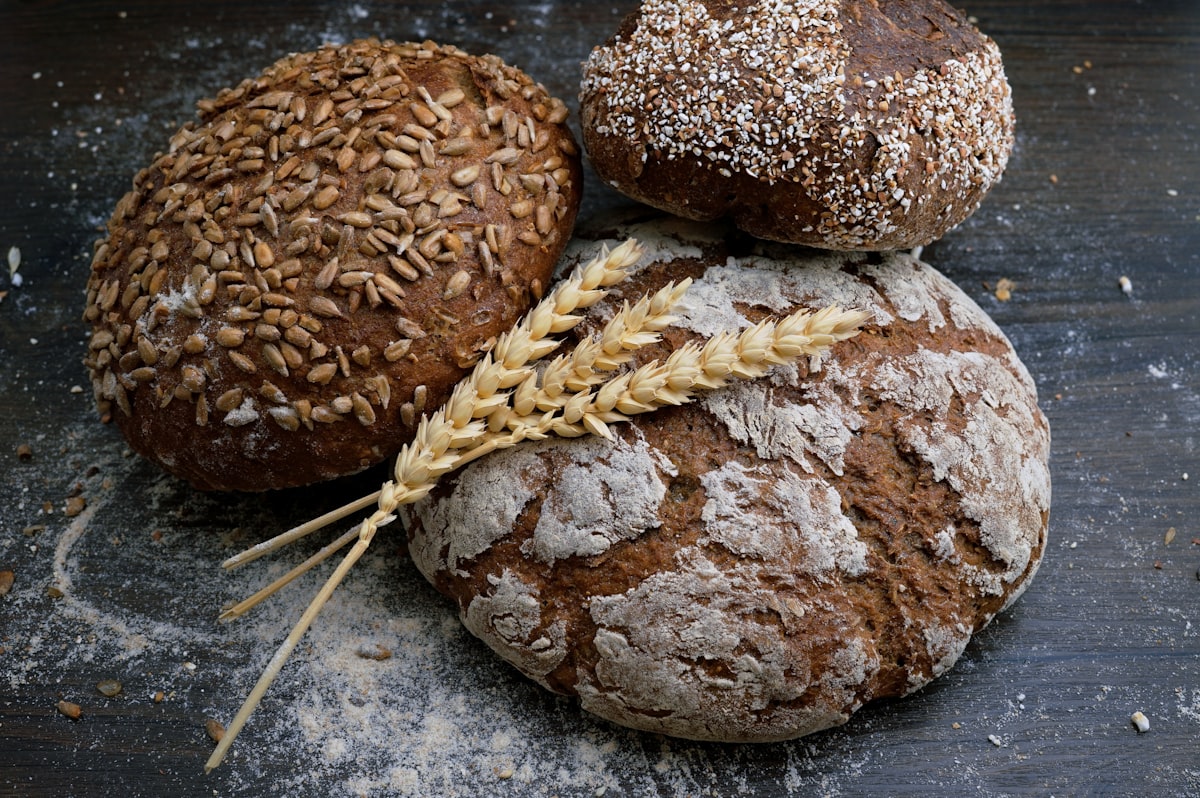
Xinjiang Bread Beyond Naan: Sangza, Girde, Toqach and the Region’s Other Baked Goods
Why Xinjiang Bread Is Worth More Than a Photo
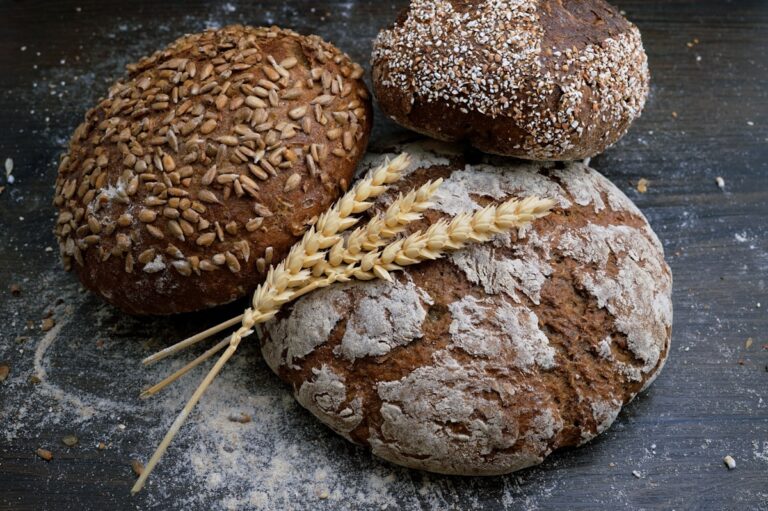
In the bazaars of Xinjiang, bread is everywhere, and most of it is not the round naan that travelers photograph first. The phrase Xinjiang bread covers a much wider family of baked and fried goods, from thin crisp sangza coils stacked high at festival time to thick girde rings pulled smoking from a clay oven. Walking through Kashgar’s Old City on a normal morning, you pass bakery after bakery with different shapes leaning in the window: small bagel-like discs, long flat sheets, deep-fried nests. This guide goes past the headline naan to the breads and snacks that locals actually buy by the piece every day.

Top-line facts
Xinjiang’s bread culture is built around the tandoor, a cylindrical clay oven called a tonur (馕坑). Dough is slapped against the hot inner wall and bakes fast, which gives most breads a blistered bottom and a softer top. Naan (馕) is the staple and the most written-about, but it is only one branch of a much larger tree.
The breads covered here fall into three loose groups. First, the tandoor-baked flatbreads and rings: girde nan, toqach, oil naan, sesame naan, meat naan and the large thin aiman sheets. Second, the fried and ash-baked items: sangza (馓子), a crisp coiled snack, and kömech, bread baked under hot ash. Third, the filled pastries that are baked rather than steamed or fried: samsa (烤包子), and the pigeon or lamb pies found in Kashgar. Travelers should treat these as distinct foods, even when a menu lumps them together under “bread.”
Cultural weight matters. Bread is traditionally treated with respect across Uyghur and other local communities: it is not thrown away casually, and it is not placed face-down on the ground. In some customs it appears as a gift item at weddings and engagements. These are reported practices, not rigid rules enforced on visitors, but the etiquette is worth knowing before you handle a loaf.
Getting There: Where to Find These Breads in Xinjiang
You do not need a special itinerary to find Xinjiang bread. The question is which city and which kind of market gives you the widest selection.
Kashgar is the strongest single destination. The Old City is dense with neighborhood bakeries, and the Kashgar Sunday Bazaar gathers bread sellers from across the prefecture. Kashgar is also where you find pigeon pies and the thicker girde styles most often.
Urumqi, the capital, has the largest volume and the most variety in one place. The Urumqi food scene mixes southern Xinjiang styles with northern and Han influences, so you can compare a Kashgar girde next to a lighter local round in the same morning.
Turpan and Hotan are smaller but rewarding. Turpan’s dry heat produces a distinct thin, long-keeping naan that travelers buy for road trips. Hotan markets lean toward sesame-heavy and oil-rich breads. In all four cities, the bakery district is usually near the main bazaar or the old town edge, not inside a shopping mall.
Tickets & Costs: What Xinjiang Bread Actually Costs
There are no tickets for bread. You buy it loose, by the piece or by weight, from a bakery counter or a bazaar stall. Prices are low and local, and they shift with flour and oil costs year to year.
As of 2025, a standard naan or toqach typically runs about 2 to 5 RMB a piece at a neighborhood bakery. Larger or enriched breads (oil naan, sesame naan, meat naan) sit in the 4 to 10 RMB range. Sangza is often sold by weight rather than piece, commonly around 20 to 40 RMB per 500 grams at festival season, though travelers report wide variation by city and packaging. Samsa is usually priced per piece, roughly 3 to 8 RMB depending on filling and size.
Breads are sold the way fruit is sold: you point, the baker bags it, you pay. At bazaars the same piece might be a yuan cheaper than at a fixed shop. None of these are fixed-tourist prices, which is part of the appeal. Do not expect menus with photos; expect a stack and a gesture.
Best Time to Visit for Bread
Bread is a year-round food, but the calendar changes what you see. Mornings are the best daily window. Most bakeries fire their first tandoor batch before 08:00, and the early rounds are the freshest and least picked-over. By mid-afternoon many shops have sold their best stock.
Summer and autumn are peak traveling seasons, and bakeries run fuller schedules. Winter slows things; some small shops shorten hours, but the thick oil-rich breads actually keep better in cold dry air, and travelers report buying a week’s naan for a road trip without spoilage.
The clearest seasonal spike is festival time. During Eid al-Fitr (locally Rozi Heyt) and Eid al-Adha (Qurban Heyt), sangza appears in tall stacked pyramids at homes and shops, and bakeries add sweet and nut-enriched breads. If you want to see sangza at its most visible, plan around these holidays. Travelers should note that during the daytime fasting of Ramadan, many bakeries shift to pre-dawn and post-sunset baking rather than midday.
Day-by-Day Itinerary: A Timed Bread-Tasting Day
This is a single realistic day built around bakery timing, not a multi-day plan. Times reflect when bread is actually fresh.
- 07:30 — First tandoor batch. Reach a neighborhood bakery as it opens. Buy a fresh girde nan and a toqach straight off the wall; the center of a girde is still soft and steaming.
- 09:00 — Morning bazaar walk. At the main bazaar, compare sesame naan and oil naan side by side. This is also when sangza vendors are setting up if it is festival season.
- 12:30 — Lunch with bread as the base. Order samsa from a tandoor shop and tear a flat naan to dip in shorpa (mutton broth). The broth-softened edge is a common local way to eat plain bread.
- 15:00 — Second bakery round. Mid-afternoon is when shops sometimes bake a smaller second batch; good for a thick meat naan if you missed the morning.
- 17:00 — Sweet stop. Buy sangza or a nut bread for the evening. If near Kashgar, look for pigeon pie at a specialist stall before it sells out.
- 20:00 — Evening repeat. Many bakeries fire once more after dinner demand; a late girde makes a good breakfast for tomorrow.
Where to Eat: Bakery and Bazaar Neighborhoods by City
This section describes the kinds of places, not verified named shops, since specific recommendations change and I cannot confirm individual storefronts.
Kashgar: the Old City lanes hold small one-oven bakeries, often run by a single family, with a window onto the street. The Kashgar street food night market is where fried and filled items come out hottest, including samsa and sweet coils late into the evening.
Urumqi: look for bakery rows near the big bazaars and around the international market district. The capital’s size means you can find both southern-style thick breads and lighter northern rounds within a few blocks.
Turpan: the markets on the town edge are the reliable spot, with thin naan made for keeping. Hotan: the Sunday and daily markets favor sesame and oil breads, and travelers report good sangza around holiday periods.
In every city, a working bakery is easy to spot: a low doorway, the smell of charred wheat, and a stack of breads cooling on a tray outside. That is the place to buy, not a hotel buffet.
Food: The Individual Breads of Xinjiang
This is the core of the guide. Below are the breads you will actually meet, with texture, ingredients, and how they are eaten.
Naan (馕) is the baseline: a round flatbread, 15 to 30 cm, with a blistered bottom from the tandoor wall and light dims or a pattern pressed on top. Plain versions are daily fuel; sesame and oil versions are richer. It keeps for days and is the bread most travelers mean when they say Xinjiang bread. See the dedicated naan guide for the oven and regional types.
Girde nan (girdeh) is a smaller, thicker ring with a dimpled center, closer to a bagel in height than a flat naan. It is denser and chewier, often brushed with oil and scattered with sesame. Eaten on its own or split for a filling, it is a Kashgar favorite.
Toqach (toghach) is a thinner everyday round, lighter than girde, the bread most commonly bought by the piece for a household’s day. It softens fast and is the one to tear for dipping.
Aiman nan is a large, very thin sheet naan, sometimes near translucent, used for wrapping or as a base. Travelers report it as the lightest of the tandoor breads.
Oil naan (youta) and sesame naan are enriched versions: oil naan is softer and richer, sesame naan carries a visible seed crust. Both cost a little more and read as treat breads.
Meat naan (gosh nan) folds lamb or beef into the dough before baking, turning the bread into a meal. It is heavier and pricier than plain rounds.
Sangza (馓子) is the outlier: not baked but deep-fried. Thin strands of salted dough are coiled or nested into crisp golden lattices, then stacked. It is a festival snack above all, associated with Rozi Heyt and Qurban Heyt, where it sits in pyramids for guests. Travelers describe it as brittle, salty-savory, and addictive by the handful. It does not keep as long as naan once exposed to humidity.

Kömech is bread baked in hot ash rather than a wall oven, giving a softer, steamed-in-its-own-crust result. It is less common in city bakeries and more of a home or camp method, but worth knowing as part of the family.
Samsa (烤包子) is a baked lamb-filled pastry, pyramidal or round, cooked in the tandoor. It is related to bread but distinct as a filled item; the samsa guide covers it in depth. Kashgar also sells pigeon and lamb pies in the same baked tradition.
Shorpa-dipping breads are not a named type but a habit: plain naan torn and dropped into mutton broth (shorpa) until the edge softens. This is one of the most common ways locals finish a plain loaf.
| Bread | Local name | Shape & size | Texture | Typical price range (2025) | Best eaten with |
|---|---|---|---|---|---|
| Plain naan | 馕 (nan) | Round, 15-30 cm | Blistery bottom, soft top | 2-5 RMB/piece | Shorpa, tea, on its own |
| Girde | girde nan | Thick ring, 10-15 cm | Dense, chewy | 3-6 RMB/piece | On its own, split with filling |
| Toqach | توقاچ (toqach) | Thin round, 15-25 cm | Light, soft | 2-4 RMB/piece | Torn for dipping |
| Oil naan | ياغناn (youta) | Round, enriched | Soft, rich | 4-8 RMB/piece | Tea, as a treat |
| Sangza | 馓子 (sangza) | Coiled fried lattice | Crisp, brittle | 20-40 RMB/500g | Tea, festival guest snack |
| Samsa | 烤包子 (samsa) | Pyramidal pastry | Flaky, meaty | 3-8 RMB/piece | Eaten hot, standalone |
| Meat naan | گۆش نان (gosh nan) | Round, filled | Heavy, savory | 6-10 RMB/piece | Standalone meal |
Practical Tips for Buying and Eating Xinjiang Bread
- Buy in the morning. First batches are freshest; by afternoon the best shapes may be gone.
- Respect the loaf. Don’t drop bread face-down or step over it. Locals treat it with care, and visitors who mirror that are welcomed.
- Halal context. Most Uyghur bakeries are halal; avoid bringing non-halal meat near the bread or asking for pork items. This is a real local norm, not a tourist rule.
- Carry and keep. Naan and girde keep for days in dry air; wrap in cloth or a paper bag, not plastic, which traps moisture and softens the crust. Sangza wants a sealed container or it goes stale fast.
- Gifting. A stack of naan or a box of sangza is a normal host gift at festivals. If invited to a home, arriving with bread is appropriate.
- Hygiene. Bakeries are open-air by nature. Bread is baked hot, which is reassuring, but watch how it is handled after cooling and use your own bag if you can.
- Bargaining. At bazaars a small discount is sometimes possible on quantity, but bread is cheap enough that haggling hard reads as rude. A friendly “how much for five” is the right register.
- Dietary notes. Most plain breads are vegan (flour, water, salt, yeast, sometimes oil and sesame). Meat naan and samsa contain lamb or beef. Sangza is usually just flour, salt, oil.
Frequently Asked Questions About Xinjiang Bread
What is the difference between girde and toqach? Girde is a thicker, chewier ring with a dimpled center, while toqach is a thinner, lighter everyday round. Both are tandoor-baked, but girde reads as a richer, more filling bread.
Is sangza the same as naan? No. Naan is baked on the tandoor wall; sangza is deep-fried coiled dough. Sangza is a crisp festival snack, not a daily staple, and it is associated with Eid holidays rather than every meal.
Why is Xinjiang bread sometimes so large and thin? Thin sheets like aiman nan and the Turpan road-trip naan are made to keep well and feed groups. The dry climate lets them stay edible for days, which suits travel and storage.
Can I find these breads outside Kashgar and Urumqi? Yes. Turpan and Hotan both have active bakery and bazaar scenes, though with fewer types. Smaller towns usually have at least one neighborhood tandoor bakery.
How do I eat plain naan like a local? Tear it and dip the edge in shorpa (mutton broth), or pair it with tea. Plain naan is not usually eaten plain and dry; the broth or tea softens and seasons it.
Is bread in Xinjiang halal? Most bakeries run by Uyghur and other Muslim communities are halal, and pork is not used. As a visitor, respect that norm and don’t introduce non-halal items near the bread.
What is kömech and will I see it in a city? Kömech is bread baked in hot ash rather than a wall oven. It is more of a home or camp method, so city bakeries rarely sell it, but it belongs to the same bread family described here.