Sayram Lake Photography: Best Viewpoints, Light, and When to Shoot
{“@context”: “https://schema.org”, “@type”: “Article”, “headline”: “Sayram Lake Photography: Best Viewpoints, Light, and When to Shoot”, “url”: “https://www.xinjiangtraveltips.com/sayram-lake-ili-highway-ring-road-guide/”, “author”: {“@type”: “Organization”, “name”: “Xinjiang Travel Tips”, “url”: “https://www.xinjiangtraveltips.com/”}, “publisher”: {“@type”: “Organization”, “name”: “Xinjiang Travel Tips”, “logo”: {“@type”: “ImageObject”, “url”: “https://www.xinjiangtraveltips.com/wp-content/uploads/2026/01/logo.png”}}, “mainEntityOfPage”: {“@type”: “WebPage”, “@id”: “https://www.xinjiangtraveltips.com/sayram-lake-ili-highway-ring-road-guide/”}}
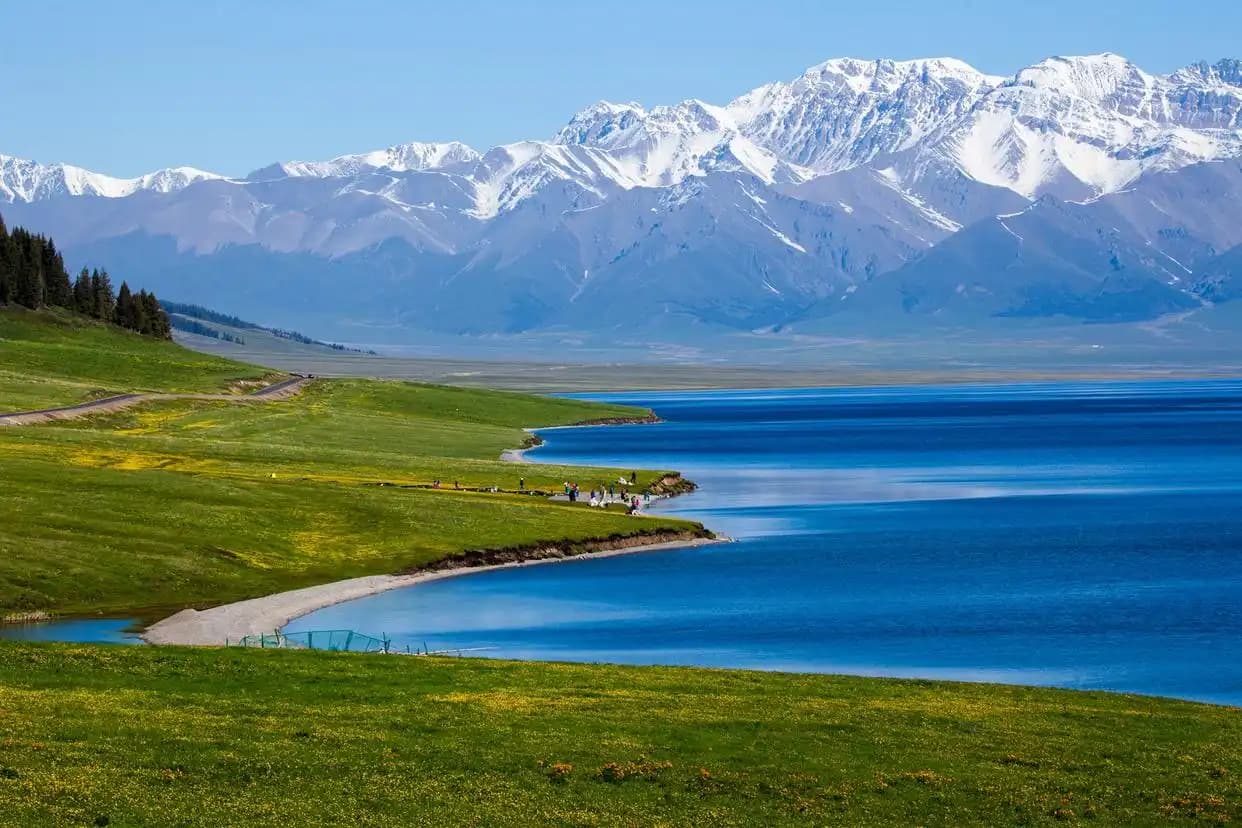
Sayram Lake (赛里木湖) is, more than anything else, a light lake. At 2,073 m in the Bortala–Ili corridor, it sits at the end of the westerly wind path, and that wind is the single biggest factor in whether your photos come home as postcards or as flat grey sheets. After running the ring road more times than I can count, the lesson is simple: the lake belongs to the first two hours after sunrise and the last hour before sunset. Everything in between is a gamble.
This is not a generic “best photo spots” list. It is a working method for Sayram specifically — where the wind tends to sit, which shore rewards which season, and how to actually shoot a place that changes colour by the hour.
Why the light here is unusual
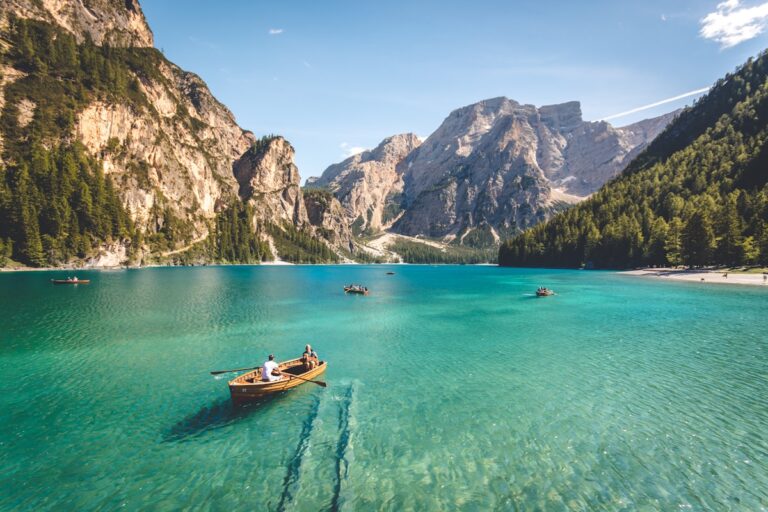
Sayram is oligotrophic and ice-fed, which gives it that impossible sapphire tone — but only when the surface is calm. The prevailing westerlies usually arrive mid-morning and chop the water into pewter by noon. So the practical rule:
- Sunrise to ~09:30 — glass-flat water, mirror reflections, soft side-light on the snow peaks. This is the window.
- 10:00–16:00 — wind builds, colour washes out, glare on the water. Shoot details, not wide scenes.
- 1 hour before sunset — a second calm often returns; warm light rakes across the reeds.
If you only have one pass, make it the morning. I have watched the same viewpoint go from mirror to mud in 40 minutes.
The ring road, viewpoint by viewpoint
The lakeside road runs roughly 70–90 km around the shoreline. Driving it clockwise from the east entrance, these are the stops that consistently deliver:
1. East shore causeway (first 15 minutes)
The entry reveal. Shoot back across the water toward the snow range; in early light the reflection is clean. Best at sunrise.
2. South shore reeds & swan shallows
Summer brings wildflowers and resident swans into the shallow margin. A long lens (200mm+) from the pull-offs here beats any wide shot. This is also the most family-friendly, flat section.
3. West shore mountain wall
The steep southern escarpment throws afternoon shade and gives the most dramatic “lake trapped in rock” frames. Good for layered compositions late in the day.
4. North inlet & outlet stream
Where the water narrows, you get foreground reeds, mid-ground water, and a far ridge — a classic three-layer landscape. Calm mornings only.
Seasonal subjects (shoot the right one)
- June–July: grassland wildflowers ring the lake and swans are on the water — the postcard season. Expect crowds at the main lots by 10:00.
- September–October: the surrounding grass turns gold, the wind drops, and the light gets honest. My favourite time to shoot.
- December–February: the lake freezes into “blue ice” — a surreal, crackled sheet. For that, see the off-season winter guide.
The checkpoints, honestly
Write down the address of tonight’s accommodation, because that is the question they ask. Nobody has ever been rude to me at one of these. They are tedious rather than dangerous, and the driver’s document pack is the only thing that makes them quick. You will stop at checkpoints. Keep passport and car documents in the glovebox rather than the boot so you are not unpacking in front of a queue. They are short, they are not hostile, and the whole process for a foreign plate takes longer than for a local one because the officer has to make an entry. For the part people underestimate, see our [[sayram-lake-guide-ili-highway-ring-road|Sayram Lake on a Budget: Free Viewpoints…]].
Where to sleep on the road and where to park
The county town on this route is where to overnight, not the scenic stop, because the scenic stops have no quiet parking and no kitchen open after eight. In Ili the hotels cluster along the through road and the value one is usually the second block back, five minutes from the misnamed central place and half the price. Ask for a room away from the yard, since the yard is where the trucks sleep. The short version, with the numbers, is in our [[sayram-lake-travel-guide|Sayram Lake for First-Timers: Half-Day vs…]].
Gear that actually matters here
- Polariser: cuts the glare and deepens the blue. Without it, midday shots are washed out.
- Telephoto (70–200 or longer): for swans and compression against the peaks.
- A windproof tripod: the same wind that ruins reflections will shake a flimsy tripod.
- Drone: tempting, but restricted near the shoreline and crowded areas — check current no-fly rules on arrival, don’t assume.
A simple shoot plan
Arrive at the east gate 30 minutes before sunrise. Shoot the causeway reveal, work the south-shore reed pulls with the long lens, then drive the west wall for late light. If you are self-driving the loop, the full route and Guozigou Bridge stop are covered in the ring-road driving guide.
For the complete visitor picture — tickets, access, and what to pack — start from the main Sayram Lake guide.