Kashgar Pigeon Soup (Kaptar Shorpa): Where to Find It and Why Locals Swear By It
The first time somebody handed me a bowl of pigeon soup in Kashgar it was 8:40 in the morning, the light was still grey over the old town, and I had genuinely no idea what I was being served. A small enamel bowl, a broth so clear you could see the pattern on the bottom, half a bird resting in it, a scatter of chopped celery leaf on top. The vendor mimed “drink” and went back to his pot. Twenty minutes later I understood why the three men beside me were there before work, and why they would be there tomorrow.
Kaptar shorpa — pigeon soup — is one of the few dishes in Xinjiang that almost no visitor orders and almost every local grandmother recommends. It is not a tourist dish. It is medicine, breakfast, and a small daily luxury rolled into one bowl, and it happens to be one of the cleanest, most delicate things you will eat in a region better known for grilled lamb and hand-pulled noodles. This is how to find it, how to order it, and what it actually tastes like.
What Kashgar Pigeon Soup Actually Is
The recipe is almost aggressively simple. A young pigeon, cleaned and usually halved, goes into water with very little else: sometimes a few strips of ginger, a pinch of white pepper, occasionally a handful of raisins or a few goji berries, occasionally nothing at all beyond salt. It simmers slowly — never a hard boil, because a hard boil clouds the broth and locals judge the bowl on clarity. What comes out is a pale golden liquid with a mild, almost sweet poultry flavour, thinner and more fragrant than chicken stock, with a faint mineral edge.
The meat is the secondary event. Pigeon is dark, fine-grained, and a little chewy, closer to duck leg than to chicken breast. You are meant to drink the broth first while it is scalding, then pick the bird apart with your fingers. Nobody will look at you strangely for using your hands; that is the expected method.
Why locals drink it
Ask anyone in Kashgar why they eat pigeon and you will hear a version of the same answer: it builds you back up. Uyghur folk medicine treats pigeon as a warming, restorative food, prescribed after illness, after childbirth, for weak lungs, for elderly relatives who have stopped eating properly. I have watched a man buy four bowls to take home in a plastic bag because his mother was recovering from surgery. Whether or not you accept the pharmacology, the cultural weight is real, and it explains the timing: pigeon soup is a morning food, eaten when the body is empty and supposedly most receptive.
How it differs from shorpa
Do not confuse this with the mutton shorpa you will meet everywhere else in the region. Mutton shorpa is a hearty, fat-slicked, vegetable-loaded broth eaten as a full meal. Pigeon soup is deliberately austere — no potato, no carrot, no tomato, no visible fat. If your bowl arrives cloudy and full of vegetables, you have been served something else.
| Feature | Kaptar shorpa (pigeon) | Mutton shorpa |
|---|---|---|
| Broth | Clear, pale gold, light | Opaque, fat on the surface |
| Add-ins | Almost none; maybe ginger, raisins | Potato, carrot, tomato, onion |
| Eaten as | Breakfast or restorative tonic | Lunch or dinner main |
| Typical time | 07:00-11:00 (local rhythm) | All day |
| Portion | Small bowl, half a bird | Large bowl with bread |
| Price band | Higher per volume | Cheap and filling |
Where to Find Pigeon Soup in Kashgar
There is no famous single address, and any guide that gives you one is probably out of date — these are small operations that move, close, and get inherited. What works is knowing the categories of place.
Old town morning stalls
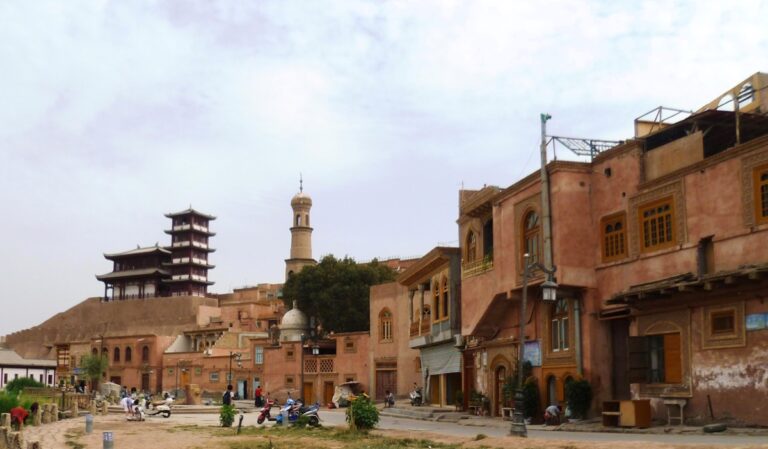
The lanes north and east of the Id Kah mosque, and the streets around the old handicraft alleys, hold several tiny shopfronts that sell nothing but soup. Look for a wide shallow pot on a low gas ring, a stack of enamel or steel bowls, and — the giveaway — a wire cage or crate of live birds at the back. If there are birds on site, that shop is doing pigeon. They typically open around seven and sell out by late morning.
Livestock and Sunday bazaar edges
The perimeter food rows of the big weekly markets are the most reliable place of all, because that is where the trade in live pigeons happens anyway. Walk the food stalls at the edge rather than the middle. Portions here are generous and prices are honest.
Sit-down Uyghur restaurants
Mid-range restaurants will often have pigeon on the menu as a separate item rather than a soup — steamed, or as a small clay-pot stew. It is a good fallback if you missed the morning window, though the broth is usually richer and less pure. If you want an overview of the wider eating scene before you narrow down, my Kashgar food guide maps out the neighbourhoods and meal timings in more detail.
Ordering: Prices and Phrases
Prices move, but the shape of the market has been steady. A single bowl with half a bird sits well above the cost of a noodle breakfast, and a whole bird prepared to take away costs considerably more. That is normal — pigeons are farmed in small numbers and the meat is treated as a premium item, not street filler.
| What you order | Typical range (CNY) | Notes |
|---|---|---|
| Small bowl, broth + half bird | 20-35 | Standard morning serving |
| Large bowl, whole bird | 40-70 | Often shared between two |
| Whole pigeon, takeaway in bag | 50-90 | Bought for someone unwell |
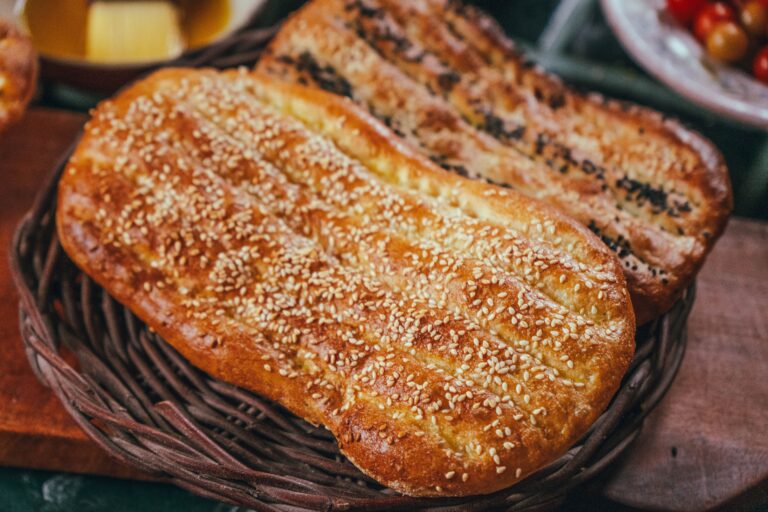
| Naan on the side | 2-5 | Almost always available |
| Restaurant clay-pot pigeon | 60-120 | Richer, dinner portion |
Three phrases that do all the work
Most stall owners speak Uyghur first and functional Mandarin second. “Kaptar shorpa” is understood everywhere. In Mandarin, gezi tang means pigeon soup. “Bir” is one. Holding up a finger and saying “kaptar shorpa, bir” has never failed me. If you want to know the price before committing — sensible, since these are the pricier bowls in town — point at the pot and say duoshao qian.
Practical etiquette
Sit where you are pointed, even if it means sharing a table with strangers; that is the norm. Drink the broth hot and reasonably fast — it is served near-boiling deliberately. Do not ask for chilli or vinegar to be added: the whole point is the unadorned broth, and asking will get you a patient but slightly disappointed look. Bones go on the table or in a small dish, not back into the bowl.
Timing, Seasons, and Who Should Skip It
Because it is a breakfast food, the practical window is narrow. Xinjiang runs on two clocks — official Beijing time and the local rhythm about two hours behind it — so “morning” in Kashgar means people are moving from around 09:00 or 10:00 on the official clock. Aim for that band. By 13:00 the soup shops are washing pots.
Autumn and winter are the classic seasons, when the tonic logic makes most sense and the bowl is most welcome. In midsummer heat you will still find it, but the queues are shorter and the birds smaller. If you are planning your route around food more broadly, the seasonal notes in the regional Xinjiang food guide are worth reading alongside this.
Honest caveat: this dish is not for everyone. If you are squeamish about seeing live birds beside the pot, this is not your breakfast. If you dislike small bones, pigeon is nothing but small bones. And if you were hoping for something bold and spicy, you will find this bowl almost shockingly plain. It rewards attention rather than announcing itself.

What tends to go sideways
The trap here: Pigeon soup safe to eat as a traveller
Yes, with the same rule you would apply anywhere: eat where the turnover is high and the pot is hot. The broth simmers for hours at temperature, which is about the safest preparation you can hope for. I have eaten it repeatedly with no trouble. Avoid a stall where the soup has clearly gone lukewarm and is being reheated for the third time.
Where people slip: Halal
Pigeon is permissible and the shops selling it in the old town are Muslim-run and slaughter accordingly. If it matters to you, look for the standard halal signage, which is nearly universal in Kashgar’s food streets.
The usual error: Cost
Not much — expect roughly the yield of a chicken wing and thigh combined, spread over a lot of fine bones. Locals order it for the broth, not for volume. Pair it with naan if you want breakfast to keep you going until lunch.
Easy to get this wrong: Finding pigeon soup outside kashgar
Occasionally in Hotan and Yarkand, and in a handful of Urumqi restaurants specialising in southern Xinjiang cooking. But Kashgar and the southern oases are where it is a genuine everyday habit rather than a novelty menu item.
The trap here: Needing to book
No booking, but do arrive in the morning. These are one-pot operations; when the pot is empty the day is over, and that can happen well before noon on a market day.
Where people slip: Drinking with it
Plain black tea, which will be on the table already. Skip the milk tea for once — its salt and fat will flatten the delicacy of the broth entirely.