Travel Insurance for Xinjiang: What to Cover Before You Go
I used to skip travel insurance on short trips. Xinjiang changed that. On my second loop I watched a fellow traveler twist an ankle on a loose plank at Karakul Lake, two hours from the nearest proper clinic, and the only reason it stayed a story instead of a crisis was a policy that actually covered medical evacuation. This is a region of enormous distances, high passes, and clinics that can be half a day away. Here is what staying in remote homestays and trekking the back routes taught me about covering yourself properly.
Do you really need insurance for Xinjiang?
Yes. Even if you are only visiting cities, flights get delayed by weather, luggage goes missing, and a sudden illness can upend a tightly scheduled train-and-flight loop. Once you add altitude, long drives, and optional trekking, insurance shifts from nice-to-have to essential. I treat the policy as part of the ticket price, not an optional extra.
The four things your policy must include
Not every “travel insurance” plan is built for a place like this. Check these four boxes before you pay:
Medical cover with evacuation
Look for at least US$100,000 in medical coverage and explicit emergency evacuation. In Xinjiang, “nearest adequate hospital” can mean a flight or a long road transfer. A plan that caps evacuation at a tiny figure is useless here. The WHO travel and health guidance is a useful cross-check on what a policy should include.
Altitude and adventure activities
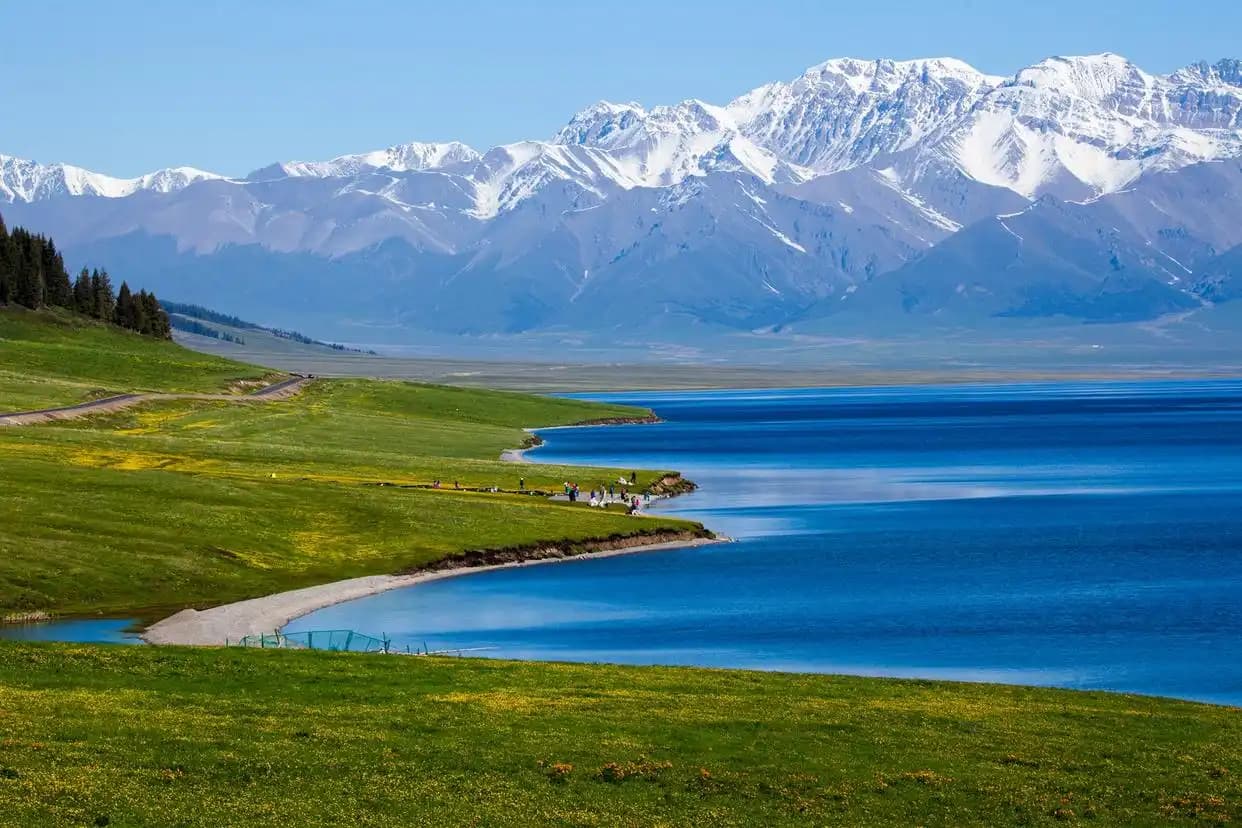
Standard plans sometimes exclude “hazardous activities.” If you plan to hike around Karakul, camp near Sayram, or ride horses in the Tian Shan, confirm adventure and altitude coverage in writing. Some insurers sell a rider specifically for this.
Trip cancellation and delay
Weather, road closures, and permit hiccups can scrap a prepaid driver or hotel. Cancellation and delay cover protects the money you sink into the logistics of a big region.
Belongings and documents
Cameras, drones, and phones are the usual losses. Confirm the single-item limit covers your gear, and photograph your passport and policy on a cloud note.
Altitude: the coverage people forget
Much of southern Xinjiang sits high. Tashkurgan, the Karakoram corridor, and several passes cross 3,000–4,500 meters. Acute mountain sickness is common and occasionally serious. Tell your insurer your itinerary; some require a declaration for altitudes above a threshold. A policy that silently excludes altitude sickness is a trap.
| Area | Typical elevation | Risk note |
|---|---|---|
| Urumqi / Turpan | 800–1,500 m | Low risk |
| Kashgar / Yining | 1,200–1,700 m | Mild adjustment |
| Karawul & Karakoram | 3,000–4,500 m | AMS risk; declare altitude |
| Heavenly Lake / Tian Shan | 1,900–2,500 m | Usually fine |
| Sayram Lake | ~2,000 m | Mild; cold exposure |
How to claim without the headache
Keep every receipt, even for a 15-yuan clinic visit. Most insurers want original invoices and a doctor’s note. Save screenshots of canceled flights and hotel confirmations. I photograph receipts the moment I get them — paper fades, phones do not.
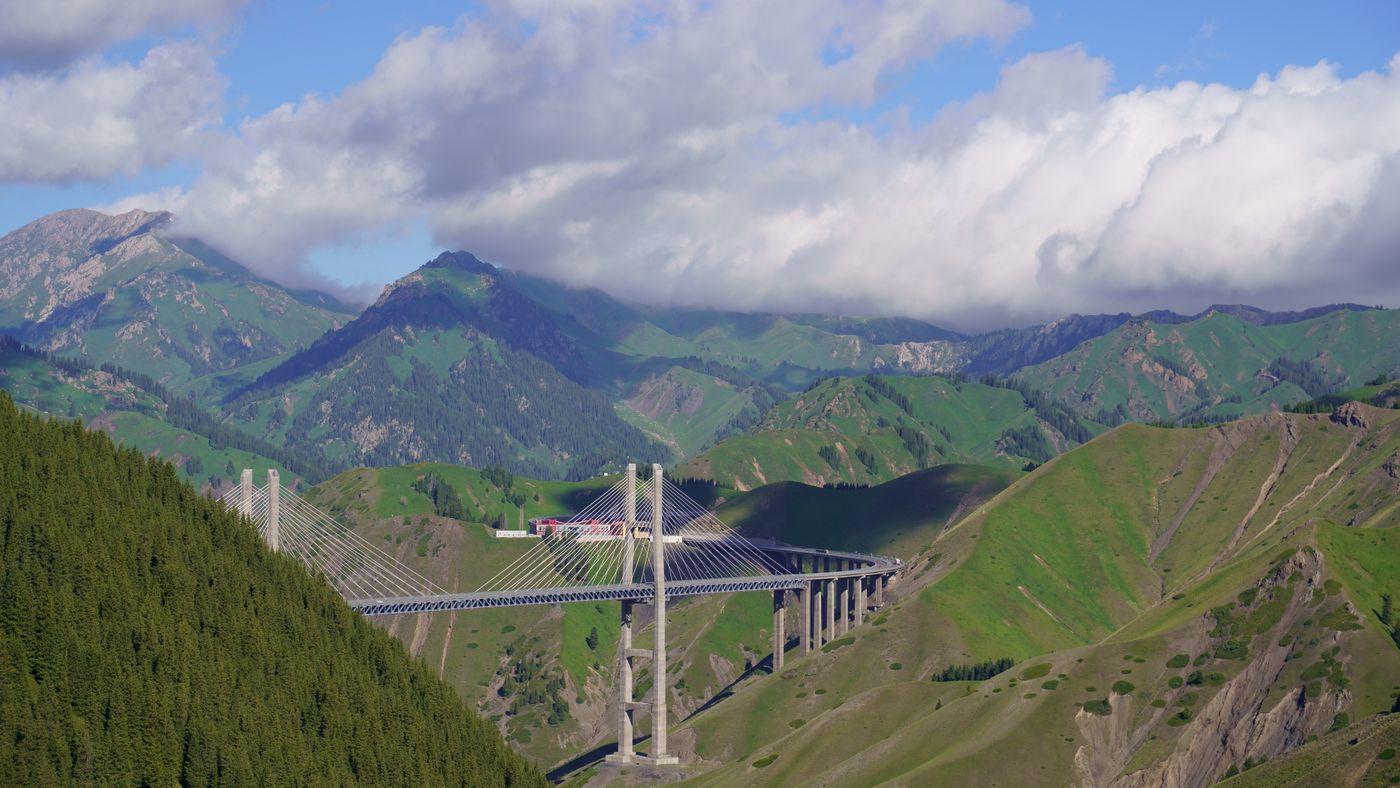
Buy the policy the day you book flights, not the day you leave. Many plans only cover cancellation events that happen after purchase, so last-minute buying leaves a gap.
Local clinics vs. evacuation
County hospitals in Xinjiang are competent for routine issues, but serious trauma or altitude emergencies may require transfer to Urumqi or even home. This is exactly why evacuation cover matters more here than in a dense, city-focused trip. Know your insurer’s emergency number and whether they operate a 24-hour assistance line in English or Mandarin. It is also worth reading your home government’s advisory: the UK FCDO travel advice for China lists current health and safety notes. For a fuller pre-trip checklist, see our Xinjiang travel insurance and medical care guide.
One practical tip: program the assistance line into your phone before you lose signal in the mountains, and save it as a contact your travel companion can also reach. In a real emergency, the person next to you making the call is faster than you fumbling for a policy PDF. I also keep a paper copy of the emergency card in my daypack as a backup to the digital version, because batteries and coverage both fail at the worst moments.
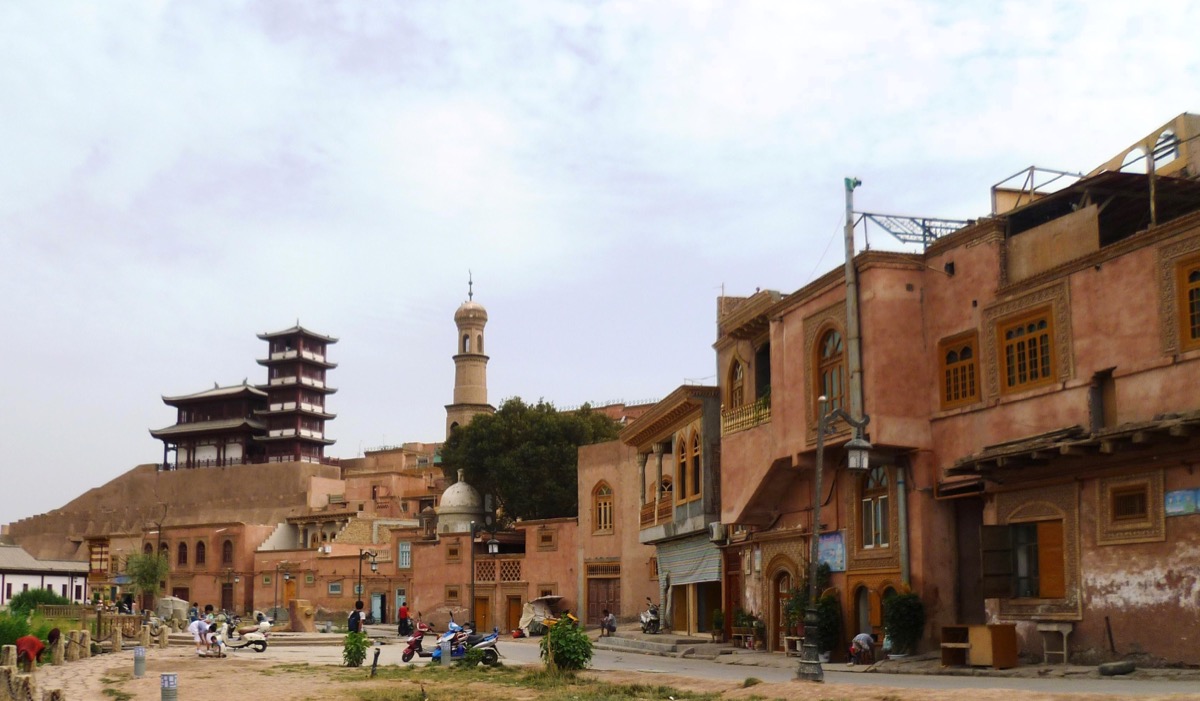
The policy page I now read before anything else is the medical evacuation clause, because the geography that makes Xinjiang worth visiting is the same geography that makes a fracture expensive. I carry the emergency number, the policy number and the nearest district hospital name in a screenshot, not just in an email I might not be able to open. Insurance only helps the traveller who can produce it while standing in a queue.
Frequently Asked Questions
Does my credit card already include travel insurance?
Some premium cards bundle limited trip-delay or rental coverage, but almost never full medical evacuation or altitude cover. Read the terms; do not assume. A standalone policy is safer.
Will insurance cover a Silk Road permit delay?
If a missed connection or documented closure forces you to cancel prepaid lodging, trip-interruption cover usually applies. Keep the official notice or a written confirmation from your operator as proof.
Is trekking near Karakul covered automatically?
Often not. Many plans exclude hiking above a set altitude or “non-guided” activity. Add an adventure rider and declare the route before you go.
What if I need a hospital in a small county?
County hospitals handle common illnesses and minor injuries. For anything serious, your insurer’s assistance line arranges transfer. That transfer is why evacuation limits should be high.
Can I buy insurance after arriving in Xinjiang?
You can, but cancellation cover for events before purchase will not apply, and some insurers restrict same-day or in-country issuance. Buy before you fly.
Choosing a provider: what I compared
I price-compared three kinds of plans before my last trip: a global annual policy, a regional Asia plan, and the add-on offered at flight checkout. The annual global plan won on evacuation limits and adventure riders, even though it cost more up front — for a region this size, the evacuation ceiling is the number that matters most. The cheap regional plan capped evacuation low and quietly excluded altitude, which disqualified it the moment Tashkurgan went on the itinerary.
Read the exclusions page, not just the headline. Look for the words “war and civil unrest,” “natural disaster,” “altitude,” and “hazardous activity.” Xinjiang is stable for travelers, but weather and road events are real, and a plan that silently excludes them leaves you exposed on exactly the days you need it.
Declaring pre-existing conditions
If you have a heart condition, asthma, or anything altitude could aggravate, declare it at purchase. Insurers can deny altitude-related claims if the underlying condition was undisclosed. A five-minute call is cheaper than a denied evacuation bill. Carry a short medical summary in English and Mandarin for clinics that may need context fast.
Drone and camera gear cover
Many travelers haul mirrorless cameras and drones through Xinjiang. Standard baggage cover often caps single items low — sometimes below the price of one lens. Either buy a gadget rider or confirm the limit covers your kit. Keep serial numbers and a purchase-receipt photo; claims without proof stall. Note that some scenic areas restrict drones, so a “lost drone” may not be a covered peril if you flew where signs forbade it.
Family and group coverage
If you travel with kids or a group, insure everyone on one policy where possible — it simplifies claims and usually costs less than separate plans. Children’s medical cover should match the adults’; do not assume a family plan auto-includes high evacuation limits for each person. Verify per-person caps explicitly, because a group evacuation from a high pass can hit the ceiling faster than you think.
When skipping insurance is a false economy
If your entire Xinjiang trip is three days in Urumqi on a business visa with employer cover already in place, a separate policy may be redundant — check what your airline or employer already provides. For anyone on a self-planned loop beyond the capital, though, skipping insurance is a gamble I would not repeat after watching that ankle injury play out.