Xinjiang Homestays: Yurts, Courtyards & Mountain Houses — A Practical Stay Guide
Some of my best nights in Xinjiang were not in hotels but on a Kazakh yurt floor under the stars, or in a Uyghur courtyard listening to the call to evening prayer. Homestays (民宿, minsu) have exploded across the region since 2018, and they are often the most direct way to meet locals and eat real home cooking. Here is how to choose, book, and behave so everyone enjoys it.
What a Xinjiang Homestay Actually Is
“Homestay” covers a wide range. At the simple end: a spare room in a family house, shared bathroom, dinner included. At the polished end: a design-forward guesthouse in the Kashgar old town with en-suite rooms and a café. The constant is the host family. You are a guest in someone’s home, not a hotel room with a front desk.
Kazak and Kyrgyz Yurts
On the Ili and Kanas grasslands, many herding families open their yurts (boz uy) to travelers in summer. You sleep on felt-covered platforms, eat hand-pulled noodles, and may be invited to help milk a horse. Wonderful — and basic. No Wi-Fi, squat toilets, cold mornings.
Uyghur Courtyard Homes
In Kashgar, Hotan, and Turpan, restored courtyard houses (often 100+ years old) operate as small guesthouses. Thick mud-brick walls keep rooms cool, grapes grow over the porch, and breakfast is fresh bread, tomatoes, and tea.

Tajik Stone Houses
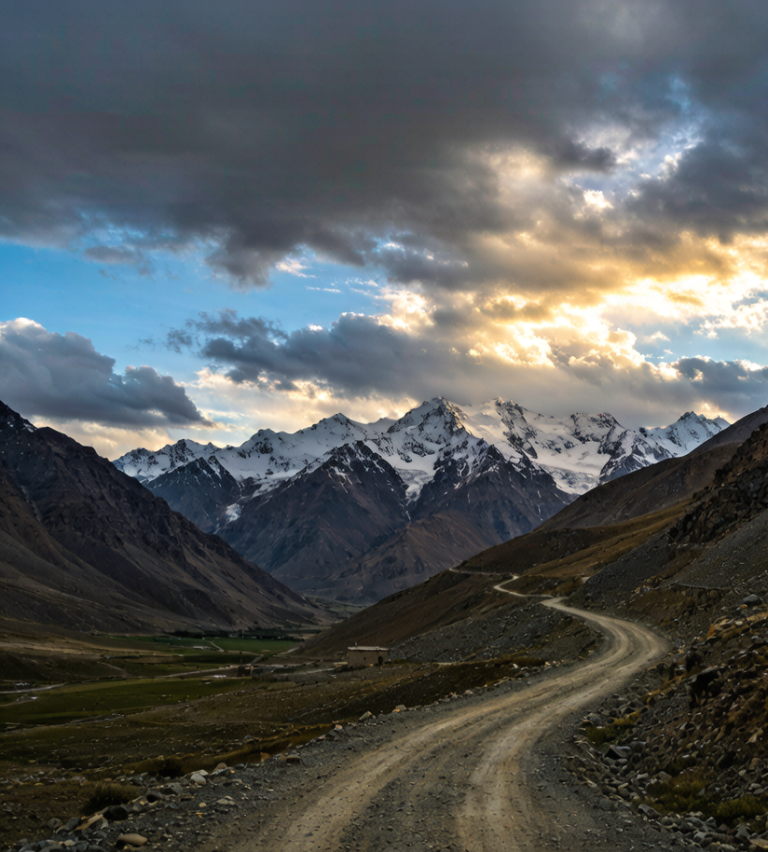
Around Taxkorgan on the Pamir, Tajik families host in stone homes with stunning mountain backdrops. Expect butter tea, naan, and generously warm hospitality at altitude.
Where to Find the Best Ones
| Region | Homestay style | Best season | Price/night (CNY, incl. dinner) |
|---|---|---|---|
| Ili & Kanas grasslands | Kazak yurt | Jun–Sep | 150–300 |
| Kashgar Old Town | Uyghur courtyard | Year-round | 250–500 |
| Turpan oasis | Courtyard with grape trellis | Apr–Oct | 200–400 |
| Taxkorgan (Pamir) | Tajik stone house | May–Sep | 180–350 |
Etiquette & What to Expect
Remove shoes at the door. Accept tea when offered — refusing is rude. Ask before photographing people, especially elders and inside homes. If you are offered the best seat or the choicest piece of meat, that is honor, not obligation to accept awkwardly — a polite “rahmet” (thank you) goes far. In yurts, pack warm layers; at 2,000m it drops cold at night.
A few specifics save awkward moments. In Muslim households, pass and receive food with your right hand; the left is reserved for the bathroom. Do not bring pork or alcohol onto a halal host’s table — it is a genuine offense, not a preference. If you are vegetarian, say so before you arrive, not when the mutton lands in front of you; hosts cook what they know, and a last-minute refusal can feel like rejection of their hospitality. Loud late-night calls are frowned upon in family compounds; the countryside goes to bed with the sun. None of this is complicated, and a little effort is remembered warmly.
The Daily Rhythm
Life runs on daylight. Breakfast is early (flatbread, tea, maybe jam), the big meal is midday, and dinner is light. If you want to join a host activity — milking, bread baking, herding — ask in the morning; spontaneity after dark rarely works. I once helped shape naan and ate my lopsided result for breakfast; the family laughed kindly and it was the best bread of the trip, crumbly and proud.

Food at the Family Table
Dinner is the headline event. Expect laghman (hand-pulled noodles), manty (steamed dumplings), polite mountains of naan, and often a shared plate of boiled or roasted mutton. In yurts the meal may be cooked over an open fire and eaten cross-legged. Portions are generous to the point of excess — that is the compliment. Pace yourself; leaving a little is fine, leaving none and loosening your belt is the highest praise. Herbal teas and the occasional bowl of koumiss round it out. If something is unfamiliar, watching the host eat first tells you the etiquette. And always wash your hands before and after — a basin and pitcher are usually brought around, and accepting it is part of belonging at the table.
Booking Tips
For courtyard guesthouses in Kashgar, book ahead on domestic platforms (Ctrip, Meituan) — the best sell out in summer. For yurts, you often arrange on arrival through your driver or the scenic-area ticket office; prices are negotiable but fair. Always confirm whether bathroom and dinner are included before you commit. Pair a stay like this with time in the Kashgar Old Town for the fullest experience.
A Night in a Yurt: What Actually Happens
Arrive by late afternoon and you will help (or watch) the family bring the sheep in, then sit for a huge dinner: laghman noodles, boiled mutton, flatbread, maybe koumiss if it is summer. After dark the stars are absurd — zero light pollution at 2,000m. You sleep on a raised platform under layers of quilts; it gets cold, so accept the extra blanket. Morning means tea and bread before the family’s day begins. It is not luxury, but it is a memory the hotels cannot sell.
Yurt vs Courtyard: How to Choose
Pick a yurt for nature, silence, and herding life — best June to September, and only if you tolerate basic toilets. Pick a courtyard guesthouse for culture, comfort, and walkable old towns, and for trips outside summer. Many travelers do one of each: a yurt in Ili, a courtyard in Kashgar.
Money & Payment Reality
Carry cash. Foreign cards almost never work at family stays, and even Chinese card terminals are rare in yurts. Withdraw enough at the last city ATM; a typical yurt stay with dinner runs 150–300 CNY per person. In Kashgar courtyards, Alipay and WeChat linked to a Chinese bank card are usually fine, but do not assume it.
Stays With Kids & Older Travelers
Families do well in courtyard guesthouses with private rooms and en-suites — Kashgar and Turpan are easy, flat, and walkable. Yurts are a harder sell with toddlers (no railings, open fire, cold nights); school-age kids usually love them. For older travelers, courtyards beat yurts every time: real beds, a toilet behind a normal door, and hosts who will happily cook a softer meal. Our family travel guide covers the wider logistics.
Photography, Privacy & Respect
A homestay is someone’s home, not a museum. Ask before shooting indoors or photographing family members; a smile and raised phone usually communicates it. Offering to show the photo on your screen builds instant trust. Never post a child’s face without a parent’s okay. These small graces are why hosts keep opening doors to strangers.
Choosing your weeks
Spring and early summer
Generally yes; family-run places are community-watched. Standard street sense applies. Our solo female travel guide has more detail.
Summer
Rarely. Pay with cash or Alipay/WeChat linked to a Chinese bank card. Carry small notes.
Autumn
Usually not. A translation app and a few Uyghur/Chinese pleasantries bridge the gap, and hosts are patient.
Winter
Sometimes via Ctrip for the larger grassland camps; small family yurts are walk-up. Your driver can call ahead.
4
Most hosts serve halal meat-and-noodle meals. Tell them clearly; vegetarians should expect noodle/potato dishes rather than elaborate meat-free menus.