
Money in Xinjiang: Cash, Cards, Alipay and WeChat Pay for Travelers
The first time I ran out of cash in Xinjiang, I was in a small neighborhood noodle shop in Yining, two hours from any card-reading machine I trusted. The owner shrugged, pointed at the green WeChat Pay sticker on the wall, and within thirty seconds I had paid with a QR code scanned off my phone. That evening taught me the single most useful lesson about shopping and paying in the bazaars: in Xinjiang, the phone in your pocket matters more than the bills in your wallet. This guide walks through exactly how money works on the ground, what to bring, and where the old rules still apply.
Is cash still king in Xinjiang?
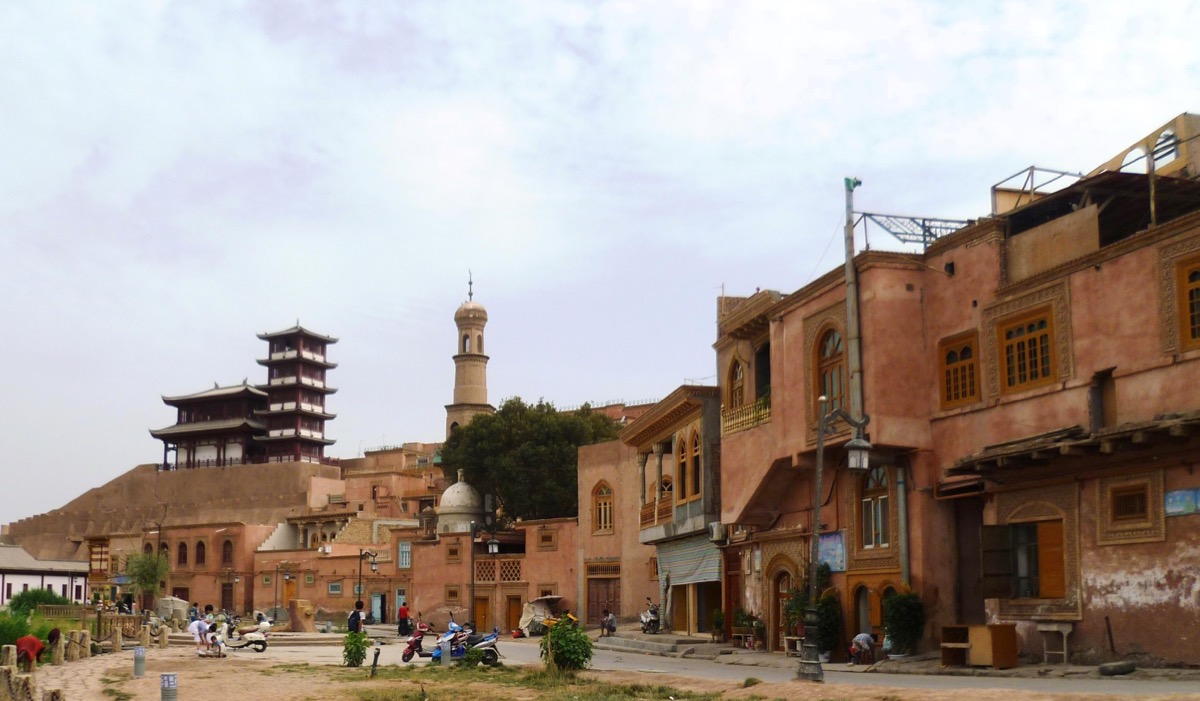
Not really, but you should still carry some. In every city — Urumqi, Kashgar, Turpan, Yining, Korla — mobile payments dominate. Street food stalls, taxi drivers, supermarket checkouts and even most small guesthouses display a printed QR code for Alipay or WeChat Pay. Cash is accepted almost everywhere as a legal fallback, but many vendors simply do not keep small change, and a few younger shops operate cash-free by preference.
Timing also shapes costs and crowds; if you are choosing a season, our best time to visit Xinjiang guide breaks down how peak months affect both prices and the payment habits you will meet on the ground.
My rule of thumb: keep about 300–500 yuan in small notes (20s and 50s) for rural stops, market haggling, and the occasional old-school taxi. Everything else goes through your phone.
Setting up Alipay and WeChat Pay before you fly
This is the part travelers overcomplicate. Both apps now offer a tourist-friendly path that links an international card (Visa, Mastercard, JCB, or sometimes Amex) without a Chinese bank account.
The versions you actually want
Install the international builds from your app store before arrival. Alipay’s “Tour Pass” style wallet and WeChat’s linked-card feature both let you top up or charge directly to your home card. Set them up on Wi-Fi at home, verify your passport, and test a tiny payment so you are not debugging the app in a dusty border-town parking lot.
Linking a foreign card
Linking works for most major cards, but acceptance is not universal at the vendor level — some tiny shops only accept domestic wallets. That is why the small cash buffer matters. Also note foreign-card transactions can carry a small currency-conversion fee, so for large purchases (hotel bills, multi-day tours) ask whether the merchant prefers a different method.
ATMs, bank cards and where they work
International cards (Visa/Mastercard) can withdraw cash at major bank ATMs — ICBC, Bank of China, and China Construction Bank are the safest bets in big cities. Withdraw in yuan; your home bank sets the exchange rate. Rural counties and scenic areas often have only domestic-network ATMs, so pull out what you need before heading into the mountains.
UnionPay cards from outside China work more widely than Visa/Mastercard, so if you hold one, bring it. Always notify your home bank of travel to avoid a frozen card, and keep a photo of your card and the emergency number in a separate cloud note.
A realistic daily budget for Xinjiang
Xinjiang is huge, and distances inflate costs. Here is a per-person daily baseline I used on a three-week loop, traveling mid-range:
| Expense | Low (¥) | Mid (¥) | Notes |
|---|---|---|---|
| Hostel / guesthouse | 80 | 220 | Yurts and homestays vary by season |
| Meals (3) | 60 | 140 | Street food cheap; sit-down lamb feasts add up |
| Local transport | 30 | 120 | Buses cheap; taxis and charters cost more |
| Intercity travel | 150 | 400 | Trains vs. flights vs. private driver |
| Tickets & activities | 50 | 200 | Lake and park entrance fees |
| Buffer / snacks | 40 | 100 | Markets, fruit, tips |
Plan roughly 400–1,000 yuan per day depending on style. The single biggest lever is transport: a private driver for the southern Silk Road loop is convenient but multiplies the daily figure fast.
Money tips for border towns and the countryside
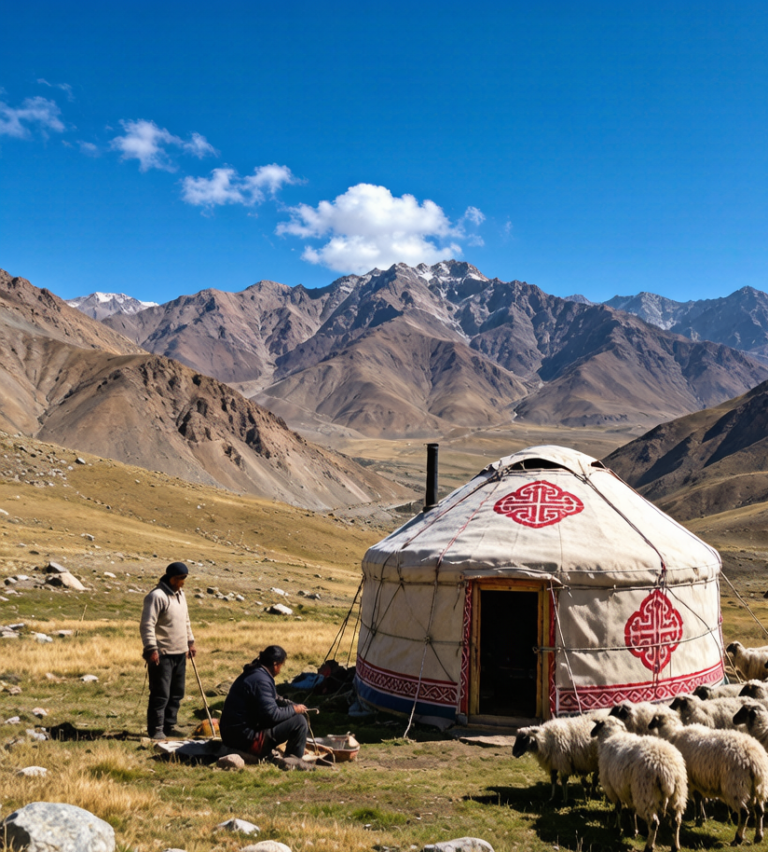
Once you leave the prefecture capitals, card and app coverage thins. On the Karakoram Highway toward Tashkurgan, at village teahouses, and in remote Kazakh yurt camps, cash is still the norm. I carry a fatter envelope for these legs and treat mobile pay as a bonus, not a guarantee.
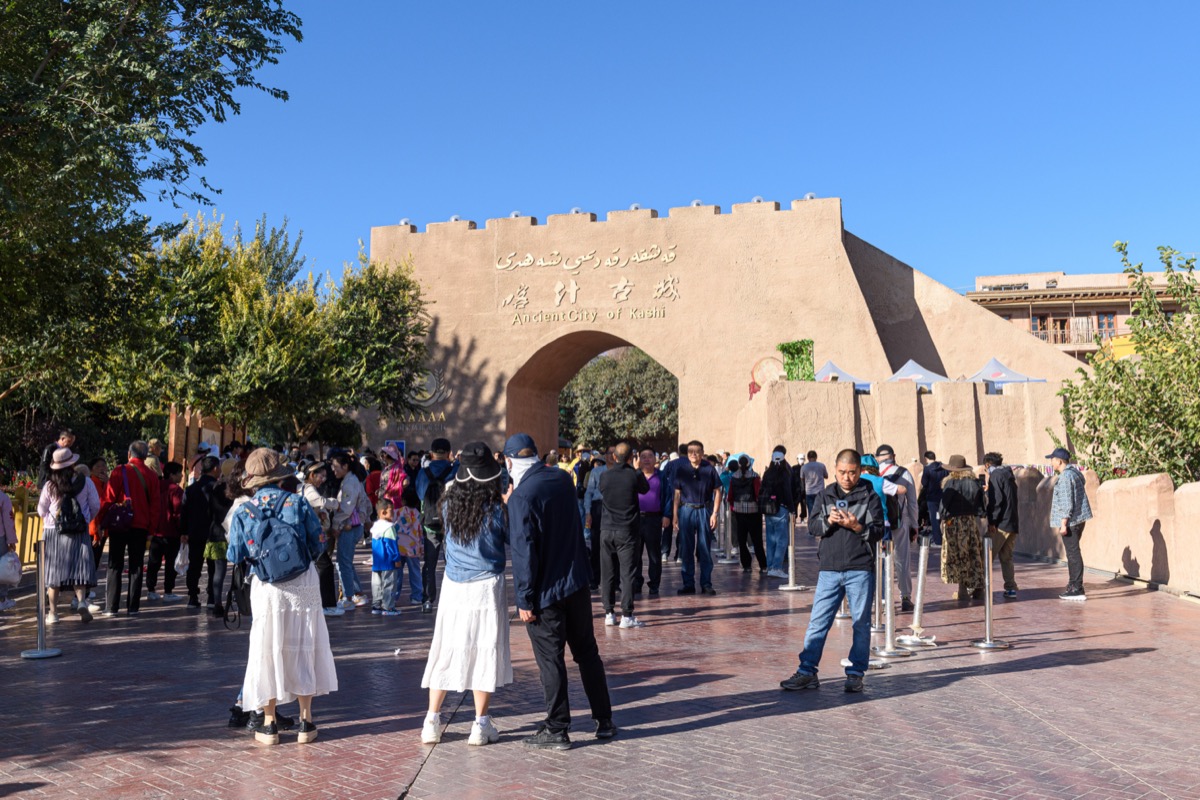
Also: many scenic areas have spotty mobile data. Download offline maps and pre-load your wallet balance (where the app allows) before you lose signal. A payment that fails because of no reception is the fastest way to look like a confused tourist.
Keeping your cash and cards safe on the road
Split your money. I keep one card and most cash in a money belt, a second card in my daypack, and a small spending wad in my pocket. Pickpocketing is rare in Xinjiang compared with many destinations, but long bus and train days are where bags drift, so stay boring and distributed.
Paying for transport: buses, trains and ride apps
Transport is where payment methods diverge most. Intercity buses and trains are best booked through the official apps or at staffed stations; foreign cards rarely work at the counter, so I pre-load Alipay and pay there, or ask a Chinese-speaking contact to help with the railway app. Inside cities, ride-hailing apps are cheaper and safer than street taxis, and they let you pay by phone with a recorded fare — no haggling, no “special price for tourists.” Keep the app handy even in small towns; coverage is wider than visitors expect.
For longer private charters (often the only realistic way to see remote southern routes), agree the total in writing and pay a deposit through the wallet app, with the balance on completion. Cash deposits are acceptable but harder to trace if something goes wrong, so I prefer the app trail for any amount above a few hundred yuan. A screenshot of the agreed price has resolved more than one “misunderstanding” at journey’s end.
Denominations and everyday math
Get comfortable with the notes: 100s for hotels and charters, 20s and 50s for food and markets, and a stack of 10s and 1s for toilets, lockers, and tips to street musicians. Small change vanishes fast in villages, so break a 100 at a supermarket whenever you can. Mentally converting prices becomes automatic after a day or two, and it keeps you clear of the classic “I paid what?” moment at a scenic-area restaurant where a plate of noodles can quietly cost triple the town rate.
Frequently Asked Questions
Can I rely on my Visa or Mastercard in Xinjiang?
In major cities, for hotels and big supermarkets, yes for withdrawals at bank ATMs. For everyday spending, no — vendors overwhelmingly want Alipay or WeChat Pay. Get the apps working before you fly.
Do small guesthouses and yak-herder yurts take mobile pay?
Many do, especially near popular routes, but remote yurt camps and village homestays often take cash only. Carry at least 300–500 yuan in small bills whenever you leave a prefecture capital.
Should I exchange money at the airport or in the city?
You rarely need to exchange at all if your cards link to the wallets. If you want cash, city bank branches and ATMs give better rates than airport counters. Avoid informal street changers.
Is it rude to haggle in the bazaars?
Not at all — polite haggling is expected in open markets, less so in fixed-price shops. Smile, engage, and walk away if the price feels wrong. Cash helps here because it closes the deal on the spot.
What about tipping in Xinjiang?
Tipping is not a local custom. Restaurants and taxis do not expect it. Rounding up or leaving small change is a friendly gesture but never required; tour drivers occasionally appreciate a thank-you tip at the end of a multi-day trip.