The Xinjiang Doppa: Uyghur Embroidered Skullcap, Styles, and How to Buy One
You will notice them everywhere in Xinjiang: small, round, four-paneled caps in deep blue or black, erupting with white, yellow, and green embroidery. This is the doppa (also spelled doppa), the everyday skullcap worn by Uyghur men and, increasingly, a proud unisex symbol of identity. I bought my first one in a Kashgar side alley for the equivalent of a few dollars, and wearing it changed how people greeted me—from tourist to honored guest. Here is the full story so you can choose and wear one with respect.
What Is a Doppa?
A doppa is a close-fitting cap, traditionally made of four quilted panels stitched into a dome. The embroidery is the point: each pattern is a small vocabulary of flowers, vines, and geometric stars passed down through families. Worn daily, gifted at weddings, and required at festivals, it is less an accessory than a quiet statement of who you are and where you are from.
Regional Styles You’ll See
| Region | Pattern | Color feel |
|---|---|---|
| Kashgar (Yengisar) | Dense floral, silk thread | Black base, multicolor bloom |
| Hotan | Open, airy vines | White or cream ground |
| Aksu | Geometric stars | Indigo and white |
| Urumqi (modern) | Mixed / novelty | Bright, youthful designs |
The Yengisar doppa near Kashgar is the most collectible—its silk-thread work can take a skilled woman several days.
How a Doppa Is Made
Traditionally the cap is embroidered by hand on a small wooden frame, then the four panels are joined and lined. The best ones use real silk floss that catches the light. Machine-embroidered versions are everywhere and cost a fraction, but the back of the fabric tells the truth: hand work shows knots and slight irregularity; machines are mechanically perfect.
Embroidery vs. printed
Avoid “printed” caps that only look embroidered from a distance—they fade and feel stiff. Run a thumb over the pattern; true embroidery has texture you can feel.
Buying One in the Bazaars
| Where | Price range | Tip |
|---|---|---|
| Kashgar old-city alley stalls | ¥20–80 | Hand-embroidered from ¥60 up; haggle kindly |
| Urumqi International Bazaar | ¥30–120 | Wide choice, more tourist pricing |
| Village co-op / women’s workshop | ¥80–200 | Supports makers directly; best quality |
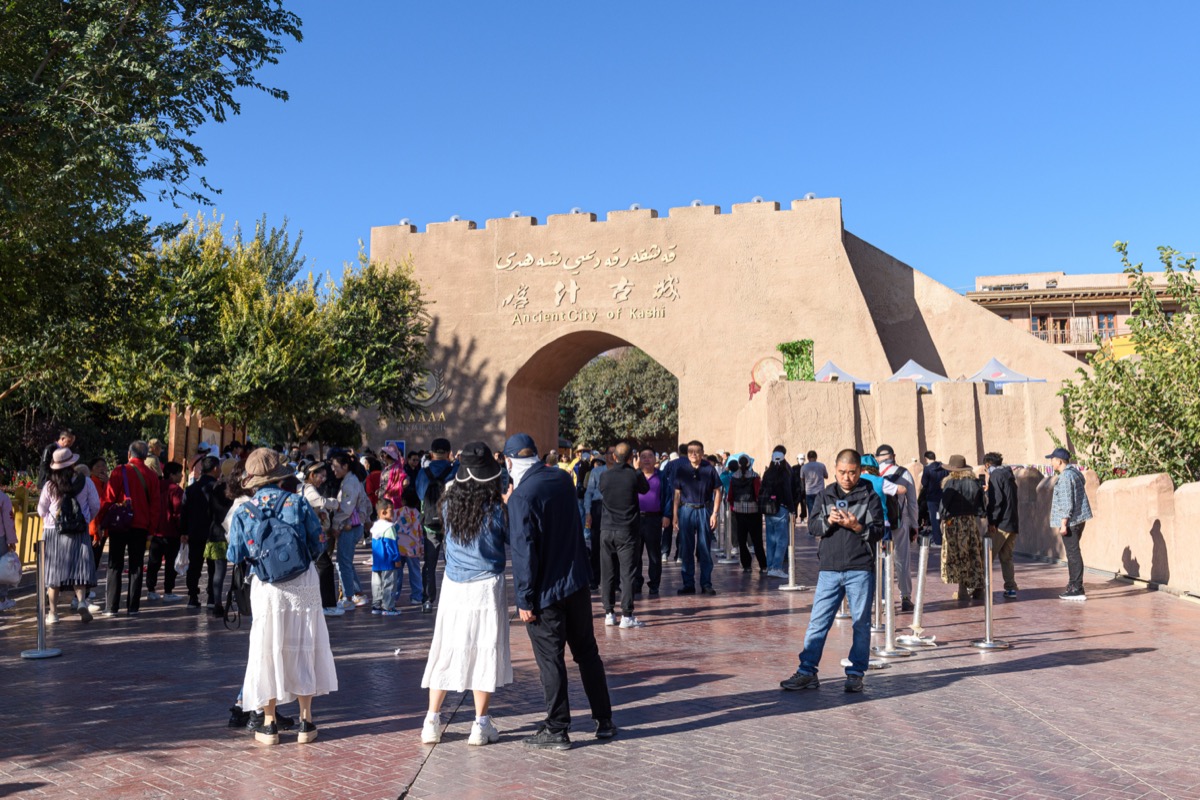
In Kashgar’s old city the nicest caps are not on the main drag but one alley in, where grandmothers sell from their own doorsteps. That is where I found mine.
Etiquette: Wearing and Gifting
The doppa is respected headwear. Don’t toss it on the floor or wear it backward as a joke. Beyond that, the rules are welcoming.
When to wear it
Locals wear doppas daily, but during Xinjiang festivals like Eid and Navruz almost everyone dons their finest, and visitors who join in are met with huge warmth. Try it on at a family table and you will likely be poured extra tea.
Giving as a gift
A doppa is a common gift between friends and a lovely, lightweight souvenir to carry home. Present it with both hands and a small nod—no elaborate ritual needed, just respect.
A Short History of the Cap
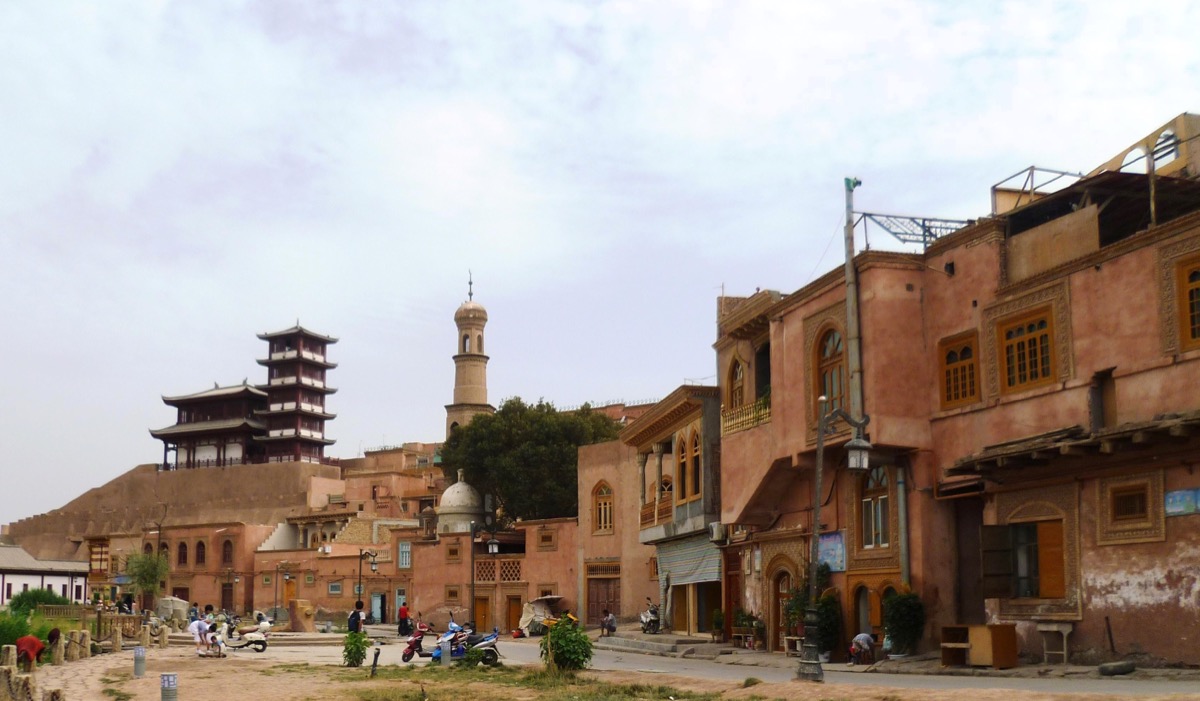
The doppa’s roots run deep along the Silk Road, blending Persian, Central Asian, and local Turkic influences. For centuries it marked not just ethnicity but sometimes trade or community. Under the embroidery, the patterns were a quiet language—vines for growth, stars for guidance. Today it is worn proudly as a symbol of Uyghur identity across Xinjiang and the diaspora, and younger designers are riffing on the old motifs with bright new colors.
Sizing and Fit
| Issue | Fix |
|---|---|
| Sits too high | Ask for “chong” (large); try several |
| Too tight | Steam-stretch gently; avoid forcing |
| Slips back | Pin discreetly or size down a touch |
Other Caps You’ll Spot
The doppa is the Uyghur classic, but Xinjiang‘s diversity shows on heads too: Kazakh and Kyrgyz felt hats for the grasslands, the four-cornered “tax” skullcap elsewhere, and colorful knitted caps in winter. Each tells you something about the wearer’s homeland—part of the fun of traveling here is reading the room at a glance.
Spotting a Fair Price
As a rule of thumb: under ¥40 is almost certainly machine-made; ¥60–120 signals hand embroidery in silk; above that you are paying for rarity or a master’s name. Don’t haggle aggressively over a grandmother’s handwork—a few yuan matters more to her than to you, and the story is part of the price.
Doppa in Daily Life
Watch a Xinjiang street at dawn and you will see the cap everywhere—on the baker, the policeman, the tea-seller, the schoolboy. It is ordinary and extraordinary at once, a small dome of identity worn without a thought. That ordinariness is exactly why borrowing one, respectfully, feels like being let in on a quiet secret.
Caring for Your Doppa
Keep it out of direct sun when stored, because embroidery thread can fade, and never machine-wash. If it picks up dust on the road, a soft brush and a little shake does the trick. Mine has traveled three provinces and still gets compliments, which tells you the thing is built to last.
Wearing It Without Looking Like a Costume
The line between respectful and costume is intent. Wear the doppa the way locals do: straight, slightly snug, as an ordinary part of your outfit rather than a photo prop. Take it off indoors when you would remove any hat, and don’t pair it with exaggerated “exotic” styling. The warmest reactions I got were when I simply kept it on through a normal afternoon of tea and talk, not when I struck a pose for a picture—people respond to ease, not performance.
Wrapping and Giving It Well
If you buy several as gifts, ask the shop for tissue or a cloth wrap—most will oblige, and it costs nothing to ask. A doppa rolled in clean paper survives a suitcase fine. When you hand it over back home, a one-line note about where and from whom you bought it turns a ¥30 cap into a small story, which is exactly what a good souvenir should be.
A Doppa for Children
Small embroidered versions for kids are common and adorable, often in brighter colors. They make a lightweight, inexpensive gift for friends with children, and they survive the washing machine better than the adult silk versions—though I would still spot-clean the heavily embroidered ones to protect the thread.
Budgets in figures
| Item | What it costs | Note |
|---|---|---|
| foreign visitors wear a doppa | varies | Absolutely, and it is appreciated as a sign of interest in local culture. Just treat it as respectful headwear, not a costume. |
| doppas so cheap and others pricey | varies | Price tracks labor: a machine-embroidered cap takes minutes; a Yengisar silk doppa can take days. Pay for the story, not just the object. |
The numbers above are what I paid on my own trips; add roughly a fifth for a private car and driver if you are travelling with someone else. Anything marked roughly is a bazaar price in high season, and it moves with demand.