Xinjiang Photography and Drone Rules: Where You Can (and Cannot) Shoot
Xinjiang is, frankly, one of the most photogenic places on Earth — and also one of the most regulated to photograph. On my first trip I watched a traveler’s drone get confiscated at a checkpoint outside Kashgar for flying near a military zone he did not know existed. The landscape is irresistible, but the rules are real. This guide covers where you can shoot, where you absolutely cannot, and exactly what the drone laws in Xinjiang require before you launch.
The Light Is the Real Attraction
Part of why Xinjiang photographs so well is the light: 15+ hours of summer sun, thin dry air, and huge open distances. Golden hour here is long and dramatic. Plan shoots for the first hour after sunrise and the last 90 minutes before sunset — the best time to visit page covers how season changes the quality of that light across the region.
Drone Rules in Xinjiang: Read This Before You Fly
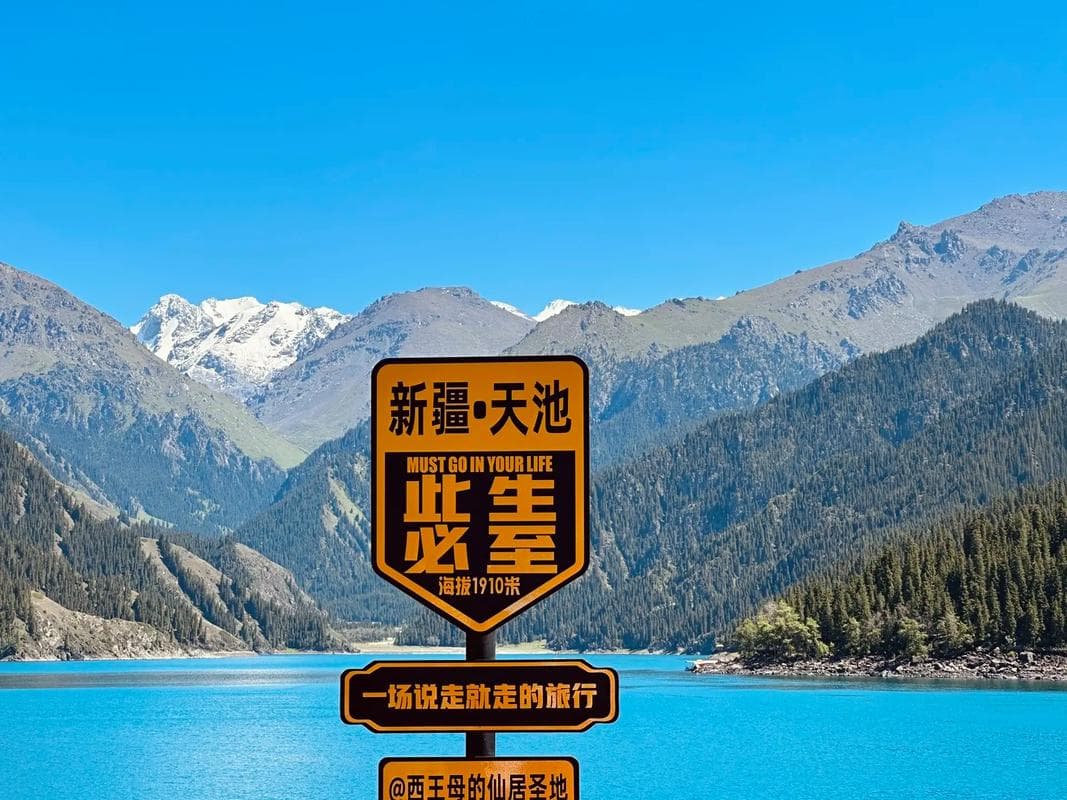
China registers consumer drones through the CAAC system, and Xinjiang enforces it strictly because of border sensitivity. The short version: register your drone, keep it under 120 m, stay away from people and vehicles, and never fly near borders, airports, or military zones. Many scenic areas ban takeoff entirely — look for signage at the gate. The zone table below is the practical summary:
| Zone | Rule | Risk if ignored |
|---|---|---|
| Cities & parks (general) | Register + under 120 m, no crowds | Warning, fine |
| Scenic areas (Kanas, Sayram) | Often no-fly; check gate signs | Confiscation, ban |
| Border & Pamir zones | Strictly forbidden | Detention, device seized |
| Near airports & military | Absolute no-fly buffer | Serious legal trouble |
| Over crowds / roads | Not allowed | Fine, liability |

Where Photography Is Restricted
Military and Border Areas
The Pamir Highway, the Karakoram edge, and anything within sight of a border post is off-limits — including from a distance with a long lens. Checkpoints are frequent out west. If you see a fence, a tower, or a sign in Chinese with a camera crossed out, stop shooting. Ignorance is not an accepted excuse at these posts.
Mosques and People
Inside active mosques and during prayers, ask before photographing, and never shoot women without clear permission. On the street, a quick smile and a gesture at your camera resolves most situations — locals are often happy to pose. The photography road trip route is built around legal, stunning public-land spots if you want a ready plan.
Best Golden-Hour Spots
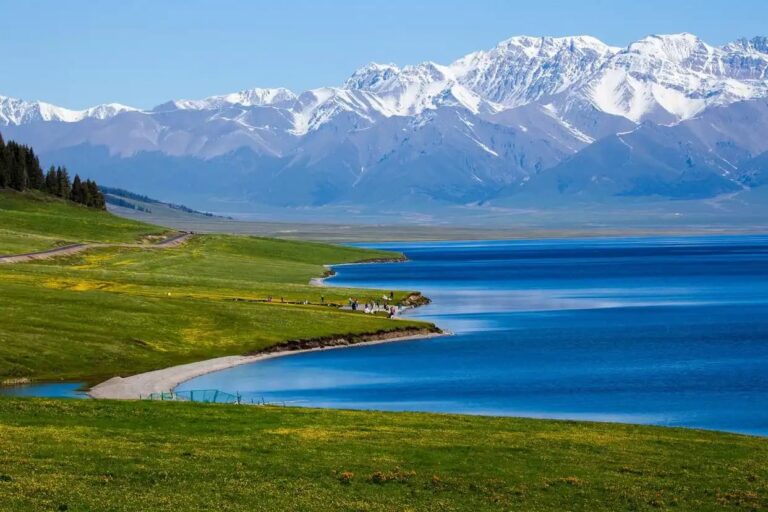
Safe, spectacular places to point a lens: the saline rings of Sayram Lake at dawn, the red cliffs of the Flaming Mountains, the apricot blossom valleys around Yili in April, and the rooftops of Kashgar Old Town at blue hour. All are public, legal to shoot, and worth the early alarm. At altitude on the Pamir, shoot from the road pull-offs rather than restricted plateau zones.
One underrated hour is the post-sunset afterglow, when the sky holds a deep blue for twenty minutes after the sun is gone. In the deserts this is when the dunes go from yellow to copper, and in the old towns the warm window light against the cooling blue makes portraits almost by itself. Set an alarm for both ends of the day and you will leave with ten good frames for every one you would get at noon.
Gear and Practical Tips
Bring more cards and batteries than you think — the distances between charges are long. A polarizer kills glare on snow and salt flats. Dust is relentless in Turpan and the Taklamakan edge, so a simple blower saves sensors. And back up nightly: a failed card in the middle of nowhere means lost once-in-a-lifetime frames.
Smartphone Shots That Punch Above Their Weight
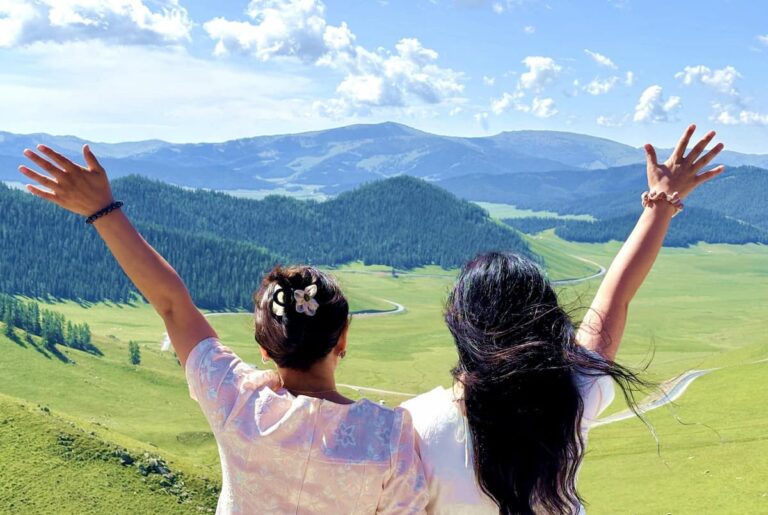
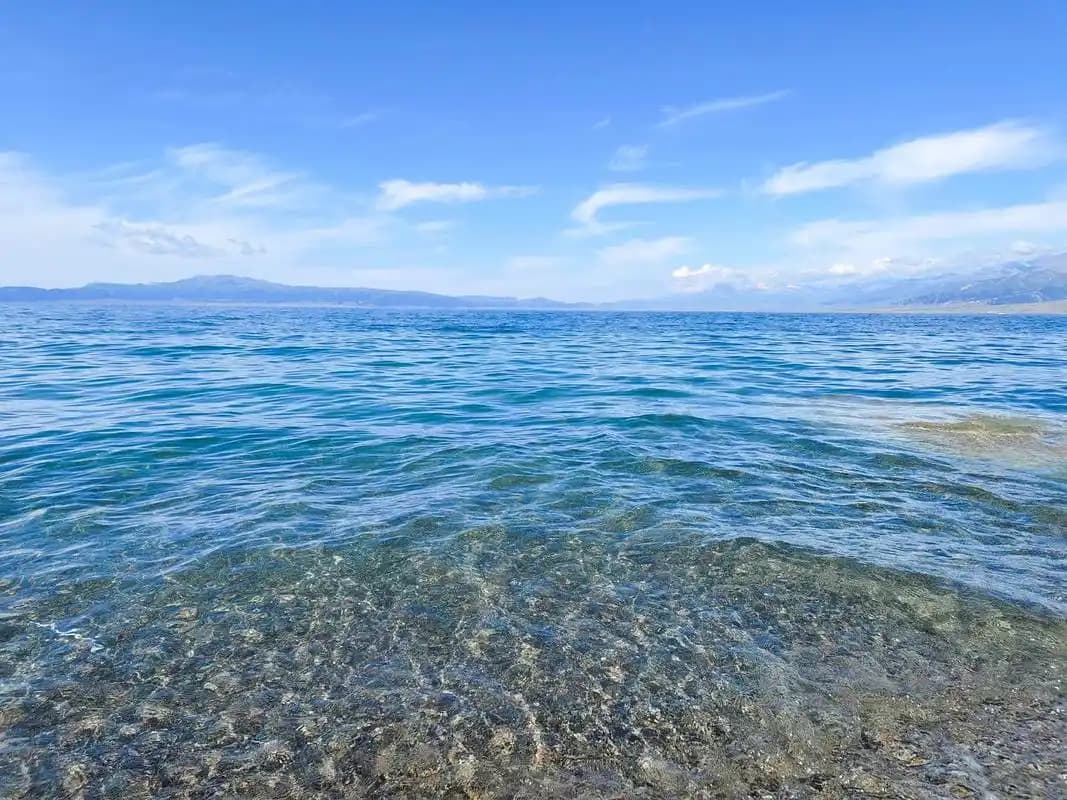
You do not need a camera bag to come home with great frames. Modern phones handle Xinjiang’s light beautifully. The trick is to shoot in the flat, even light of early morning and late afternoon rather than the blown-out midday, tap to expose for the bright sky so the foreground does not turn to silhouette, and use the wide lens for the big landscapes instead of digitally zooming in. A small clip-on polarizer helps on water and snow. I shot an entire week around Sayram and the Ili valleys on a phone and only a handful of those images betray it — most look like they came from a far heavier kit. For most travelers, the phone-plus-patience combo beats an expensive body they never learn to use.
The mistakes worth avoiding
The trap here: Needing to register my drone in china
Yes, if it weighs over 250 g you must register it with the CAAC (there is an app) and label it. In Xinjiang, rangers and police at scenic gates may ask to see that registration, so have it on your phone.
Where people slip: Flying a drone at kanas
Usually no. Both are protected scenic areas that post no-fly rules at the entrance. Some allow paid, permitted commercial shoots with advance approval, but casual tourist flights are banned and enforced.
The usual error: Safe to photograph locals
Generally yes, with courtesy. Smile, gesture, and respect a “no.” Never photograph someone at a sensitive site or during prayer. A few words of Uyghur or Mandarin thanks go a long way after the shot.
Easy to get this wrong: Camera gear is worth bringing
A mirrorless body, one wide zoom (16–35 or 24–70), and a light tele (70–200) covers 95% of shots. A phone is fine for casual travel. Prioritize spare batteries and a polarizer over heavy primes you will not use.
The trap here: There no-photo signs i should watch for
Yes — a red circle with a camera crossed out, common at border posts, some museums, and mosque interiors. When in doubt, ask. The cost of guessing wrong in a border zone is far higher than a missed photo.
Where people slip: Edit and post freely afterward
Editing and sharing personal travel photos is fine. Avoid geotagging sensitive border or military-adjacent locations, and don’t post footage clearly shot in a no-fly zone — it can draw unwanted attention to you and to locals nearby.