Xinjiang on a Budget: Real Costs and Money-Saving Tips for 2026
Xinjiang’s size scares budgets: the distances suggest constant flights and private cars, which add up fast. But the region is also one of the best value places in China for food and everyday costs, and with a few choices you can see the headline sights without blowing the trip fund. This is a realistic cost picture for 2026, not a fantasy backpacker manifesto.

Realistic Daily Costs (per person)
Hostel/budget hotel: ¥80–180 in cities; ¥150–300 in tourist towns like Kashgar or Yining in peak season.
Mid-range hotel: ¥250–500, the comfortable default for couples or those wanting privacy.
Food: ¥25–50/day if you eat naan, samsa, noodles, and skewers; ¥80–150 with restaurant meals and the occasional polo feast.
Transport: the wildcard. Buses and trains are cheap (Urumqi–Turpan train ~¥50); flights Kashgar–Urumqi ~¥600–1,200 seasonally; a private car with driver runs ¥600–1,200/day plus fuel.
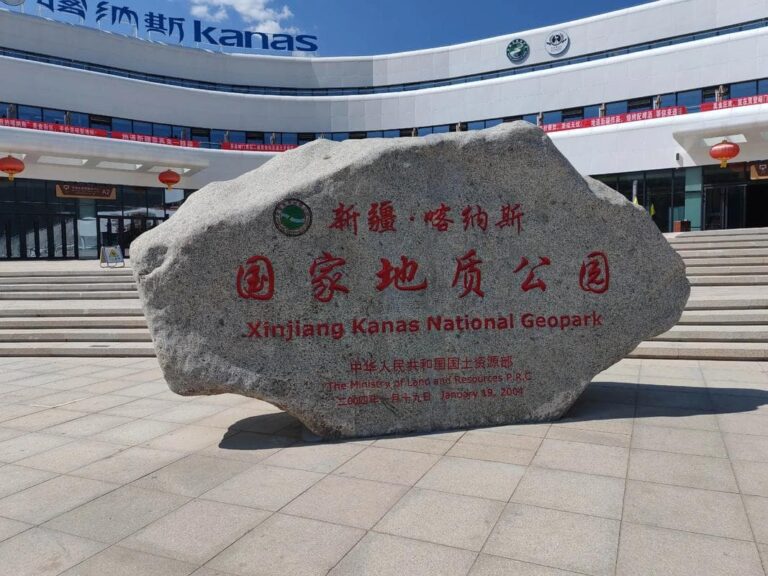
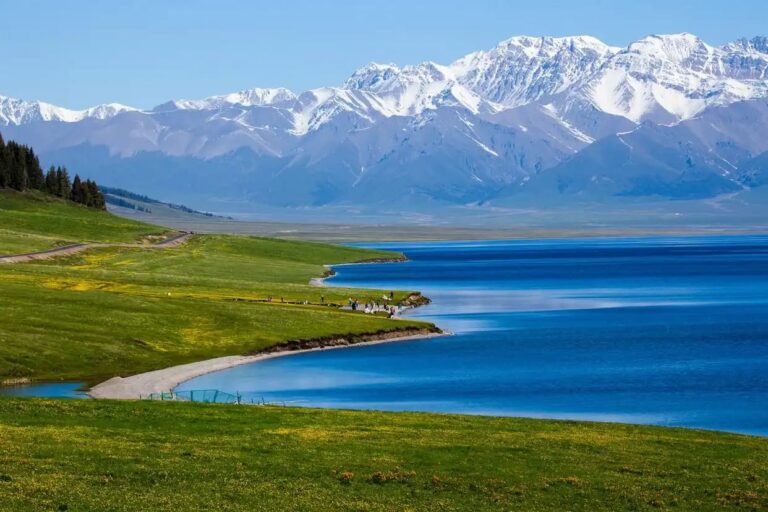
Tickets: scenic areas charge ¥30–100 plus shuttle fees; Kanas and Sayram are at the higher end with combined tickets ~¥100–200.
A budget traveler on buses and hostels can do ~¥300–450/day; a comfortable independent traveler on some flights and mid hotels ~¥700–1,200/day.
Where the Money Goes
The single biggest cost is distance. Every kilometer you don’t fly is a kilometer you either endure on a bus or pay a car for. The smart saver uses flights for the long leaps (Urumqi–Kashgar, Urumqi–Yining) and cheap local transport or a shared car for exploring each region. Trying to bus the whole region is false economy — you spend more on time and lodging than you save.
Who this kind of trip suits
It is less good with a fixed number of days, a small budget for a guided solution, and a low tolerance for checkpoints. Someone with a week, or two, prepared to sleep in two different kinds of bed in four days. Someone who likes long horizons on the road and does not need a cafe on every corner. There is no version of this where you see the whole region in three days, and the guides promising it are lying.
What people get wrong before they come
The oasis towns, the water running beside the road, the fields at the foot of a glacier: that is Xinjiang, and it is not in the photographs on the back of the bus seat. They come expecting desert to be the whole picture, then find the green is what stays with them. The second thing is scale. Distances here make a small itinerary feel enormous, and the fix is not more days but fewer stops with longer looks at each.
What to sort out before you fly
The first two nights in the far cities, which is where the good rooms go. Everything else on this list can be sorted at the airport desk or the hotel lobby, and mostly is. And the car, if you are driving, well ahead in the peak months. Three things, in this order. The border permit if your routing goes near a closed frontier, because that one has lead time nobody can compress. That stretch of the trip is described in our [[xinjiang-travel-budget-2026-real-daily-costs-7-day-and-2-week-trips|Xinjiang Travel Budget 2026: Real Daily…]] too.
Money-Saving Moves
Eat like a local. Naan, samsa, laghman, and kawap are cents to a few yuan. The bazaar breakfast beats the hotel buffet every time.
Book transport early. Flights and the busy rail lines sell out and rise in price near departure; the Kashgar and Yining routes especially.
Travel shoulder season. May and September give you 80% of the beauty at a fraction of July–October prices and none of the National Day crunch.
Share a car. If you don’t self-drive, find others to split a driver for the Pamirs or Ili loop. Many hostels and hotels help connect travelers.
Carry water and snacks. Long drives between towns have few services; buying at the last city saves a lot versus remote stalls.
Skip the internal shuttles where walking is allowed. Some scenic areas let you walk sections; the shuttle fee is avoidable if you have time.
What Not to Skimp On
Don’t cut the permit process or the altitude prep for the Pamirs — a mistake there costs more than the savings. And don’t skip travel insurance; remote medical evacuation is expensive. For a full cost framework region by region, the planning chapters of our Xinjiang Travel Guide break down the numbers so you can build a realistic budget before you book the first flight.