Coffee and Cafe Culture in Xinjiang: Where to Pause on the Silk Road
I did not expect to find a properly pulled flat white in Kashgar. Yet there I was, on a carved wooden balcony above the Old Town, watching the afternoon light hit the mud-brick lanes while a barista steamed milk like she had trained in Melbourne. Xinjiang’s cafe scene has quietly exploded over the last few years, and for travelers it is a gift: a place to slow down, charge devices, and reset between long driving days. This guide covers where the coffee actually lives and how to use it without missing the region’s older tea traditions.
Why coffee took root on the Silk Road
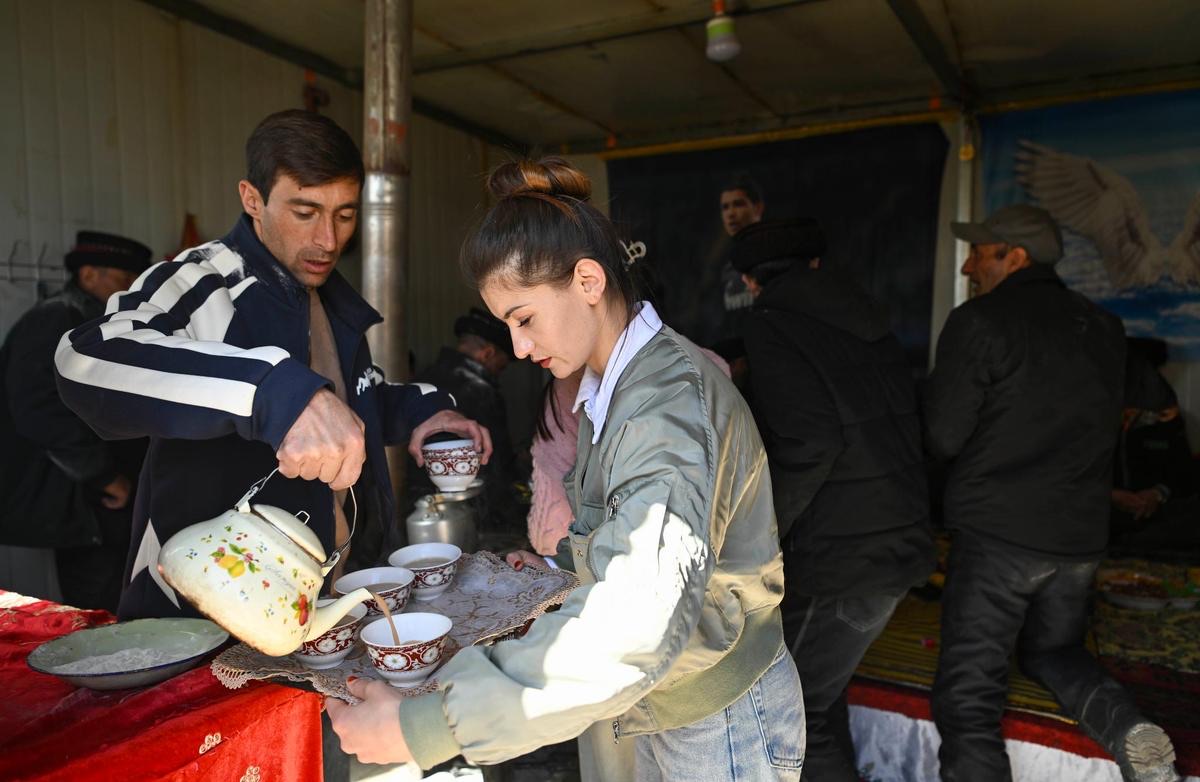
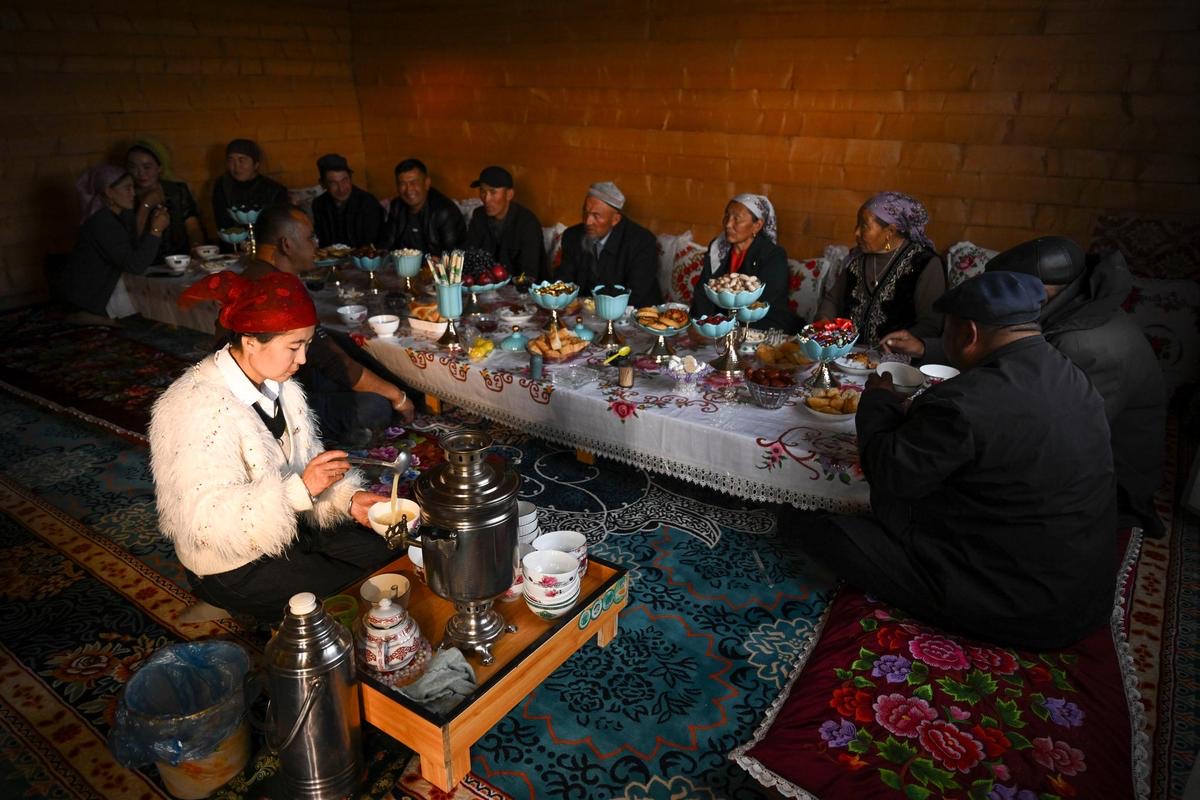
Xinjiang has always been a crossroads, and tea — milk tea especially — was the historical fuel. Coffee arrived later, carried by young returnees from inland China and a steady stream of travelers who wanted their morning ritual. Today the two sit side by side: you can start with a bowl of salty milk tea and end the afternoon with a single-origin pour-over. I love both, and you should too.
Urumqi: the espresso heartland
The capital has the densest cafe scene. Independent roasters and minimalist espresso bars cluster around the university district and the newer shopping streets. Prices run 25–45 yuan for a specialty drink, comparable to a big Chinese city. Wi-Fi is reliable and outlets are plentiful, which makes these spots ideal for planning the next leg of your trip.
Pair a coffee with a Urumqi food crawl — many cafes double as brunch spots with decent Western-style pastries alongside local bakes.
Kashgar: rooftop cafes above the Old Town
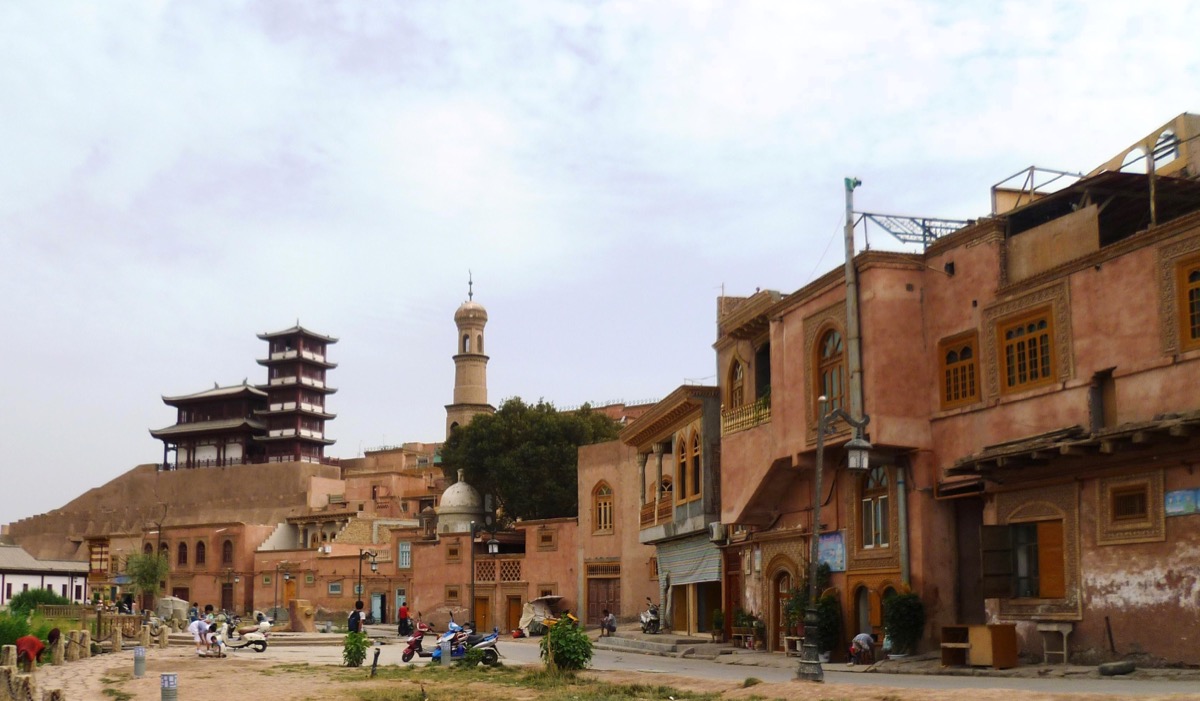
Kashgar is where cafe culture meets architecture. The restored Old Town is dotted with rooftop terraces where you order a latte and a slice of cake, then watch the lanes fill with children and market carts. These are also the best casual vantage points for photography without intruding on residents’ courtyards.
For a curated list of the best perches and nearby stays, see the Kashgar rooftop cafe guide. Go late afternoon; the golden-hour light on the mud walls is worth the wait.
What to order (and what to skip)
Stick to milk-based drinks and espresso if you want consistency. Filter and pour-over quality varies by shop — the good ones roast on-site. Avoid “instant coffee” traps at bus-station kiosks; they bear no relation to the real thing. A useful comparison:
| Drink | Typical price (¥) | Best found |
|---|---|---|
| Latte / flat white | 28–42 | Urumqi, Kashgar, Yining |
| Espresso shot | 18–25 | Specialty bars |
| Pour-over | 35–55 | Roaster cafes only |
| Turkish-style coffee | 20–30 | Old Town tea houses |
| Salt milk tea (traditional) | 8–15 | Everywhere, all day |
Beyond the big two: Yining, Turpan and the road
Yining (Ghulja) in the Ili Valley has a relaxed riverside cafe culture with Russian and Central Asian hints — fitting, given its history. Turpan’s cafes are fewer but welcome oases in the heat. On long drives, the occasional highway service-area “coffee” is usually a vending machine; plan your real coffee stops in town.
Cafe etiquette and practical notes
Cafes here are calm, laptop-friendly spaces — not the loud third-wave temples of some cities. Tipping is not expected. Most close by 10 or 11 pm. During Friday prayers in Muslim-majority towns, expect a quiet midday lull rather than closure. Power banks still beat hope, but outlets are usually available.
Tea vs coffee: building a daily rhythm
After a few weeks I fell into a pattern: salty milk tea at a roadside stop mid-morning, a real espresso in whatever town I reached by mid-afternoon, and herbal tea back at the guesthouse at night. The contrast is part of the joy. Coffee gives you a reason to sit still; tea gives you a reason to talk to someone. Both slow you down in a landscape built for speeding through, and neither should be rushed.
Coffee as a work-and-recharge stop
On driving days I treat a cafe as a mandatory two-hour reset: water, charge, stretch, and download offline maps for the next leg. The best ones sit near a park or a quiet lane so the break feels like travel rather than an airport lounge. In Urumqi especially, a morning cafe stop before a long highway day genuinely improves the drive that follows.
What surprises first-timers
Two things catch people off guard. First, the quality in the top spots rivals coastal metropolises — do not lower expectations just because you are far from the coast. Second, the calendar matters: university-area cafes empty during summer holidays, while Old Town rooftops fill with the tourist season. Timing your coffee stop to the town’s rhythm is part of the fun, and asking a barista what’s good that week often surfaces a cafe the guidebooks missed.
Ordering like a local
If you want to blend in, order a latte “with oat milk” only where you see the carton — dairy is standard and excellent here, often from local herds. Ask for “less sweet” if you order any flavored drink; default sweetness runs high. And if a cafe offers a local walnut or rose-jam pastry alongside, take it — those pair better with black coffee than any imported cookie, and they make a cheap, memorable breakfast before a big sightseeing day.
Cafes as safe spaces for solo travelers
For solo travelers, especially women, cafes are among the most comfortable public spaces to sit alone for hours. They are well-lit, staffed, and socially neutral. I have written half my trip notes in Xinjiang cafes and never once felt out of place. Treat them as a mobile base camp between the big, empty landscapes, a place to regroup before the next long, glorious stretch of road.
A price reality check
Worried about cost? A specialty coffee in Xinjiang runs cheaper than in Shanghai or Beijing, and far cheaper than a comparable cup in Europe. For the comfort, Wi-Fi, and charging it buys on a remote route, it is the best-value “service fee” you will pay all trip. Budget one or two cafe stops per town and you will arrive at each border checkpoint calmer than you left it.
The habit I kept on my last trip was taking the second cup slowly and listening. Half of what I learned about Xinjiang coffee came from watching how people sit, not from reading the menu. Come once mid-morning, order something small, and stay past the rush — the quiet half-hour is the part worth the trip.
Frequently Asked Questions
Is good coffee easy to find outside Urumqi and Kashgar?
Decent espresso exists in Yining and Turpan, and tourist towns along the main routes usually have at least one Western-style cafe. Remote counties and scenic areas are coffee deserts — enjoy the tea there instead.
Can I work from cafes in Xinjiang?
Yes. Urban cafes are laptop-friendly with Wi-Fi and outlets. Just buy regularly and keep calls quiet; they are social spaces, not offices.
Is coffee halal / suitable for Muslim travelers?
Plain coffee and milk drinks are fine. Some cafes also serve cake or snacks; if unsure, ask or choose fruit-and-nut local sweets instead.
How does cafe coffee compare with traditional milk tea?
Milk tea is the everyday local drink — salty, filling, and cheap. Cafe coffee is a newer, leisure-oriented treat. Both have their place; I drink tea by day and save coffee for a slow evening on a rooftop.
Are cafes good for meeting locals or other travelers?
In tourist hubs, yes — rooftop and specialty cafes are natural meeting points. In smaller towns, they are quieter family or student spots. Either way, they are the most reliable comfortable break on a long route.