The Southern Xinjiang Loop: Kashgar, the Pamirs, and the Desert Road
The south loop is the trip I recommend to people who already did the famous north and want the rougher half. It starts in Kashgar, climbs onto the Pamir, then drops into the Tarim basin and its long desert highways. It is spectacular and it is unforgiving if you underplan.
The shape of the loop
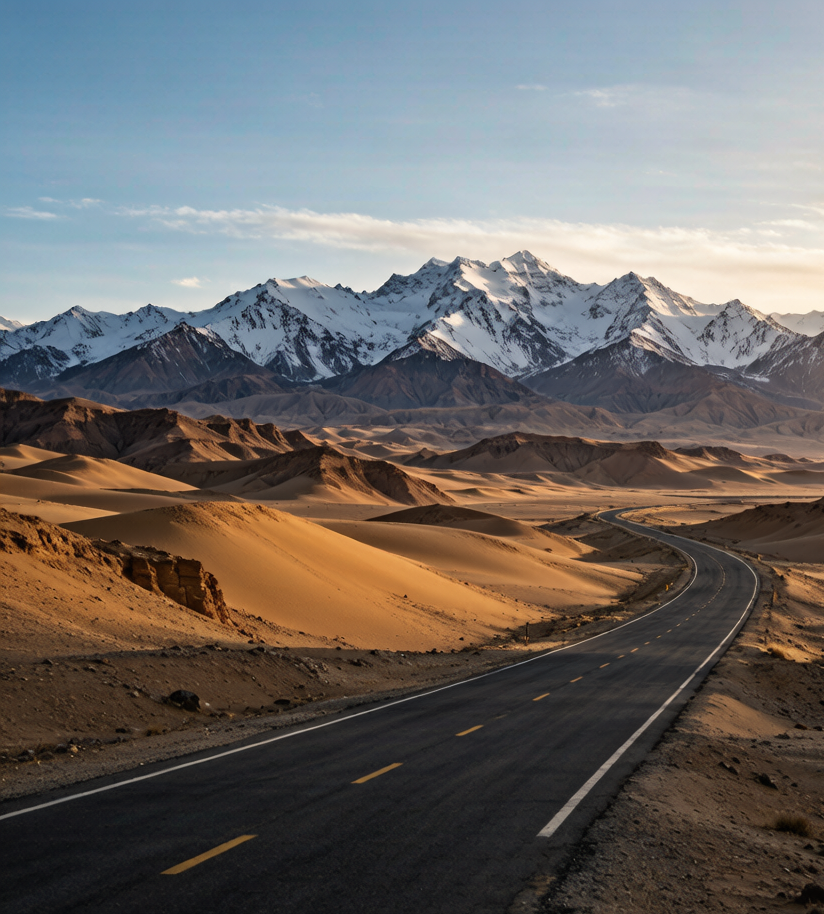
From Kashgar you head south to Tashkurgan on the Karakoram approach, with Karakul Lake as the obvious overnight. Then you can run the desert roads east through the Tarim, linking oasis towns like Khotan and Aksu, before bending north to Kuqa and back west. That is roughly two weeks if you drive it instead of racing it.
The permit you cannot skip
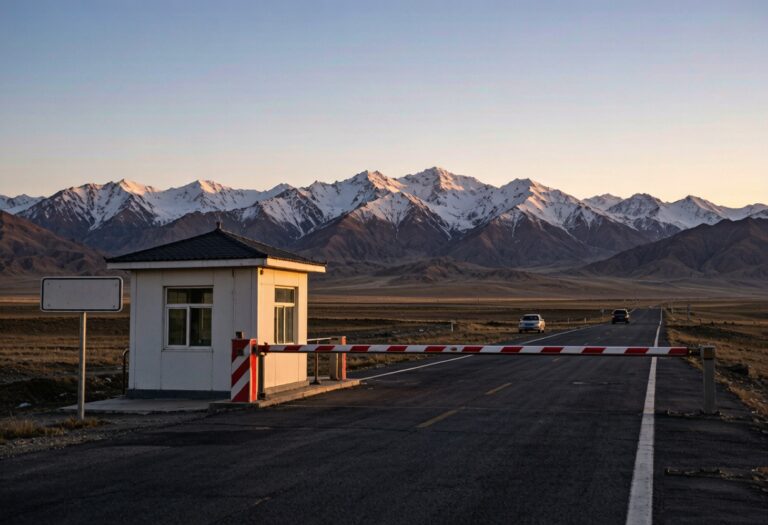
Tashkurgan sits in a border zone, so the border permit is mandatory, and you apply in Kashgar. Build a buffer day, because the office runs on its own clock. I have met travelers turned back at a checkpoint for a permit they thought was optional. It is not.
Altitude and the long nothing
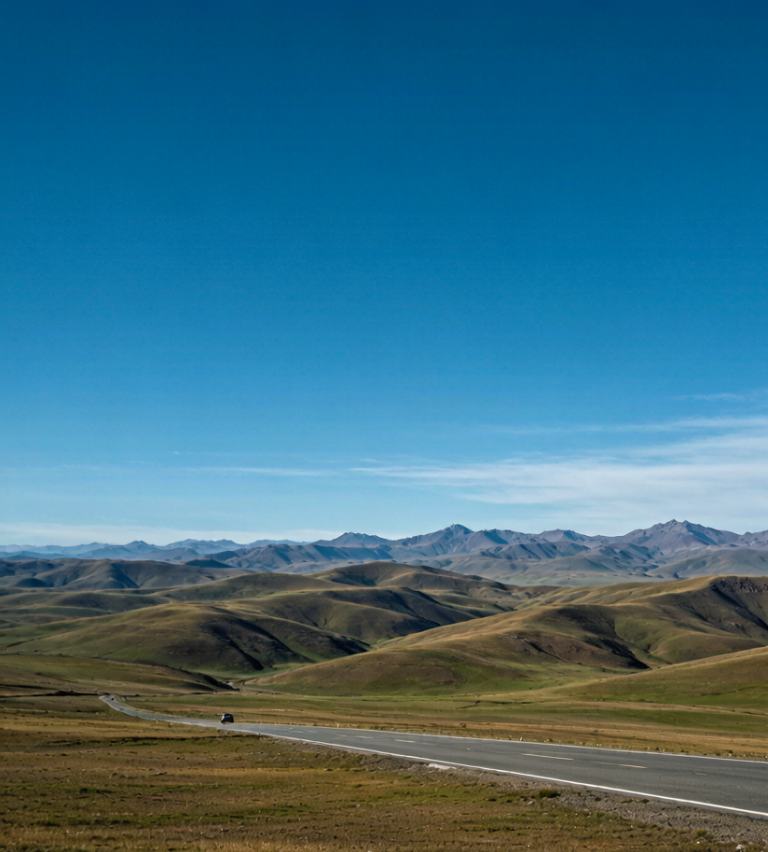
The Pamir section sits high, and the desert roads are long stretches of little. Fuel, water, and a charged phone are not suggestions. The altitude is the quiet risk; the desert is the loud one. I treat the whole loop as remote from the moment I leave Kashgar, because the services thin out fast.
Why it is worth the friction
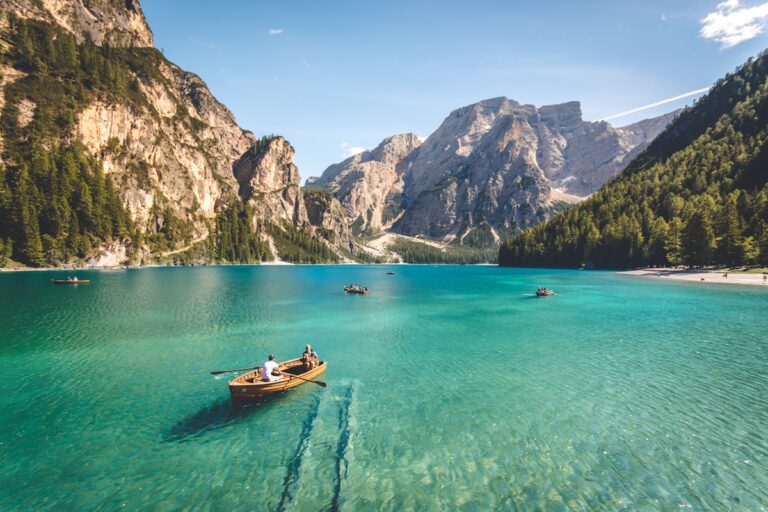
The north gets the postcards. The south gets under your skin. The Pamir light, the Tarim silence, the oasis towns that have not performed for you yet, these are the parts I remember when the famous sights blur together. Drive it with respect and it repays the effort.
What to sort out before you fly
The first two nights in the far cities, which is where the good rooms go. And the car, if you are driving, well ahead in the peak months. Three things, in this order. Everything else on this list can be sorted at the airport desk or the hotel lobby, and mostly is. The border permit if your routing goes near a closed frontier, because that one has lead time nobody can compress. For the part people underestimate, see our [[north-vs-south-xinjiang-itinerary-guide|North vs South Xinjiang: Building the Right…]].
Who this kind of trip suits
There is no version of this where you see the whole region in three days, and the guides promising it are lying. Someone with a week, or two, prepared to sleep in two different kinds of bed in four days. Someone who likes long horizons on the road and does not need a cafe on every corner. It is less good with a fixed number of days, a small budget for a guided solution, and a low tolerance for checkpoints. Where most people get the logistics wrong is covered in our [[south-xinjiang-tourism|South Xinjiang Tourism: An Immersive…]].
When to actually go
Timing makes or breaks this loop. Late spring to early autumn is the window; the Pamir is brutal and sometimes closed in deep winter, and the desert roads are best before the worst summer heat. I would not run the full south loop in July without accepting some 40-degree afternoons and planning drives for the cool ends of the day. Give Kashgar two nights before you head south, because the permit office and the packing both take longer than the map suggests. And leave a buffer day you do not allocate to anything, because a closed pass or a missed permit will use it, and a rigid schedule is the fastest way to spoil a route this remote. The loop rewards patience more than any other in the region.
Fuel and the last petrol
On the desert legs, fuel is the planning backbone. I fill at every decent station and never let the gauge pass half between known towns, because the next pump can be far and the remote ones close early. The Pamir stretch especially rewards a full tank at Kashgar before you climb. Carry cash for the small stations that do not take cards, and a power bank for offline maps, since the signal thins on the high passes. I also tell someone the rough plan and check in when I reach each town, because the loop is remote enough that solitude is real. The road rewards preparation more than bravado, and a calm, fueled, mapped loop is the one that actually finishes. Plan the empty spaces and the drive becomes a pleasure.