Visa Extensions and Consulates: Staying Longer in Xinjiang
Someone always asks me if they can just extend their visa in Kashgar. I wish the answer were yes. The realistic answer is that extending a standard China visa inside Xinjiang is rare and uncertain, and planning around that fact saves more trips than any hopeful loophole.
The honest baseline
Most travelers enter on a visa issued abroad and simply leave before it expires. Arriving overland from the east means you have already burned days getting here, so the clock matters. I plan my exit date before I arrive, not after, because retrofitting a longer stay is where people get stuck.
Where consulates fit
For overlanders doing a loop, the relevant embassies and consulates are usually in neighboring countries, not in Xinjiang itself. The Torugart crossing into Kyrgyzstan, for instance, is a known exit for those on a wider Central Asia route, and the paperwork lives on the other side. I treat any border plan as a separate project with its own rules.
The permit layer on top
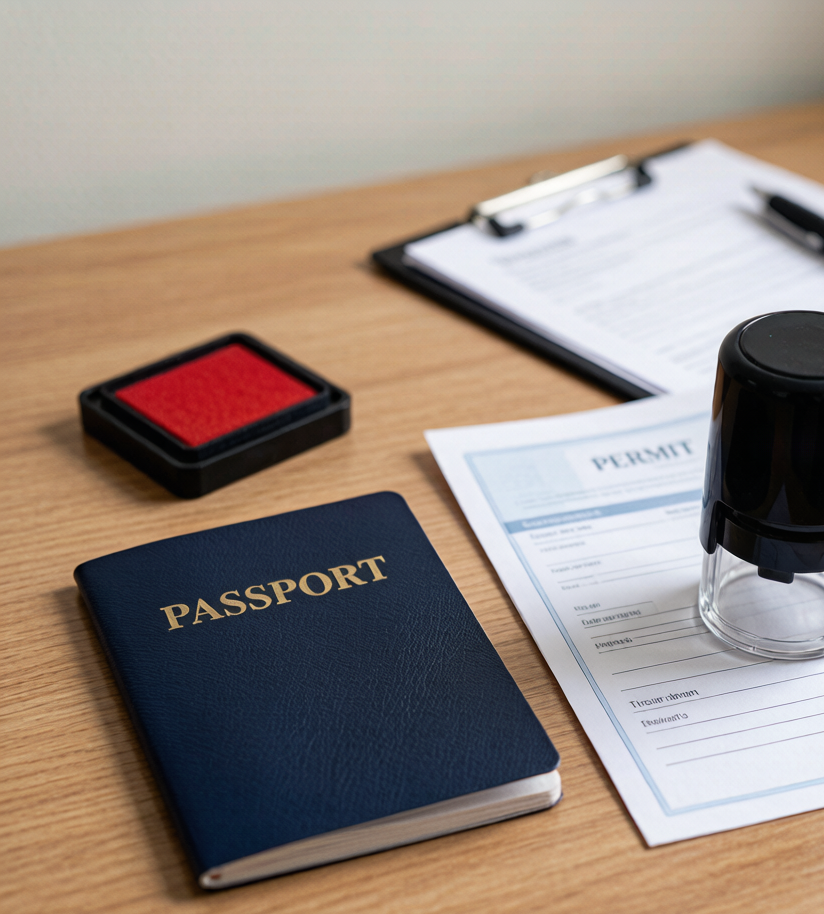
Even with a valid visa, reaching places like Tashkurgan means a separate border permit, and that is administered locally, not through immigration. Confusing the two is the classic mistake. I keep visa and permit as two different folders in my head and in my bag.
Practical advice
If you genuinely need more time, sort it before you fly, or build your route so a neighboring country is the extension. Pair any stay with the hotel registration rules, because the police check-in follows you the whole time. I have watched travelers assume one office fixes everything and learn otherwise at the worst moment.
There is no secret desk in Kashgar that stamps extra months. Plan for the visa you have, and the trip stays calm.
Timing your visit to {P}
Budget the full morning. That covers the walk in, the slow look at the main feature, the side trails almost nobody does, and getting back to the car before the light goes flat. Half a day is enough to understand it. Ninety minutes is enough to tick the box. A full day is what you want when the point of coming was Xinjiang Visa Extension itself rather than a stop on the way.
The first time I rushed it and spent the whole visit looking up at the same rock from one spot. The second I gave it a morning and a late-afternoon return and saw two completely different places, because the light moved across the surface and the crowds thinned to nothing. My own rule now: if I have to choose between this and an extra evening in Xinjiang, I keep the evening. Most first-timers plan two hours and then get stranded. The gates open early and the last entry tends to stop a couple of hours before closing, so the promise of coming back for sunset is not always possible.
That stretch of the trip is described in our [[xinjiang-visa-free-transit|Visa-Free Transit in Xinjiang: The…]] too.
Who should think twice about {P}
If you are short on days, this is the thing to cut, and no guidebook will tell you that. Xinjiang Visa Extension is superb, but it is also an hour or more in each direction from everything else you planned, and the drives are what eat the schedule. It suits people who like landscape and can walk a few kilometres at their own pace. It suits a traveller with a car and a flexible morning. The honest version: take half a day if that is all the arithmetic allows, and save the full day for the thing that is genuinely once in a lifetime. It does not suit a family with a small child who needs a shade stop every forty minutes, and it does not suit anyone in week two of a high-altitude trip still feeling it.
I am not going to pretend this is gentle. There is a lot of unshaded ground, the altitude is real if you came from a low-altitude city, and the swing between the car and the viewpoints is enough to give you a headache on an empty stomach. Who it does suit: someone wanting one strong memory, someone driving the Xinjiang loop anyway, someone willing to be out before breakfast. Who it does not: anyone whose main goal is a relaxed few days, and anyone who has already done this same thing twice here. That stretch of the trip is described in our [[xinjiang-visa-free-144-hour-transit|Xinjiang Visa-Free Transit: The 144-Hour…]] too.
The angles people miss
Two things worth knowing. The 144-hour transit rule applies at certain Chinese entry points and can buy time if your route is built around it, but it is a plan, not a rescue, and the paperwork wants precision. And if you are on a wider Asia loop, places like Hong Kong or a Central Asian capital are where the real extension tends to happen, not Xinjiang. I have watched travelers assume the region is a visa office and learn otherwise at cost. Build your exit date before you fly, keep the permit and the visa as separate tracked items, and treat any plan to “sort it there” as the riskiest sentence in your itinerary. The calm trips are the ones planned around the visa you have.
The registration you already carry
Separate from any visa question is the temporary stay registration, the local police check-in that follows you the whole time you are in China. Hotels do it automatically, but an apartment or a village guesthouse may not, and then you must visit a station with your passport within a day or two. I treat this as non-negotiable, because an unregistered stay is the kind of small problem that becomes a big one at the border. Pair it with the [[booking-hotels-china-foreigner|hotel rules]] when you book, and keep the registration receipt with your passport. The visa is the entry; the registration is the daily glue, and confusing them is the classic traveler error. Stay on top of both and the region stays open to you.