Aksu, Xinjiang: A Traveler’s Guide to the Southern Silk Road’s Oasis Gateway
Aksu Xinjiang: A Traveler’s Guide to the Southern Silk Road’s Oasis Gateway
Aksu Xinjiang sits at the northwestern edge of the Tarim Basin, where the snowmelt-fed Aksu River carves a green ribbon of farmland out of the Taklamakan Desert. Prices, opening hours, and road conditions change frequently in this part of Xinjiang, so every figure here should be confirmed locally or through your accommodation before you commit. Where a number is uncertain, this guide says so plainly rather than presenting an estimate as fact. Treat the itinerary and costs as a planning baseline, not a guaranteed quote.
Aksu Xinjiang: Overview & Key Facts
Aksu Prefecture (阿克苏地区) covers a large slice of southwest Xinjiang and sits on the northern rim of the Tarim Basin. The name Aksu comes from Uyghur and means “white water,” a reference to the pale, glacier-fed Aksu River that irrigates the oasis. The prefecture seat is Aksu City, the base most travelers use.
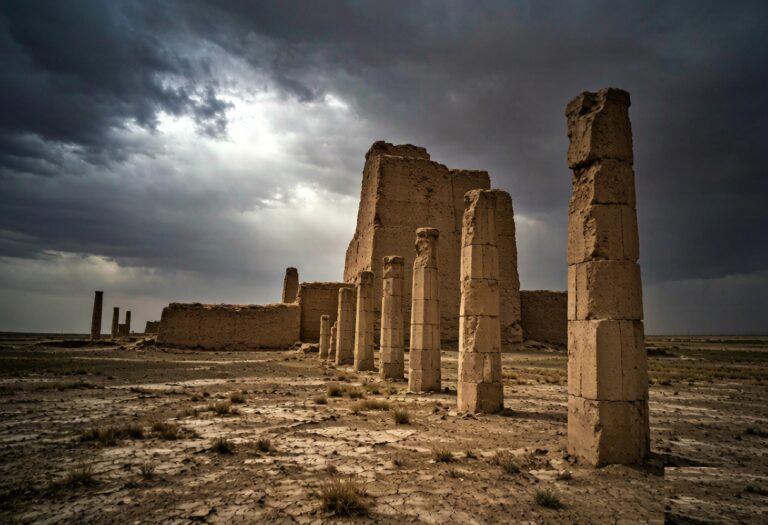
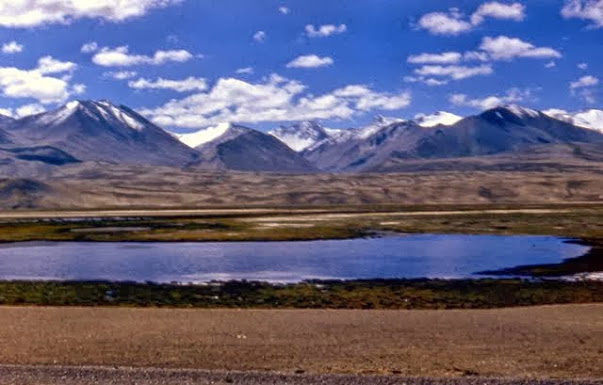
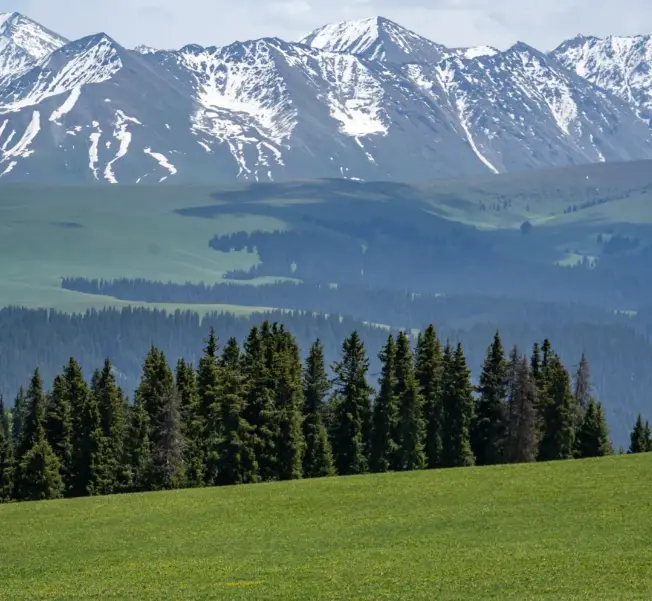
The region’s identity is tied to three things: cotton and apples (the area is known across China for Aksu “sugar heart” apples), the southern branch of the Silk Road, and the desert that surrounds it on three sides. Unlike Kashgar to the southwest or Kuqa (库车) to the east, Aksu is less packaged for tourism. What you get is a functioning oasis town with access to dramatic natural sites: the Taklamakan’s edge, the Tianshan mountains to the north, and the Grand Canyon of Tianshan (also called Kezil Dalwazu or the Tianshan Grand Canyon) near the town of Wensu.
Key facts at a glance:
| Item | Detail |
|---|---|
| Administrative status | Prefecture-level region, Xinjiang Uyghur Autonomous Region |
| Seat | Aksu City |
| Name meaning | “White water” (Uyghur), for the Aksu River |
| Famous for | Aksu apples, long-staple cotton, Silk Road ruins, Tianshan canyon |
| Nearest major hubs | Kashgar (southwest), Kuqa (east), Urumqi (north) |
| Main language | Mandarin and Uyghur widely used |
The roads you are actually on
Aksu is reachable by air, rail, and road. Traveler reports and schedules published through 2024 indicate the following options.
By air. Aksu Airport (AKU) runs flights to and from Urumqi and several other Xinjiang cities. Travelers report direct flights from Urumqi taking roughly 1.5 to 2 hours. From the airport, the city center is a short taxi or bus ride. This is the fastest way in if you are starting from outside the region.
By rail. The Southern Xinjiang Railway connects Aksu with Urumqi, Kashgar, and Kuqa. Sleeper trains from Urumqi take a long portion of a day or an overnight run depending on the service. Rail is the budget-friendly choice and lets you watch the landscape shift from grassland to desert.
By road. Aksu lies on the G3012 Turpan-Kashgar expressway corridor. Driving from Kashgar to the southwest or from Kuqa to the east is straightforward on paved highway. Some travelers approach Aksu as a stop on a longer southern Silk Road route that also links to the Taklamakan Desert Highway, which skirts the desert to the east. Note that distances are large and fuel and rest stops are sparse between towns, so plan fuel and water carefully.
The comparison below shows how the three modes differ according to published schedules and traveler feedback.
| Mode | Typical time from Urumqi | Cost level | Best for |
|---|---|---|---|
| Air | ~1.5 to 2 hours | Moderate to high | Speed, short trips |
| Rail (sleeper) | Overnight / long daytime | Low to moderate | Budget, scenery |
| Road (self-drive) | ~12 to 16 hours | Moderate (fuel + car) | Flexible routes |
Cost of getting in
Tianshan Grand Canyon (Wensu). Entry to the canyon scenic area is reported by travelers to start around 30 to 45 RMB as of 2025. Some reports mention additional shuttle bus fees inside the park, typically 20 to 40 RMB. Confirm locally, since the area has adjusted ticketing and shuttle rules in recent years.
Aksu City museums and parks. The Aksu Prefecture Museum and public parks are widely reported as free or low cost (under 20 RMB) when open. Hours and opening days vary, and some traveler reports note closures on certain weekdays, so check ahead.
Transport within the city. Taxis and ride apps in Aksu City are inexpensive by Chinese standards. A short cross-town trip is usually under 15 RMB according to recent traveler reports.
Accommodation. Budget hotels in Aksu City commonly run 120 to 250 RMB per night as of 2024 to 2025. Mid-range options reported by travelers sit in the 250 to 500 RMB range.
A practical daily budget for a solo traveler using budget transport and lodging, based on reported figures, looks like this:
| Expense | Low estimate (RMB/day) | Mid estimate (RMB/day) |
|---|---|---|
| Lodging | 120 | 350 |
| Food | 60 | 150 |
| Local transport | 40 | 100 |
| Attraction tickets | 30 | 80 |
| Total | ~250 | ~680 |
How the season shifts
The climate is continental and arid. Summers are hot and dry, with daytime highs that traveler reports place often above 30°C and sometimes near 35 to 40°C in July and August. Winters are cold, with the oasis dipping below freezing. Spring and autumn are the comfortable windows.
April to May. Orchards and farmland turn green, and the apricot and apple blossoms draw local visitors. Dust storms are possible in spring, so pack a mask.
September to October. This is the most cited favorable window. The heat eases, the light is clear, and the apple harvest makes fresh produce abundant and cheap. Many traveler reports name October as the best month for photography and comfortable walking.
June to August. Very hot but workable if you start early and rest midday. The best time to visit Xinjiang guide covers the broader regional pattern if you are combining Aksu with other prefectures.
November to March. Cold and quiet. Some mountain roads and canyon access may be limited by weather. Few travelers visit in deep winter.
The itinerary I would follow
This is a suggested 3-day plan based on reported opening hours and travel times. Clock times are approximate and assume you stay in Aksu City.
| Time | Day 1: City & Culture | Day 2: Tianshan Canyon | Day 3: Oasis & Departure |
|---|---|---|---|
| 08:00 | Breakfast at a local noodle shop | Depart Aksu for Wensu canyon (1h drive) | Visit Aksu Prefecture Museum |
| 09:30 | Walk Aksu River park greenbelt | Arrive canyon gate, buy ticket | Stroll old town market for apples |
| 11:00 | Aksu Prefecture Museum | Shuttle bus into canyon | Coffee or tea rest |
| 13:00 | Lunch: hand-pulled laghman | Picnic lunch at viewing area | Lunch near bus station |
| 15:00 | Local bazaar and produce shopping | Hike short trail, photo stops | Last-minute supplies |
| 17:30 | Rest at hotel | Return to Aksu City | Transfer to airport or rail |
| 19:30 | Dinner: kebab and naan | Dinner at city restaurant | Depart |
If you have more time, a fourth day can be spent driving toward the desert edge or linking west toward the Kashgar Old City, which is a longer but rewarding extension of the southern Silk Road theme.

Hostels, hotels and homestays
Aksu City has the widest choice. Traveler reports describe a range from budget chain hotels to a few higher-end properties. Most visitors stay in the city center near the main roads, which keeps taxis and food within easy reach.
Budget. National chain hotels and local guesthouses in the 120 to 250 RMB range are common and acceptable for short stays. Book ahead during October, the busy harvest and travel month.
Mid-range. Several travelers mention comfortable business hotels in the 250 to 500 RMB bracket with reliable heating, hot water, and Wi-Fi. These are the practical choice if you will spend early mornings and late evenings there.
Near attractions. Lodging at the Tianshan canyon itself is limited. Most people do the canyon as a day trip from Aksu City rather than overnighting at the site. If you want to be closer, ask your hotel about drivers for a round trip.
There is no need to book far outside the city. The scenic sites are day-trip distance, and staying in town gives you better food and transport options.
Food (What & Where to Eat Nearby)
Aksu’s food scene reflects its Uyghur and Han mix. Traveler reports consistently mention the following as worth trying:
Aksu apples. The “sugar heart” apple is the local signature. In autumn, roadside stalls and markets sell them by the kilogram at low prices. They are crisp and sweet and make a good road snack.
Laghman and naan. Hand-pulled noodle dishes (laghman) and freshly baked naan bread are staples. Small shops near the bus station and main streets serve them hot.
Kebabs (chuan). Lamb skewers grilled over charcoal are everywhere in the evening. Pair with flatbread and tea.
Polo (pilaf). Rice with carrot and lamb, a regional standard, is cheap and filling.
Where to eat. The areas near the central market and the long-distance bus station cluster have the most local eateries according to reports. Night markets pick up after sunset in warmer months. For a sit-down meal, mid-range restaurants in the city center serve both Uyghur and Chinese dishes.
Travelers note that halal practice is standard in Uyghur-run restaurants, so pork is not served in those venues. If you need specific dietary options, ask your hotel for guidance.

Ground truth
Documents and checks. Xinjiang has security checkpoints on highways and at some entrances. Carry your passport or ID and allow extra time at road stops. Traveler reports say checks are routine and usually quick.
Connectivity. Mobile coverage is good in the city and along main highways but can drop in the canyon and deep desert. Download offline maps before heading out.
Cash and payments. Alipay and WeChat Pay dominate, but carry some cash for small stalls and remote stops.
Sun and dryness. The oasis is sunny and dry year round. Bring sunscreen, lip balm, and a refillable water bottle. A dust mask helps in spring.
Language. Mandarin works in hotels and official sites. In markets, some Uyghur-only speakers appear; a translation app helps. Learn a few greetings to ease interactions.
Altitude and heat. Aksu City is low elevation, so altitude is not a concern. Heat in summer is the main physical factor. Start canyon visits early.
Getting around. Without a car, use taxis and arrange day-trip drivers through your hotel for the canyon. Public buses to Wensu exist but are slower and less flexible.
Questions from readers
Is Aksu worth visiting if I have already been to Kashgar or Kuqa? Traveler reports suggest Aksu offers a different, less tourist-built experience: a working oasis with strong apple and cotton identity and direct access to the Tianshan Grand Canyon. If you want the southern Silk Road without the heavy tourist framing of Kashgar, it adds value. It pairs well as a stop between Kuqa and Kashgar.
How far is the Tianshan Grand Canyon from Aksu City and can I do it in half a day? Reports place the canyon about one hour’s drive from the city near Wensu. A half-day round trip is possible if you leave by 08:00, but a full day is more relaxed and allows photo stops without rushing.
Are Aksu apples available year round or only in autumn? Fresh sugar-heart apples peak in September and October. Cold storage keeps them available through winter in markets, but the autumn harvest is when price and quality are best according to local reports.
Do I need a special permit to visit Aksu as a foreign traveler? Public guidance indicates Aksu Prefecture is open to foreign visitors, but rules and checkpoint procedures can change. Check current entry and region rules with your embassy resources and local authorities before travel, since this compiles reports rather than live official confirmation.
What is the desert edge like and can I see the Taklamakan from Aksu? The Taklamakan begins a short distance south of the oasis. Traveler reports describe the contrast of green farmland meeting dunes as striking. You can view the desert margin on the road south, and it connects to the wider Xinjiang travel desert routes.
Is English spoken at hotels and attractions in Aksu? English is limited outside top-tier hotels in bigger cities. In Aksu, expect Mandarin at most counters. A translation app and your hotel’s help cover most needs. Download key phrases in advance.
How many days should I plan for Aksu itself? Most itineraries use two to three days: one for the city and museums, one for the Tianshan canyon, and an optional buffer for markets or a desert-edge drive.