Tashkurgan Town: The Tajik Outpost at the Roof of the Pamir
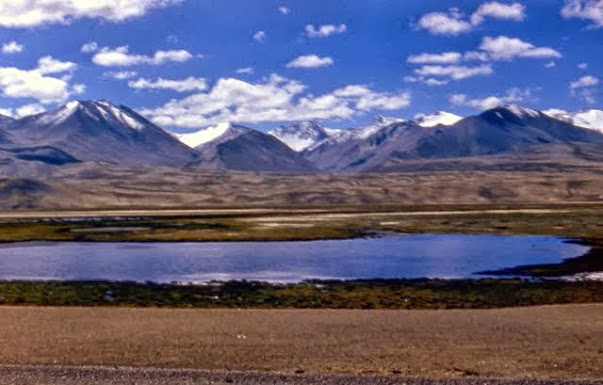
Tashkurgan (Taxkorgan) sits at ~3,100 m on the Pamir Plateau, a Tajik town at the crossroads of China, Pakistan, Afghanistan, and Tajikistan — and culturally unlike anywhere else in Xinjiang. The people are Pamiri Tajik, not Uyghur or Han; the language is an Iranian tongue; the faces and the stone towers belong to the high mountains. For travelers, it’s the base for the Pamir and a destination in itself — a place where the roof of the world feels lived-in.
Last updated: July 15, 2026 · Written by Karl Huang, a Xinjiang travel specialist who has spent time across the region. Practical details are cross-checked against official tourism, transport, and border-regulation sources.
You need the border permit to be here; that’s what makes it special.
The Stone City (石头城)
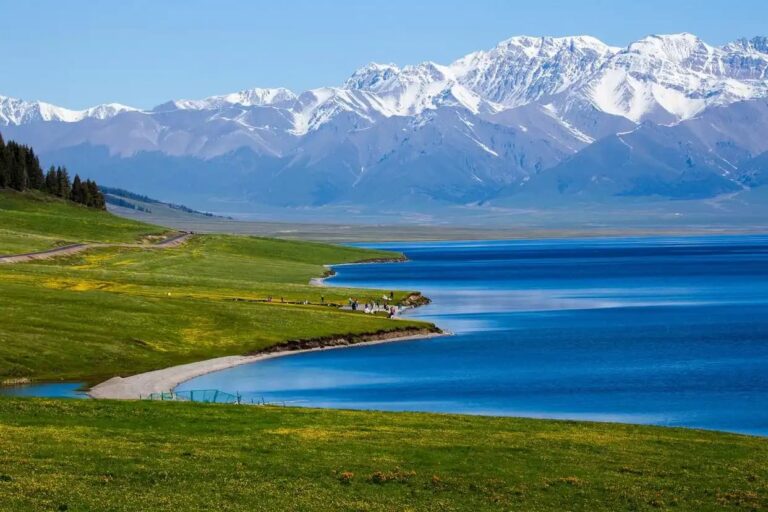
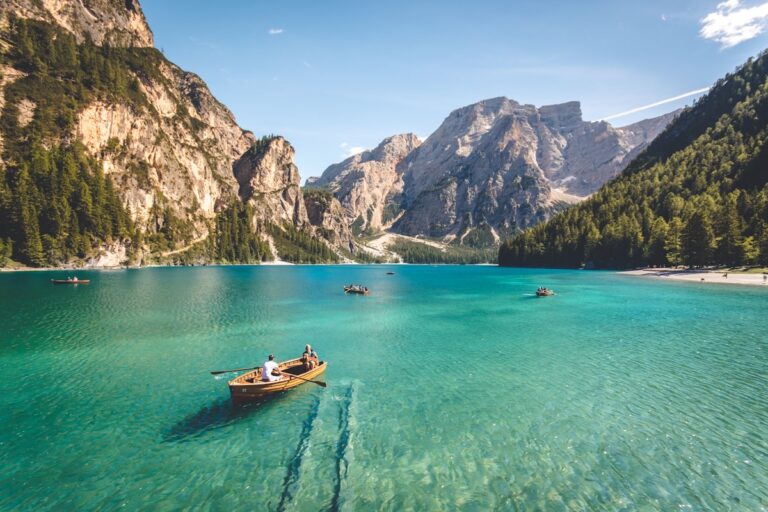
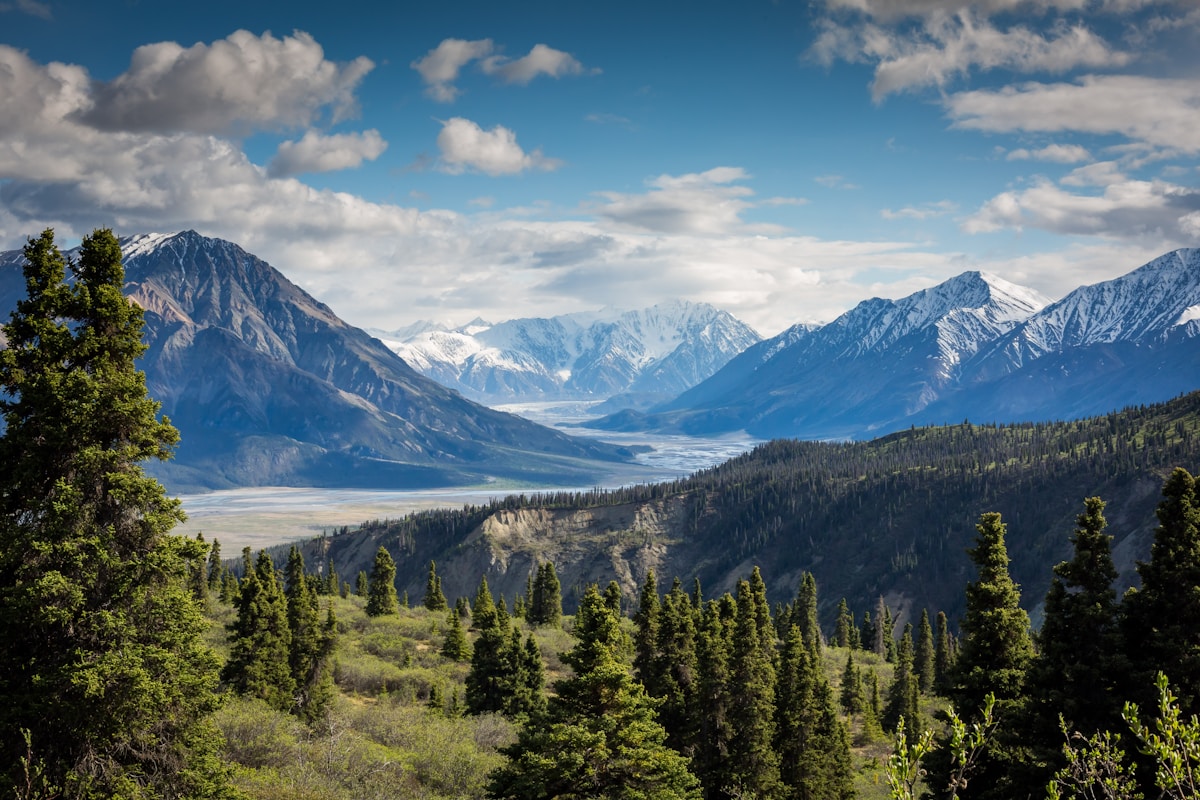
Above town stand the ruins of an ancient stone fortress — a Takht (throne) settlement on the Silk Road for two thousand years, with the grassy ‘Golden Grassland’ (金草滩) below it, perfect at dusk when the light goes gold on the wet meadow and the fort silhouettes. It’s the town’s signature view and an easy walk from the center. Go for sunset; mornings are flat.
The Town and the People
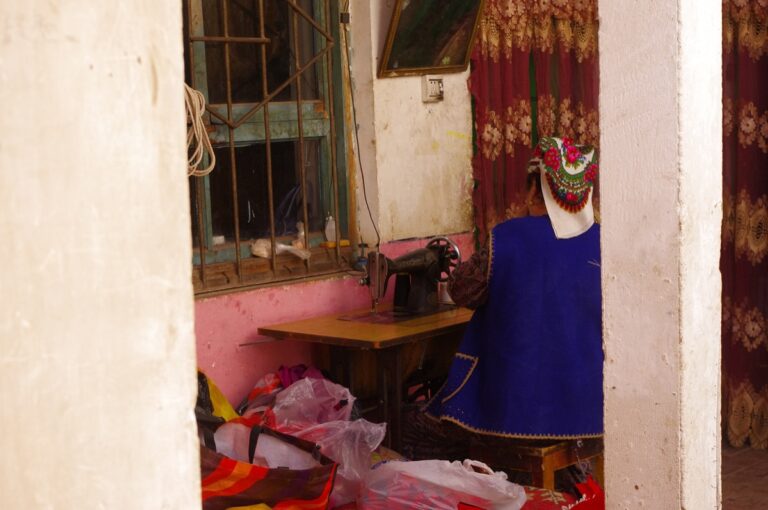
Tashkurgan is small, clean, and calm — a few streets, a bazaar, and a strong Tajik identity (the region is officially the Tajik Autonomous County). The Friday market and the occasional eagle-hunting demonstrations (with trained falcons) are cultural highlights. Locals are welcoming; a few words of greeting go far. The altitude is real — move slowly your first day.
Using It as a Base
Tashkurgan is the launch point for Karakul Lake (day trip north) and the Khunjerab gateway (day trip south). Overnight here twice if you’re doing both, to acclimatize and to catch the Stone City at the right light. Lodging is basic but adequate; fuel and food are available. From here, the Pamir’s vast silence is an hour in any direction.
Why It Matters
Most Xinjiang trips are Uyghur or Han; Tashkurgan is the region’s Iranian corner, a reminder that the province sits at a continental crossroads, not a single culture. Add it to a Pamir drive and you get not just scenery but a people — the highlanders who’ve owned the roof of the world longer than any empire. It’s the most distinct stop in southern Xinjiang.
The Stone City and Golden Grassland
Above the town stand the ruins of an ancient stone fortress – a Silk Road settlement for two thousand years – with the grassy Golden Grassland (金草滩) spread below it. It’s the town’s signature view and an easy walk from the center. Go for sunset, when the light goes gold on the wet meadow and the fort silhouettes against the peaks; mornings are flat and less dramatic.
Worth pairing with
Ask at the hotel desk the evening before what opened this week, because several of these places shift their hours with the season and the leaflet in the lobby is a year out of date. The stops most people miss are the small ones between the big names. Tashkurgan Town The Tajik sits naturally into a longer Tashkurgan day. With a car the combination that worked for us was the site in the morning, a long lunch somewhere with shade, and the other place in the late afternoon, so two half-days covered a full one. For the part people underestimate, see our [[tashkurgan-stone-city-tajik-heritage-pamir|Tashkurgan: Stone City, Golden Grass Beach…]].
The hour I go back for
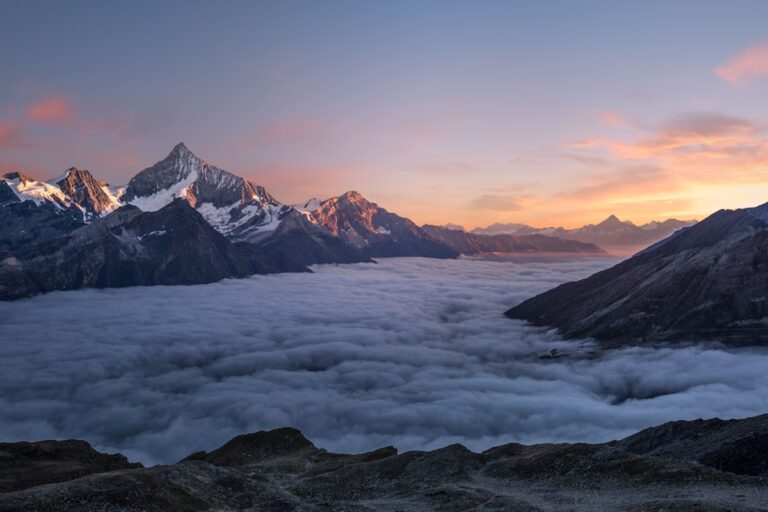
Everything goes flat, the shade disappears, and the temperature on an open plateau rises in a way that stops you caring about photographs. Go early or go late and the same ground gives you two different subjects. Between the two I would pick the later one, mostly because the early version costs you the rest of the day. Sunrise is the one worth an alarm for. The whole face of Tashkurgan Town The Tajik turns a colour that does not exist at any other time, and the site is empty enough that you can stand still and hear nothing.
I have come to like the last forty minutes before the gate shuts, when the groups have gone and the staff are sweeping, because that is when you can look up properly instead of squeezing a shoulder past strangers. By ten the coaches are here, and by one it is an hour of people shuffling past. The light is only free of company on a Tuesday. Whatever the guidebook says about golden hour, go on a weekday. Midday is the hour to avoid, not the hour to schedule.
I wrote the driving side up in our [[xinjiang-tajik-pamir-culture|Pamir Tajik Culture: Meeting the Eagle…]] as well.
Life in Town
Tashkurgan is small, clean and calm – a few streets, a bazaar, and a strong Tajik identity (it’s the Tajik Autonomous County). The Friday market and occasional eagle-hunting demonstrations with trained falcons are cultural highlights. Locals are welcoming; a few words of greeting go far. The altitude is real at ~3,100 m, so move slowly on your first day and let your body adjust.
Using It as a Pamir Base
Tashkurgan is the launch point for Karakul Lake (a day trip north) and the Khunjerab gateway (a day trip south). Overnight here twice if you’re doing both, to acclimatize and to catch the Stone City at the right light. Lodging is basic but adequate, and fuel and food are available; from here the Pamir’s vast silence is an hour in any direction.
For the whole overland route, my Pamir Highway Xinjiang Guide: Kashgar to Tashkurgan on the Karakoram Highway covers Kashgar to Tashkurgan, permits, and where to overnight.