Driving from Xining to Xinjiang: The Qinghai Overland Route I Actually Took
Most people fly into Urumqi. I preferred to arrive by road, and the route that pulled me in was the long haul from Xining, across Qinghai, and over the border into Xinjiang. It is the kind of drive you do for the landscape, not the speed, and it pairs naturally with the more famous Gansu-Dunhuang gateway if you want to stitch two approaches together.
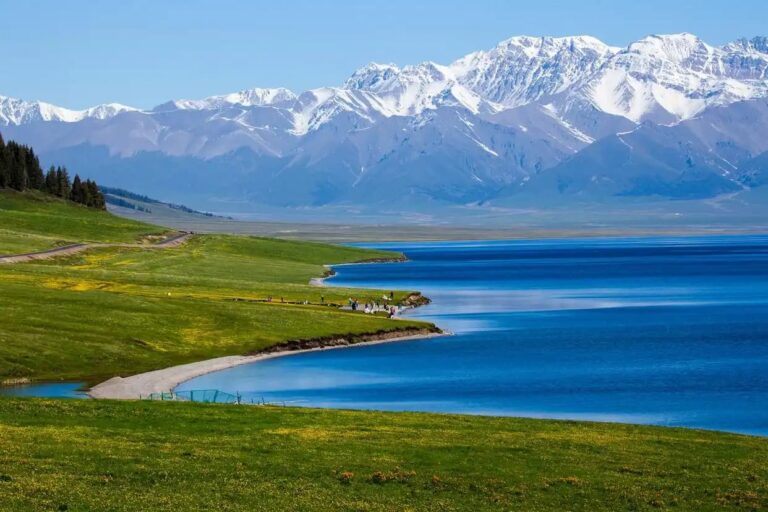
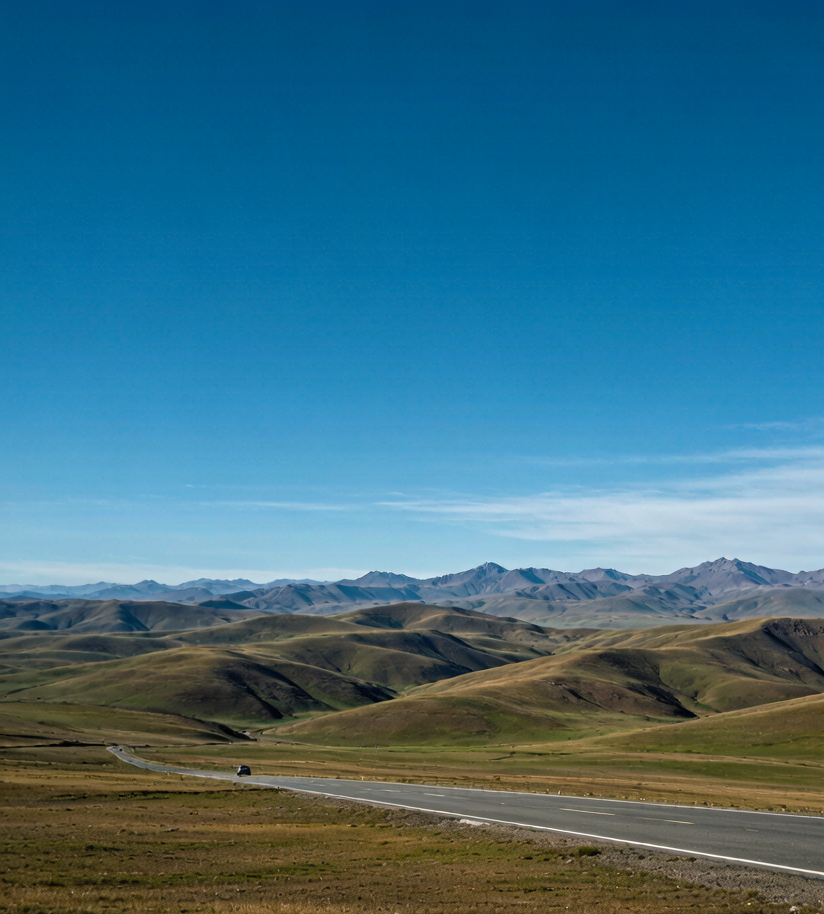
The appeal is the gradient of scenery. You leave Xining in green highland valley country and climb onto the roof of the Qinghai plateau, where the sky gets enormous and the traffic thins. Then you descend, almost reluctantly, into the drier world that announces Xinjiang long before the sign does. I treated the first day as acclimatisation rather than mileage, because the altitude on the Qinghai side is real and the body notices.
Distance is the thing to respect. This is not a hop; it is a multi-day commitment, and I planned it the way I plan any long Xinjiang leg, with towns as anchors rather than fixed daily quotas. The self-drive licensing and route notes I wrote for Xinjiang proper apply just as hard on the approach, because you are still driving a long way between services.
Timing decided everything. I crossed in late spring, when the plateau snow had mostly gone but the summer crowds had not arrived. That is the window I keep recommending in my season-by-season guide, because a closed pass in early spring or a frozen plateau road can rewrite a plan overnight. Weather, not willpower, sets the schedule out here.
Checkpoints are part of the rhythm. The further west you go, the more the police checkpoints become a normal punctuation mark on the day, and the Qinghai-to-Xinjiang corridor is no exception. I kept documents handy and temper even, and the waits were never the ordeal the rumours suggest.
Fuel and food follow the towns, so I learned to top up both whenever I could, not when I needed to. The plateau has long empty stretches where the next hot meal is further than it looks, and the habit of eating at every opportunity carried straight into the Silk Road mindset I describe in retracing the caravan routes.
If I did it again I would build in an extra rest day on the Qinghai side and one more on the Xinjiang side, because the drive is deceptively tiring. But the payoff is real: you arrive in Xinjiang having already travelled through it, rather than being dropped into it. That slow arrival is its own kind of preparation, and I would not trade it.
The gear that earned its place on this crossing was humble: a real paper map as backup, because signal fades on the plateau; extra water; and a warmer layer than the calendar suggests. The descent into Xinjiang is a long, happy exhale, and I remember the first Xinjiang mile marker feeling like arrival. If you pair this route with the Gansu gateway on a separate trip, you will have entered the region from both flanks, and each makes the other make sense.
One more thing: tell someone your plan. The plateau is empty enough that a breakdown unattended is a real scenario, and a checked-in itinerary is the cheapest insurance there is.
The checkpoints, honestly
They are short, they are not hostile, and the whole process for a foreign plate takes longer than for a local one because the officer has to make an entry. Keep passport and car documents in the glovebox rather than the boot so you are not unpacking in front of a queue. Nobody has ever been rude to me at one of these. Write down the address of tonight’s accommodation, because that is the question they ask. You will stop at checkpoints. They are tedious rather than dangerous, and the driver’s document pack is the only thing that makes them quick. Where most people get the logistics wrong is covered in our [[renting-a-car-and-driving-in-xinjiang-licenses-costs-and-route-planning|Renting a Car and Driving in Xinjiang:…]].
What winter does to this road
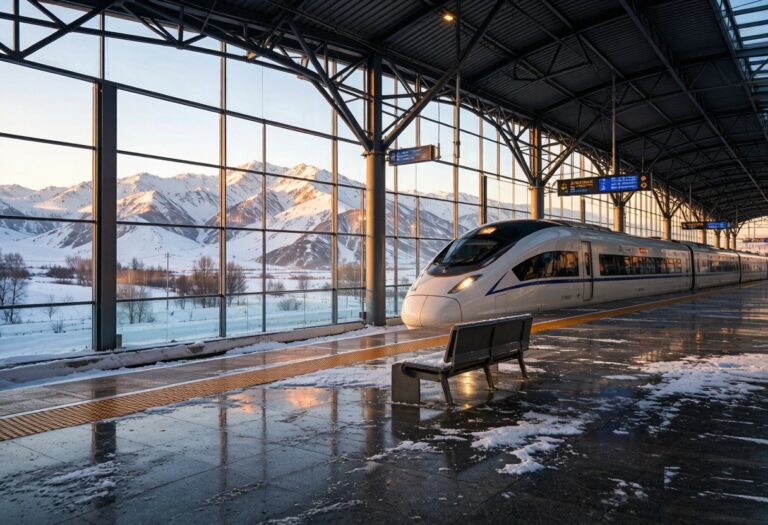
The problem is that a pass at this height can shut for a day with no warning and reopen at dawn, and nobody announces it until somebody radioes it in. Between November and March you are planning around a gate that moves. Drive it in summer and none of this matters. Snow chains help, warm layers in the cabin matter more, and a full tank matters more than both. The surface is fine. That stretch of the trip is described in our [[the-g219-in-xinjiang-driving-the-wild-southern-frontier-highway-from-yecheng|The G219 in Xinjiang: Driving the Wild…]] too.