Xinjiang Pickles & Sides: The Sour, the Pickled, and the Palate Reset
Xinjiang’s main dishes are rich — lamb fat, pilaf oil, grilled smoke. What keeps them from overwhelming is the supporting cast: a plate of raw onion, a clutch of pickled garlic, a sharp tomato-and-pepper salad. These sour, crunchy sides are the region’s palate reset, eaten between bites of the heavy stuff, and they’re as essential as the meat. This is the undersung half of the table.
Last updated: July 15, 2026 · Written by Karl Huang, a Xinjiang travel specialist who has spent time across the region. Practical details are cross-checked against official tourism, transport, and border-regulation sources.
The sides are simple and constant.
Pickled Garlic and Onion
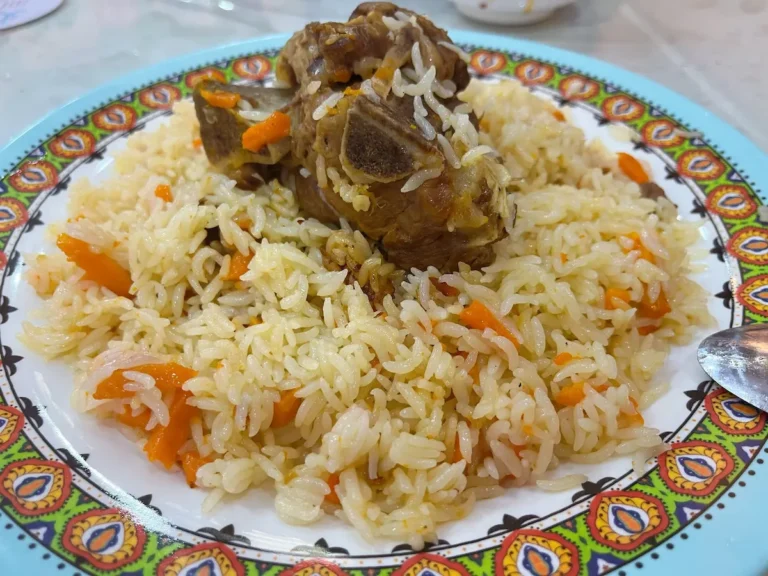
Pickled garlic (醋蒜) shows up at every noodle and polo meal — a clove between bites cuts the richness and aids digestion (locals swear by it). Raw onion, sliced, is the default accompaniment to kebabs and polo; the bite balances the fat. Don’t skip them as garnish — they’re functional, the region’s built-in acid.
Cold Salads
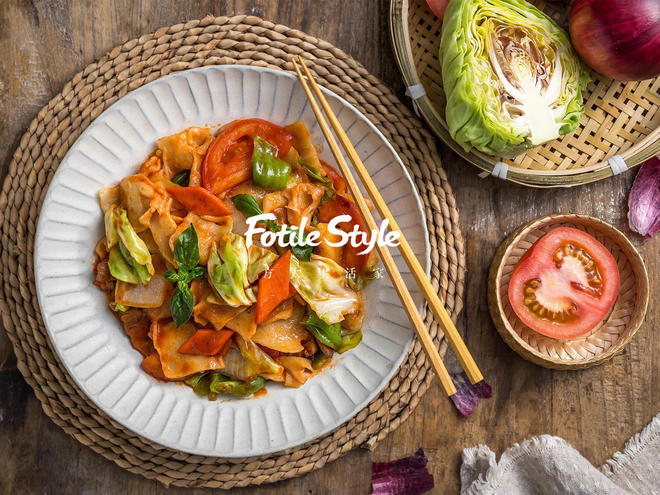
Uyghur cold dishes — tomato and pepper, cucumber with garlic, or a vinegar-dressed cabbage — are the vegetable relief on a meat board. They’re sharp, a little oily, and exactly what a plate of skewers needs. At a restaurant, order one alongside the meat; at a market, the pickle stall is where locals refill. The contrast (hot charcoal, cold sour) is the whole point of the meal structure.

Yogurt and the Reset
Plain tart yogurt, with a spoon of sugar, is the dessert-reset after a rich meal — cooling, light, and a foil to the lamb. It’s the region’s healthiest habit and the perfect close. Together, the pickles, the raw alliums, and the yogurt are why Xinjiang can eat this richly and still feel balanced — the sides do the work the main dishes won’t.
How to Use Them
Order a cold salad and a side of pickled garlic with every heavy meal. Eat the onion with the skewer, not aside. Finish with yogurt. It’s not fussy etiquette — it’s how the food is designed to be eaten, and doing it makes the lamb go down easier and the trip lighter. The sides are small, free-ish, and the secret to not overloading on the stars of the show.
The Built-In Acid
Pickled garlic (醋蒜) shows up at every noodle and polo meal, and a clove between bites cuts the richness and aids digestion – locals swear by it. Raw sliced onion is the default partner to kebabs and polo; the bite balances the fat. Don’t treat them as garnish; they’re functional, the region’s built-in acid that keeps a meat board from overwhelming.
Timing your visit to {P}
The second I gave it a morning and a late-afternoon return and saw two completely different places, because the light moved across the surface and the crowds thinned to nothing. Most first-timers plan two hours and then get stranded. The gates open early and the last entry tends to stop a couple of hours before closing, so the promise of coming back for sunset is not always possible. My own rule now: if I have to choose between this and an extra evening in Xinjiang, I keep the evening. Budget the full morning.
That covers the walk in, the slow look at the main feature, the side trails almost nobody does, and getting back to the car before the light goes flat. Ninety minutes is enough to tick the box. Half a day is enough to understand it. A full day is what you want when the point of coming was Xinjiang Pickles Sides The itself rather than a stop on the way. The first time I rushed it and spent the whole visit looking up at the same rock from one spot.
What the ticket and the extras actually add up to
On your own the same afternoon comes out at maybe half again as much. Two of us covered the whole thing for well under what a single hotel night in Xinjiang costs, but only because we shared the car and shared the entry between us. Prices at the gate are reasonable by European standards, which is exactly why they are easy to underestimate. The admission is cheap, the internal transport is what adds up, and a family of four in one car turns a small ticket into a real line in the budget.
Ask once at the ticket office what the full circuit costs before you commit. Staff there are used to it, and the answer takes ten seconds. The headline entrance ticket is only the first line. On top of it comes a shuttle or sightseeing bus inside the site, and if you want a far viewpoint rather than the main one that is another leg.
Parking, a printed map, and a guide are the other three places the number moves.
Cold Salads and Yogurt
Uyghur cold dishes – tomato and pepper, cucumber with garlic, or a vinegar-dressed cabbage – are the vegetable relief on a heavy plate. They’re sharp, a little oily, and exactly what a pile of skewers needs. Plain tart yogurt with a spoon of sugar is the dessert-reset after a rich meal: cooling, light, and a foil to the lamb. Together, the pickles, the raw alliums and the yogurt are why Xinjiang can eat this richly and still feel balanced.
How to Eat the Sides
Order a cold salad and a side of pickled garlic with every heavy meal. Eat the onion with the skewer, not off to the side. Finish with yogurt. It isn’t fussy etiquette – it’s how the food is designed to be eaten, and doing it makes the lamb go down easier. The sides are small, nearly free, and the secret to not overloading on the stars of the show; the same logic runs through polo and naan meals alike.