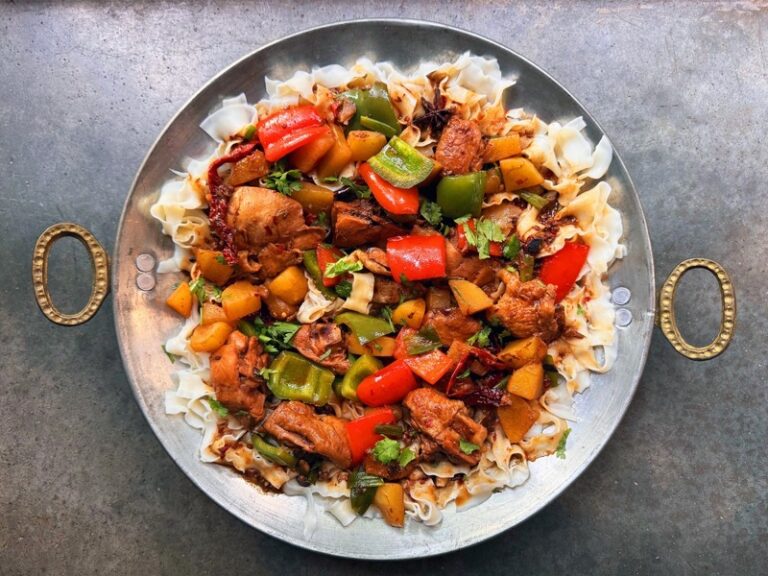
Polo (Pilaf Rice): How to Order and Eat It Like a Local
If there is one dish that defines Xinjiang‘s culinary identity, it is Polo (手抓饭, shǒu zhua fàn). This fragrant pilaf — a harmonious mixture of rice, lamb, carrots, onions, and fragrant spices — is eaten across the region every single day, from humble home kitchens to lavish wedding banquets.
Last updated: July 15, 2026 · Written by Karl Huang, a Xinjiang travel specialist who has spent time across the region. Practical details are cross-checked against official tourism, transport, and border-regulation sources.
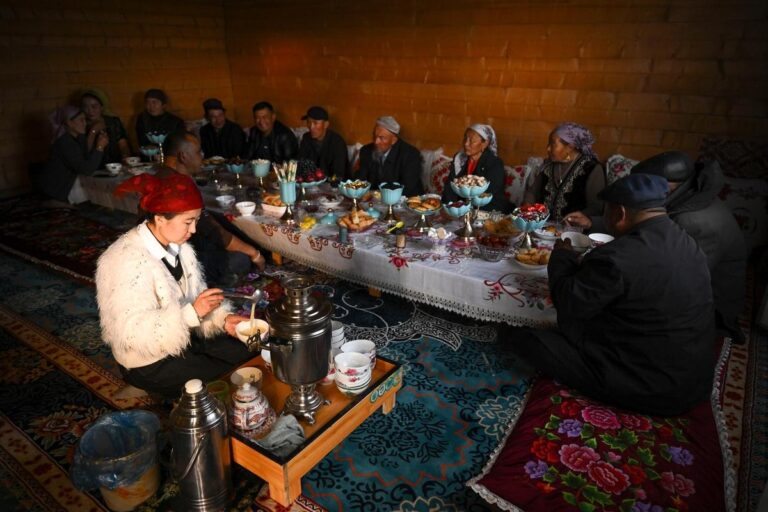
Polo is not just food. It is a cultural institution. In Uyghur culture, it is the first dish served to guests as a sign of respect. At weddings, it is cooked in massive cauldrons that can feed hundreds. And for travelers, it is often the most accessible and satisfying introduction to Xinjiang‘s Central Asian food heritage.
What Is Polo?
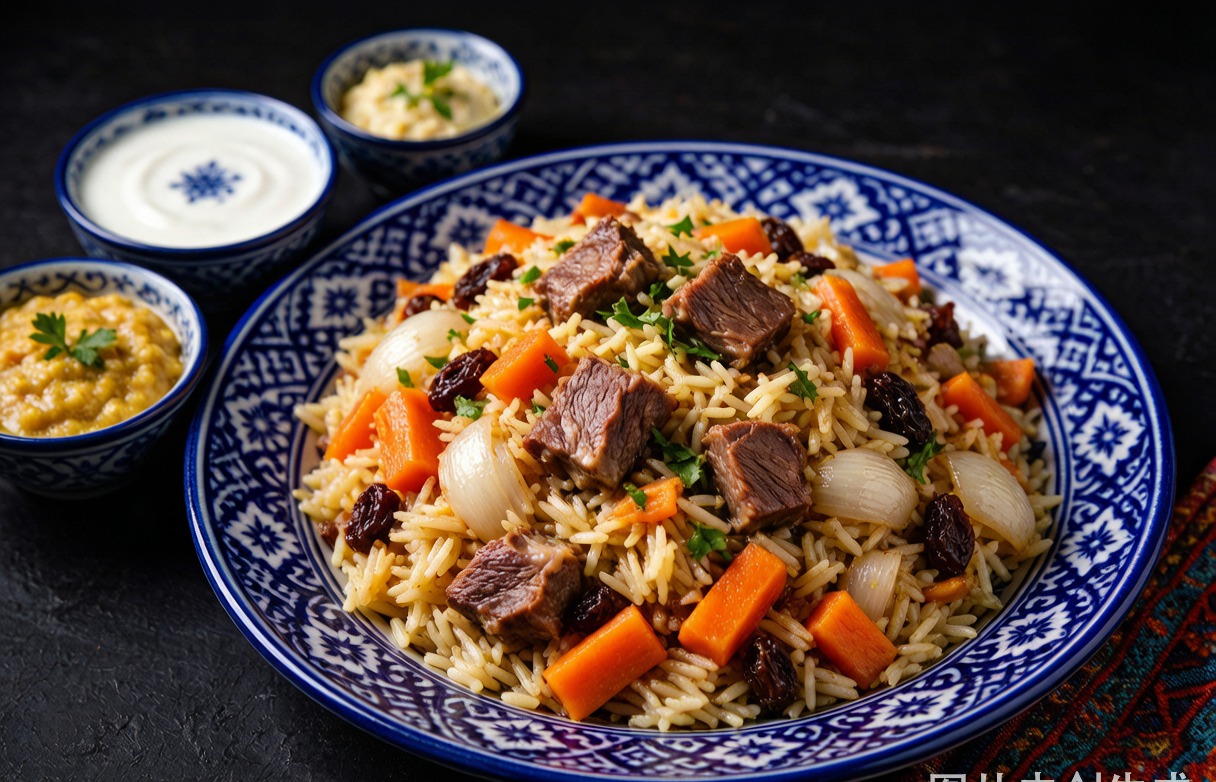
Polo (手抓饭) is Xinjiang’s version of pilaf — a rice dish cooked in seasoned broth with meat and vegetables. The name “Polo” comes from the Uyghur word for the dish, while “手抓饭” (literally “hand-grab rice”) refers to the traditional way of eating it: with your right hand, no utensils.
The basic ingredients are:
- Rice: Long-grain rice, usually Xinjiang-produced
- Lamb: Cubed lamb shoulder or rib meat
- Carrots: Cut into strips, providing sweetness
- Onions: Providing aromatic base
- Oil: Usually lamb fat or vegetable oil
- Spices: Salt, sometimes cumin, dried fruit (raisins, apricots)
How Polo Is Made
The traditional preparation of Polo is a two-step process:
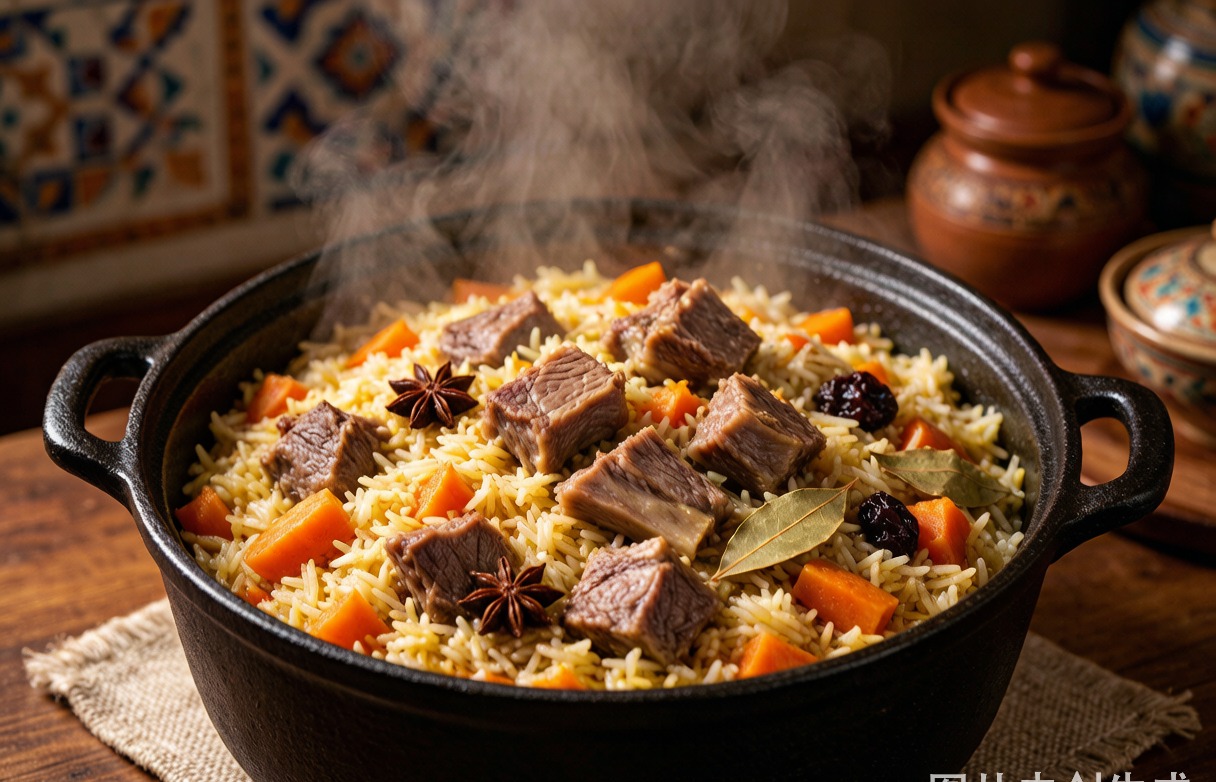
- Frying the meat and vegetables (炒): Lamb cubes are fried in oil until browned. Then onions and carrots are added and fried until softened.
- Steaming the rice (蒸): Rice is added to the pot, along with water or broth. The pot is covered tightly, and the rice steams until tender and has absorbed all the flavors.
The result is a dish where every grain of rice is separate, fluffy, and infused with the flavor of lamb and carrots.
Regional Variations
While the basic Polo recipe is consistent across Xinjiang, there are regional variations:
- Uyghur Polo: The most common version, with lamb, carrots, onions, and sometimes raisins or apricot pieces.
- Kashgar Polo: Often includes chickpeas and more dried fruit.
- Hami Polo: Known for using local Hami melon (yes, melon in rice!) for sweetness.
- Vegetarian Polo: Made without meat, using more vegetables and sometimes nuts.
Where to Find the Best Polo in Xinjiang
Polo is available everywhere in Xinjiang, but some places are legendary:
- Erdaoqiao (二道桥) in Urumqi: The Uyghur district with countless small restaurants serving excellent Polo.
- Kashgar Old City: Many family-run restaurants serve Polo made with recipes passed down generations.
- Yarkand (莎车): Known for its unique style of Polo with more dried fruit.
How to Eat Polo (The Proper Way)
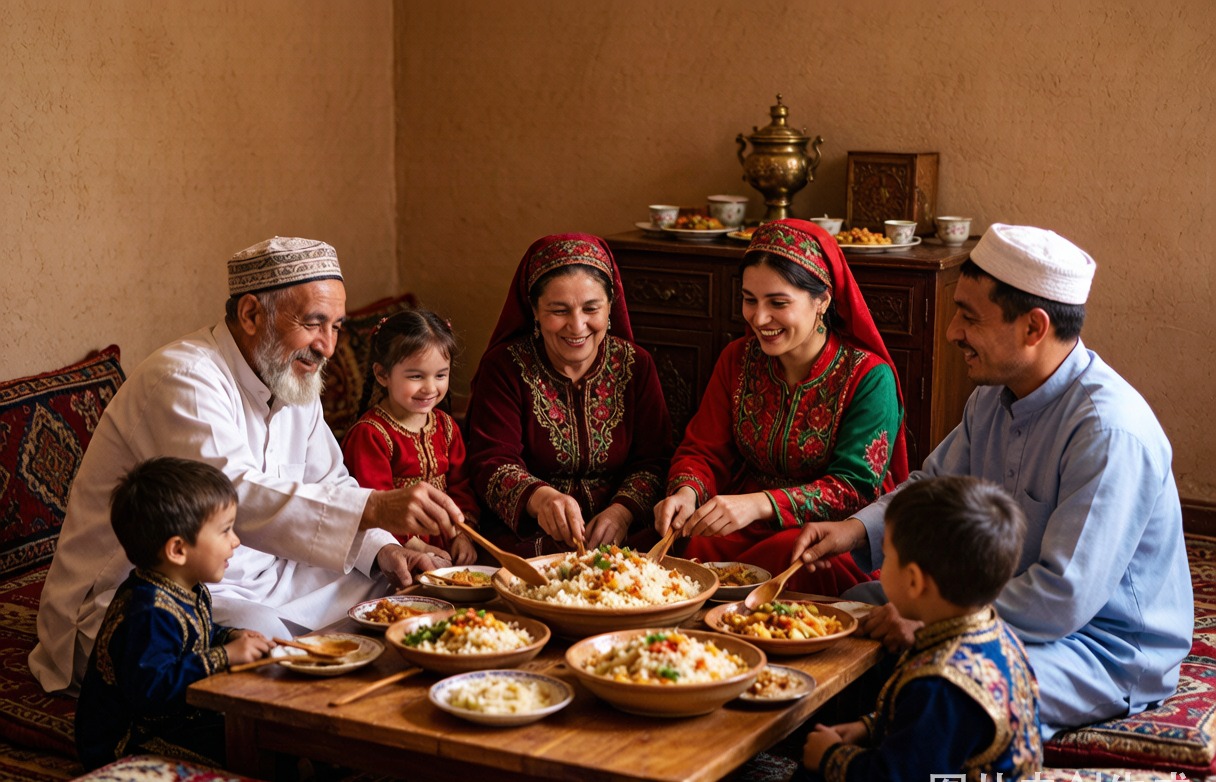
Traditionally, Polo is eaten with your right hand. You roll the rice into a small ball, then pop it into your mouth. However, most restaurants today provide spoons for travelers who are not comfortable eating with their hands.
Etiquette tip: If eating with hands, always use your right hand only. The left hand is considered unclean in Uyghur culture.
Nutritional Value
Polo is a complete meal in one dish: carbohydrates (rice), protein (lamb), and vegetables (carrots, onions). It is energy-dense and perfect for Xinjiang’s cold winters and active outdoor lifestyle.
A typical serving contains:
- Calories: 500-700 per serving
- Protein: 20-30g (from lamb)
- Carbohydrates: 70-90g (from rice)
- Fat: 15-25g (from lamb and cooking oil)
What is worth carrying home
Polo is more than just a dish in Xinjiang — it is a symbol of hospitality, community, and cultural identity. Whether you are a first-time visitor or a seasoned traveler, sitting down to a plate of hot, fragrant Polo is an essential Xinjiang experience.
Pro tip: Ask for “Polo with quyu” (with yogurt) in Kashgar — the combination of hot rice and cool yogurt is a local favorite!
Is Xinjiang safe to visit?
Yes, Xinjiang is considered very safe for tourists with strong security presence throughout the region.
Do I need a visa?
Foreigners need a valid Chinese visa. No separate Xinjiang permit needed for most tourist areas.
What currency should I bring?
Chinese Yuan (RMB). Credit cards accepted in hotels; carry cash for markets and rural areas.
Can I find English-speaking guides?
Available in major tourist areas through hotels or travel agencies. Book in advance for best results.