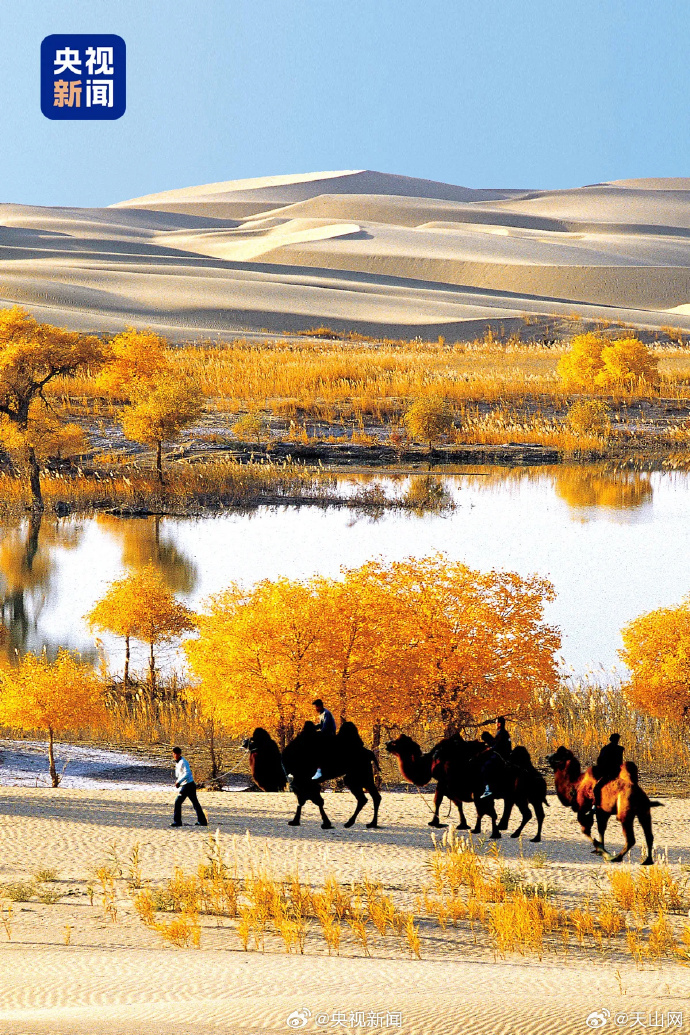
Khotan (Hetian): The Jade City and Oasis of the Southern Silk Road
The Jade Reality
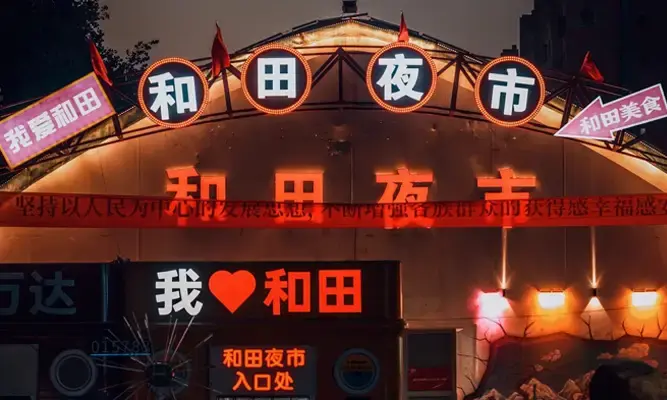
Khotan’s rivers still yield nephrite jade, and the city’s jade market is the largest in the region. But most ‘jade’ on sale is treated, imported, or fake; the truly fine stones are sold privately at real prices. Visit the market for the spectacle and buy a small piece as a souvenir, but don’t expect a treasure for pocket change. The serious jade is elsewhere — and the riverbed ‘mining’ you may see is mostly tourism now.
Silk and Carpet
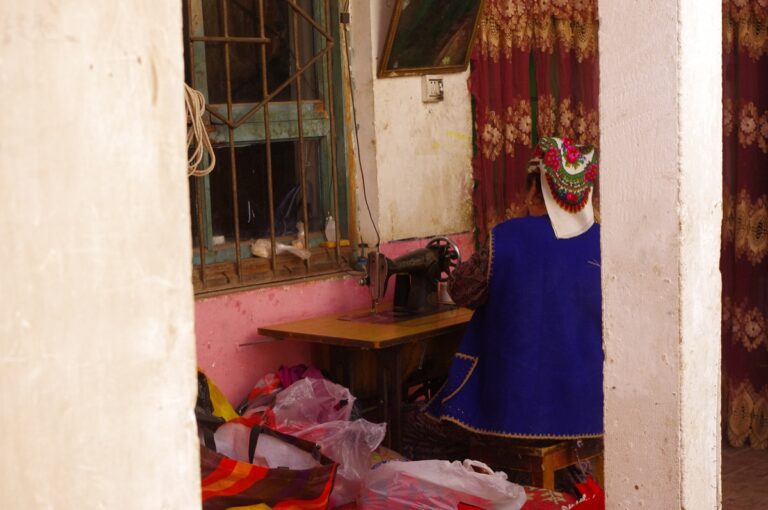
Khotan silk (Atlas tie-dye) and wool carpets are the real crafts — buy from a workshop or co-op where you see the work. The Atlas silk, with its indigo-and-red patterns, is uniquely Uyghur; a length makes a meaningful souvenir. Carpet cooperatives show the knotting; prices reflect density and wool quality. These are the buys worth the baggage weight.
The City and the Loop
Khotan itself is a working oasis — bazaars, mosques, and the hot Tarim-edge life. Pair it with Yarkand and Kashgar as a southern triangle, or as the eastern anchor of a Hotan–Kashgar drive. Summer is ferociously hot (40°C+); spring and autumn are kind. As always in the south, carry your passport — checkpoints are routine near the border.
Why Go
Khotan is less polished than Kashgar and that’s the draw. It’s the south at its most traditional — the jade myth, the silk looms, the carpet knots, and a Uyghur street life that hasn’t been staged for cameras. Add it to a southern loop and you get the Silk Road as it still lives, not as it’s remembered. Just buy the craft, not the stone.
What a local driver would refuse to do
What they will happily do is leave at five in the morning to catch the light, and that is the version worth asking for. What they will refuse is a night drive over the high sections in winter, and they are right. A driver who knows this road gives you the honest distance. My host in Xinjiang said the pass was two hours, meaning two hours driving without the stops, and that is the number to plan around, not the one the map shows. For the part people underestimate, see our [[turpan-xinjiangs-hottest-city-ancient-oasis-and-silk-road-crossroads|Turpan: Xinjiang’s Hottest City, Ancient…]].
Fuel, and the gaps where there is nothing
The bad news is the distance between them through the middle sections, enough that a full tank is arithmetic rather than paranoia. Every town on this route has a station and every station takes cards, which is the good news. Fill before you leave anything with a city name on the map, even if the next is only ninety minutes out. I have been on a road in this region where the next fuel was two hours back, the reason being a closure, and the only thing that got me moving was a trucker with a spare can. Where most people get the logistics wrong is covered in our [[aksu-xinjiang-a-travelers-guide-to-the-southern-silk-roads-oasis-gateway|Aksu, Xinjiang: A Traveler’s Guide to the…]].
The checkpoints, honestly
You will stop at checkpoints. They are short, they are not hostile, and the whole process for a foreign plate takes longer than for a local one because the officer has to make an entry. Keep passport and car documents in the glovebox rather than the boot so you are not unpacking in front of a queue. Write down the address of tonight’s accommodation, because that is the question they ask. Nobody has ever been rude to me at one of these. They are tedious rather than dangerous, and the driver’s document pack is the only thing that makes them quick. For the part people underestimate, see our [[turpan-xinjiangs-hottest-city-ancient-oasis-and-silk-road-crossroads|Turpan: Xinjiang’s Hottest City, Ancient…]].
Where to sleep on the road and where to park
In Xinjiang the hotels cluster along the through road and the value one is usually the second block back, five minutes from the misnamed central place and half the price. Ask for a room away from the yard, since the yard is where the trucks sleep. The county town on this route is where to overnight, not the scenic stop, because the scenic stops have no quiet parking and no kitchen open after eight. Where most people get the logistics wrong is covered in our [[aksu-xinjiang-a-travelers-guide-to-the-southern-silk-roads-oasis-gateway|Aksu, Xinjiang: A Traveler’s Guide to the…]].
Silk, Carpet and the Real Crafts
Khotan silk (Atlas tie-dye) and wool carpets are the genuine buys. Buy from a workshop or co-op where you can see the work – the Atlas silk with its indigo-and-red patterns is uniquely Uyghur, and a length makes a meaningful souvenir. Carpet cooperatives show the knotting, and prices reflect density and wool quality. These are the purchases worth the baggage weight, unlike the ‘ancient’ trinkets.
The City and the Southern Loop
Khotan itself is a working oasis – bazaars, mosques, and hot Tarim-edge life, where the region’s Xinjiang fruits like Hami melon also make easy edible gifts. Pair it with Yarkand and Kashgar Old City as a southern triangle, or as the eastern anchor of a Hotan-Kashgar drive. Summer is ferociously hot (40°C+); spring and autumn are kind. As always in the south, carry your passport – checkpoints are routine near the border.