Xinjiang Peaches: The Flat, Honey-Sweet Stone Fruit of the Northern Orchards
The first time I bit into a Xinjiang peach I thought it had been soaked in syrup. It had not. I was standing in a roadside orchard outside Shihezi in late July, and the farmer had just twisted the fruit off the branch and handed it over warm from the sun. The juice ran down my forearm. It was the flat, squat “pantao” type — barely wider than a fist, with a crease down the middle like a flattened sphere — and the sweetness was the kind you get only when fruit ripens slowly under 15 hours of desert light. Xinjiang grows some of the best stone fruit in China along its northern rim, and the peach (Prunus persica) is the quiet star that most visitors never plan around. This guide covers why they taste the way they do, the main varieties, the short season, how locals eat them, and where to buy fruit you will actually remember.
Why Xinjiang Peaches Taste Different
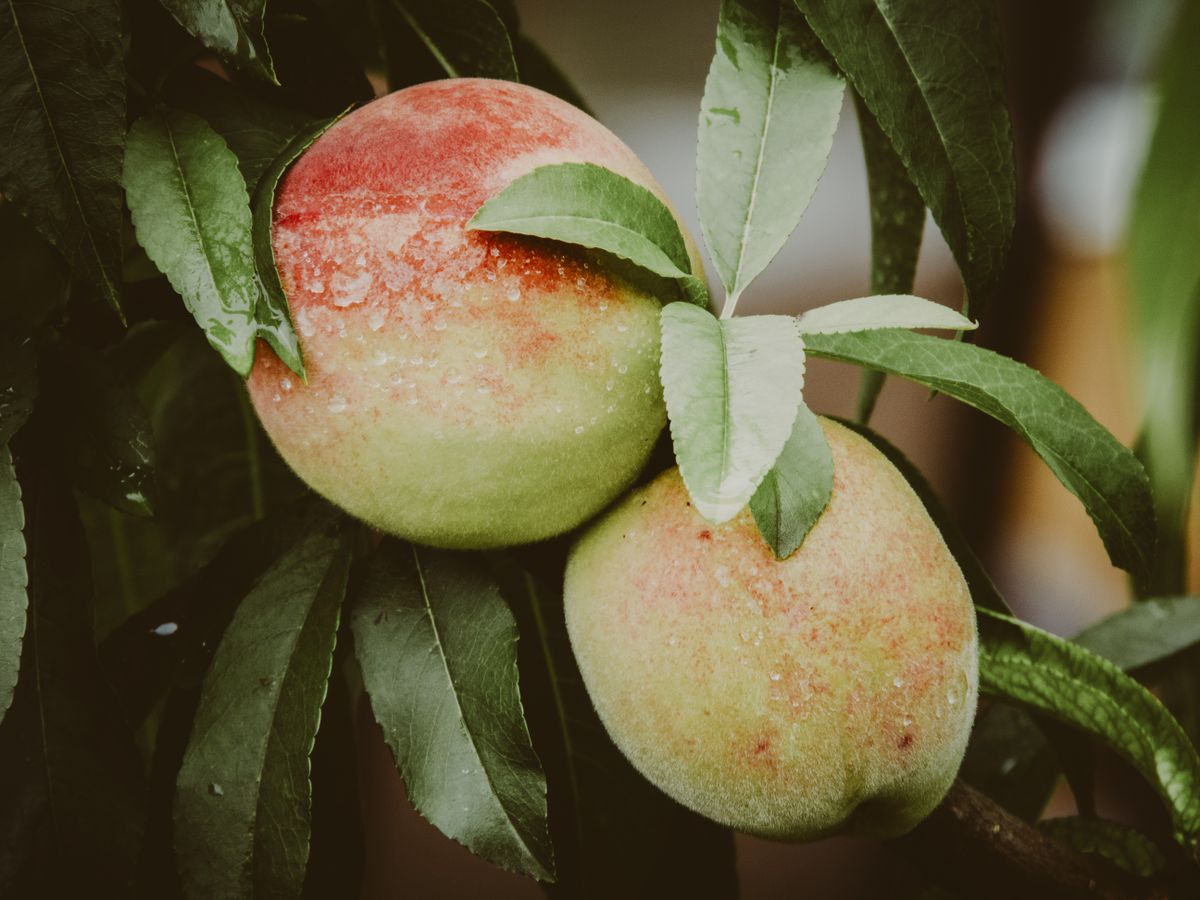
The northern band of Xinjiang — the cities of Shihezi, Changji, and the orchards around Urumqi and the Ili valley — sits at the edge of a continental climate with brutal temperature swings: warm days and cool nights through the growing season. That swing is exactly what builds sugar in stone fruit. The trees get enough water from melted snow and irrigation to swell the fruit, but the cool nights keep the acids and aromatics from burning off, so the peach arrives both huge and balanced. The soil is sandy and well drained, which stone fruit loves, and the low humidity means fewer fungal problems and less need for spraying than in wetter peach regions.
The Flat Pantao of Shihezi
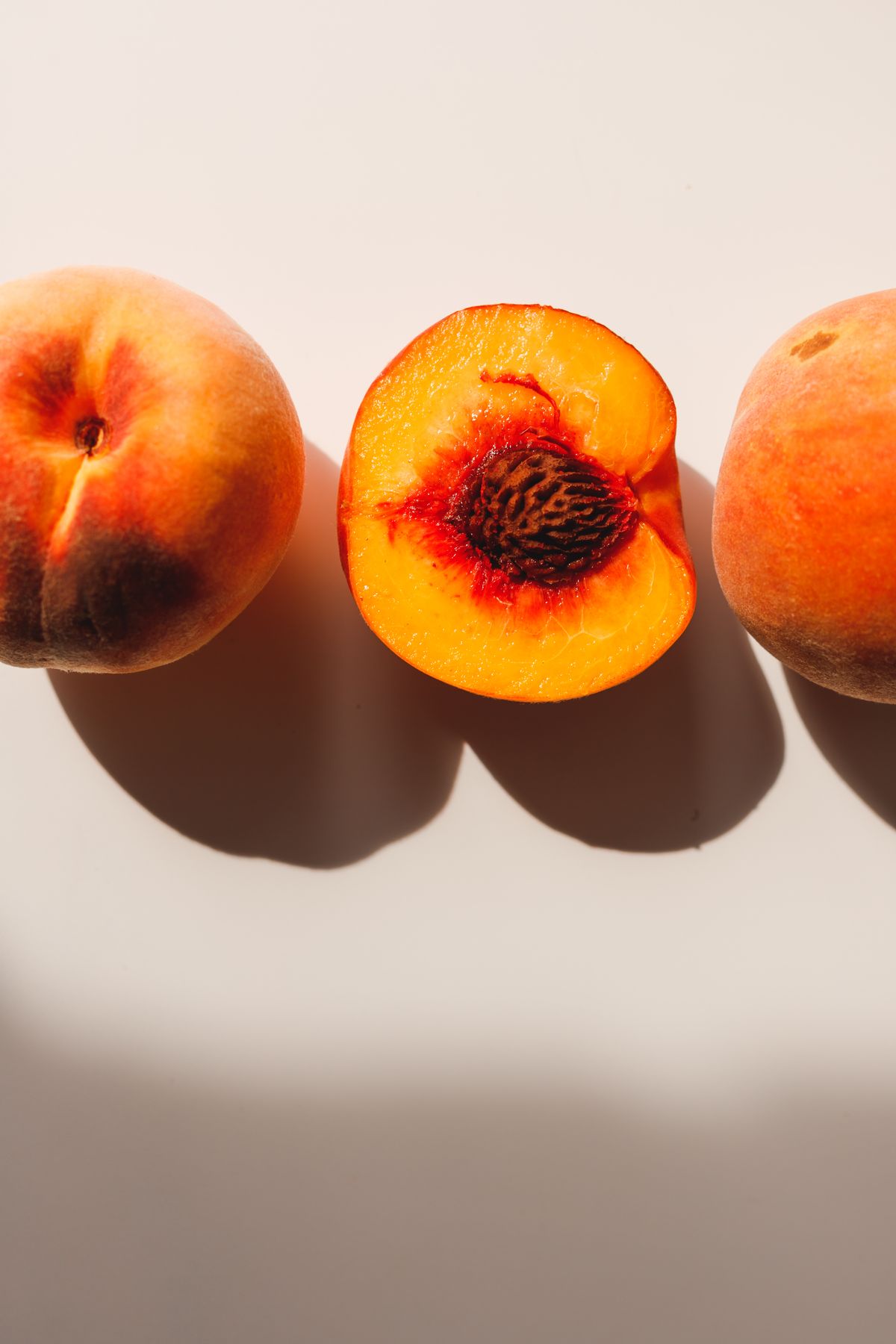
The pantao (盘桃, “plate peach”) is the variety most people picture when they rave about Xinjiang peaches. It is flattened rather than round, with a deep central crease, and the flesh is so soft and perfumed that it is almost a different species from the crunchy imported peaches in a Northern Hemisphere supermarket. Shihezi and the surrounding reclamation farms (the bingtuan settlements) have made the flat pantao their signature crop, and in peak season the fruit is stacked in shallow crates at every roadside stall from here to Urumqi.
Climate and Sugar
People ask me whether the sweetness is a trick of variety or of place. It is both, but place does most of the work. A peach that ripens in 35°C days and 12°C nights accumulates sugar without losing aroma, and the long daylight of Xinjiang’s summer — among the longest in the country — drives photosynthesis hard. The result is fruit with a sugar content that routinely tests several points above peaches grown in humid eastern China.
Xinjiang Peach Varieties
| Variety | Shape | Flesh | Best use |
|---|---|---|---|
| Pantao (flat peach) | Flattened, creased | Soft, melting, intensely perfumed | Eating fresh, over yogurt |
| Honey / nectarine-type | Round, smooth-skinned | Firm, sweet, low fuzz | Fresh eating, packing for travel |
| White-flesh peach | Round | Delicate, lower acid | Eating fresh, desserts |
| Yellow-flesh peach | Round | Robust, aromatic | Jam, baking, drying |
When Peaches Are in Season
Fresh Xinjiang peaches are a summer crop and the window is short. The earliest fruit appears in July, the pantao peaks in late July and August, and by early September the best of it is gone. If peaches are your goal, plan a July or August visit to the northern cities. Miss the window and you will find only the dried or canned product, which is pleasant but not the revelation the fresh fruit is.
Regional Season Table
| Area | Peak | Notes |
|---|---|---|
| Shihezi / Changji | Late Jul – Aug | Flat pantao heartland; roadside orchards |
| Urumqi outskirts | Jul – early Sep | Easy to reach; higher prices near city |
| Ili valley | Aug – Sep | Slightly later; pairs with apricot season |
| Turpan | Jun – Jul | Earliest; smaller but very sweet |

How Locals Eat Them
In Xinjiang the peach is mostly eaten as it comes — washed, room temperature, dripping. But there are a few local habits worth copying. A peeled, sliced peach over thick yogurt with a drizzle of honey is a common summer breakfast in Urumqi homes. The yellow-flesh type gets cooked down into a loose jam or baked into pastries. And the over-ripe fruit that will not travel is pressed or simply eaten by the orchard family rather than sold.
Fresh
Eat fresh peaches the day you buy them. They bruise and soften fast in Xinjiang’s summer heat, so do not bag them under other fruit in a hot car. A peach at room temperature tastes dramatically better than a cold one from a fridge, because the chill dulls the aroma.
In Dishes
Yellow peaches show up in savory cooking too: a braised chicken with peaches is a home-style dish in some northern households, where the fruit’s sweetness cuts the richness of the meat. It sounds odd until you taste it, and then it reads as the same logic as duck with orange or pork with apricot.
Where to Buy the Best
The best peaches are bought where they are grown, not in a supermarket. Drive the G30 corridor through Shihezi and Changji in August and you will pass orchard gates with crates out front; stop at one and you will pay a fraction of city prices for fruit picked that morning. Urban bazaars — the Xinjiang fruits roundup of the region’s produce is a good primer — and the fruit stalls of any northern city are the next best thing. For context on how peaches fit the broader Xinjiang cuisine guide, the regional food guide maps the whole sweet-crop picture.
Choosing at the Stall
- Smell the stem end — a real peach smells like a peach; a flavorless one smells like nothing.
- Press gently near the stem; it should give slightly when ripe but not feel mushy.
- Avoid fruit with green shoulders on a yellow type — it was picked too early and will not ripen sweet.
- Buy from a crate the seller is willing to open, not pre-bagged mystery fruit.

Storing and Carrying Peaches Home
Fresh peaches will not survive a long trip, so eat those on the spot. If you want to bring the experience home, buy the dried or canned yellow-peach product, which Xinjiang also produces in quantity and which travels for months. Vacuum-sealed dried peach slices are the practical souvenir; fresh fruit is the in-the-moment pleasure. Keep any fresh peaches you do carry in a single layer, never stacked, and eat them within two days.
Frequently Asked Questions
Are Xinjiang peaches the same as peaches elsewhere?
They are the same species but a very different eating experience. The flat pantao in particular is softer, more perfumed, and noticeably sweeter than the firm, shipped peaches most travelers know, because of Xinjiang’s climate and the fact that the fruit is tree-ripened and eaten locally rather than picked green for transport.
When is peach season in Xinjiang?
Fresh peaches run from roughly June in Turpan through September in the Ili valley, with the flat pantao peaking in late July and August around Shihezi and Changji. August is the sweet spot if you want the widest choice.
How much do they cost?
At the orchard gate, pantao runs about 4 to 10 yuan per kilogram in a good year; city bazaar prices are higher, and supermarkets higher still for pre-packed fruit. The price swings with the harvest, so a bumper year is noticeably cheaper.
Can I bring fresh peaches home?
Fresh peaches are fragile and many countries restrict fresh fruit, so they are a bad souvenir. Buy dried or canned yellow-peach products instead — they keep for months and clear customs far more easily in sealed commercial packaging.
What is a pantao?
Pantao is the flat, creased “plate peach” that Xinjiang is famous for. It is squat rather than round, with melting soft flesh and an intense perfume, and it is the variety most travelers remember long after they leave.
Are they healthy?
Yes. Peaches are low in calories, a decent source of vitamin C and fiber, and the fresh fruit has no added sugar. Like any fruit they are a treat rather than a free food because of the natural sugar, but a fresh Xinjiang peach is about as wholesome a snack as the region offers.