Xinjiang Yogurt and Cultured Drinks: From Street-Cart Süzmä to Kurdish-Style Ayran
On a 39°C afternoon in Turpan a street vendor handed me a bowl of süzmä — thick strained yogurt with a sprinkle of brown sugar and a handful of raisins — and it reset my entire understanding of “yogurt.” This is not the sweet cup from a supermarket chiller. Xinjiang’s cultured drinks are tart, dense, sometimes salty, and deeply tied to the pastoral Silk Road. If you only drink Xinjiang milk tea, you are missing half the dairy story. Here is the field guide to what is in the bowl and how to order it.
The Family of Xinjiang Cultured Drinks
The region’s dairy tradition comes from Turkic and Mongol herders, so most drinks are fermented sheep, cow or horse milk, often lightly salted. The three you will actually meet are süzmä (strained yogurt), ayran (salt-yogurt drink) and kymyz (fermented mare’s milk, seasonal). Each plays a different role: süzmä is a snack, ayran is a cooler, kymyz is a summer tonic. The through-line is fermentation — every pastoral group here learned to keep milk edible through heat and distance, and the result is a dairy culture older than any restaurant on the route.
What to Try, and What It Costs
| Drink | Type / taste | Typical price (yuan) | Where to find it |
|---|---|---|---|
| Süzmä (strained yogurt) | Thick, tangy, eaten with a spoon; add sugar/raisins | 5–12 | Street carts, chaykhana, bazaars |
| Ayran | Salty yogurt drink, lightly fizzy, savory | 4–8 | South Xinjiang, kebab stalls, bakeries |
| Kymyz | Fermented mare’s milk, sour-fizz, mild alcohol | 10–25 | Spring–summer, Kazakh yurts, Ili |
| Plain yogurt (qatiq) | Loose, tart, poured over fruit or honey | 4–10 | Everywhere; markets in the morning |
| Yogurt soda mix | Street fad: yogurt + soda, sweet | 6–10 | Ürümqi summer stalls only |
How to Order Without the Sugar Shock
Default süzmä comes unsweetened; the sugar and raisins are a topping you ask for (“shikär bilen”). If you want it plain and tart, say “tuzsuz” (without sugar). Ayran is salty by nature — do not expect a lassi. Kymyz is an acquired taste: low alcohol, sour, and a little goes a long way on a first try. Point at the bowl size (small/large) and hold up fingers for the count; the vendors speak the order language fluently even if you don’t.
Regional Notes
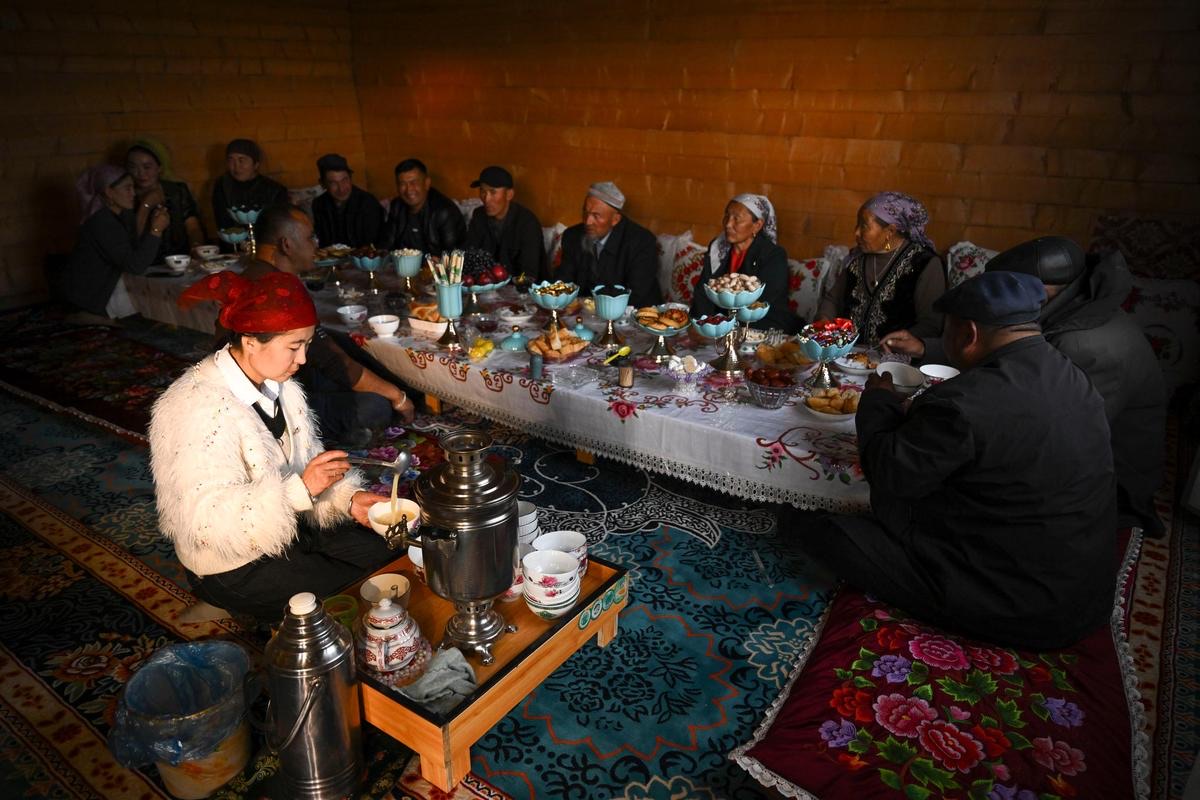
In the Ili Valley and Kazakh north, kymyz and rich süzmä dominate in summer — yurt stays often include a bowl with honeycomb. In Kashgar and the south, ayran pairs with lamb skewers and is the default cooler at kebab rows. Ürümqi blends everything, including the newer yogurt-soda mixes that trend on short video apps in July. The Ürümqi food map is the easy place to sample several in one morning walk. In Turpan, the same süzmä shows up chilled in the shade of a grape trellis, which is the single best way to beat the noon heat.
Food-Safety and the Sugar Question
Buy from busy carts with a fast turnover and a cold box — the dairy here is real and unpasteurized in many stalls, so freshness matters. If your stomach is cautious, start with the poured qatiq from a reputable shop. And repeat after me: the authentic versions are not sweet. The sugar is a tourist accommodation; the tart, salty originals are the point.
Pairing Cultured Drinks with Xinjiang Food
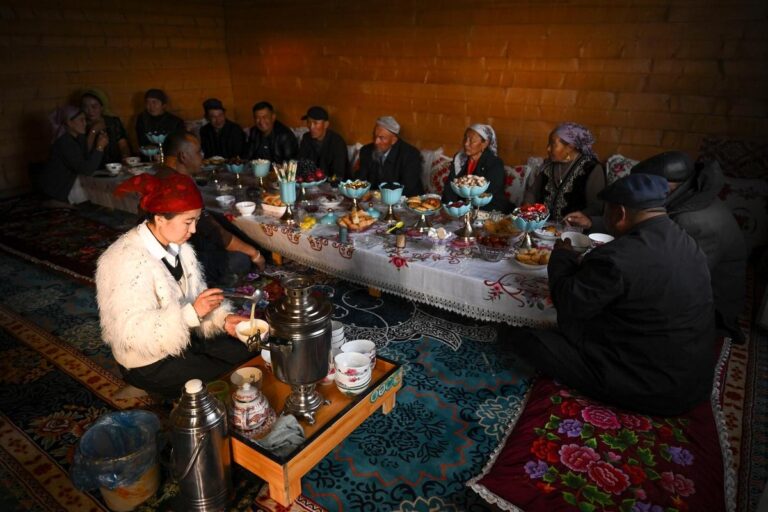
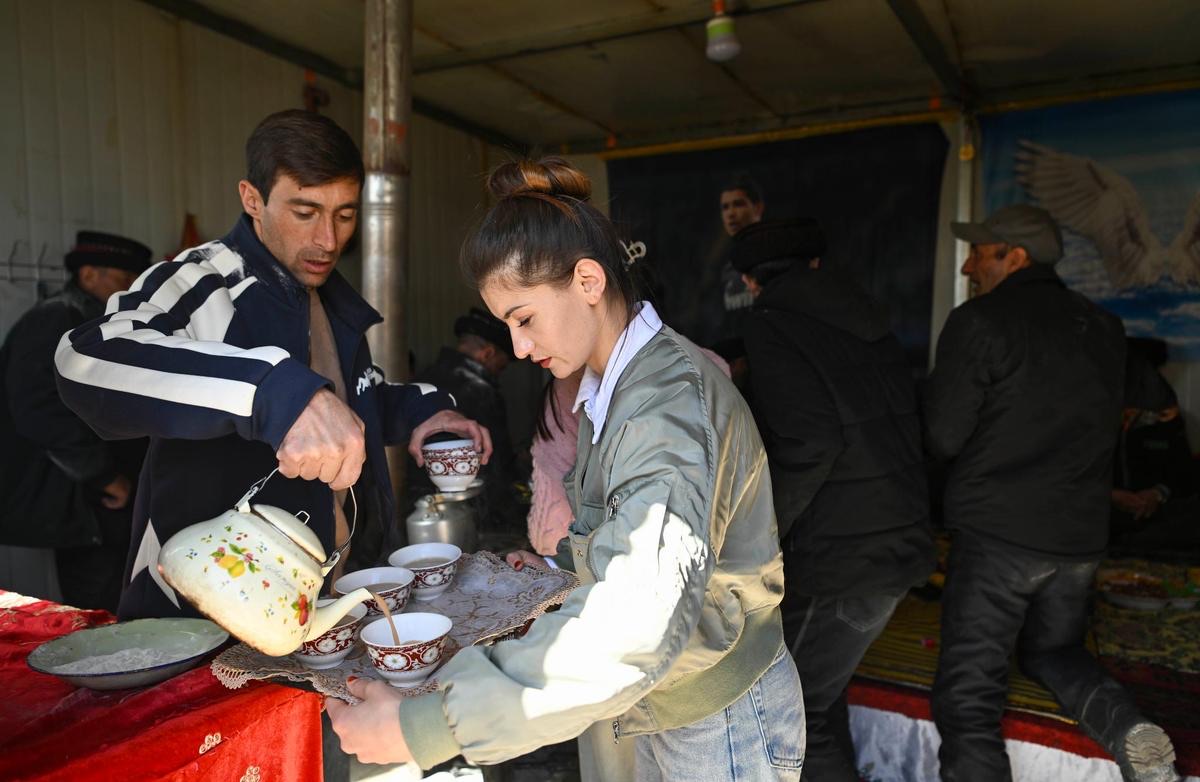
The drinks are not standalone snacks — they are built to sit next to the region’s heavy, grilled Xinjiang food. Ayran is the classic foil to kawap (lamb skewers): the salt and fizz cut the fat better than any soft drink. Süzmä with honey and walnuts is the breakfast partner to nan and tea. Kymyz, sipped slowly at a yurt, is the pastoral digestif after a plate of polo. When in doubt, order the drink the person at the next table has next to their meat — that pairing has been tuned for centuries.

A Traveler’s Süzmä Recipe to Remember
You cannot easily make kymyz at home, but süzmä translates anywhere: warm whole milk, stir in a spoon of plain live yogurt as a starter, keep it at room temperature (25–30°C) for 8–12 hours until it sets, then hang it in a cheesecloth for 3–4 hours to drain the whey. What lands in the bowl is süzmä — thick enough to stand a spoon. The Xinjiang version is often sheep or buffalo milk, which is richer; cow’s milk gets you 90% of the way. Add raisins and a dab of honey only after, so you taste the tart base first.
Where to Find the Best Bowl in Each City
The drink is everywhere, but the best versions are local. In Ürümqi, the morning stalls along the bazaar ring and the basement food halls of the big malls pour qatiq you can dress yourself with honey and nuts. In Kashgar, the Old City chaykhana near the Id Kah Mosque serve ayran in handleless bowls and will top up your süzmä if you ask. In Yining, the Ili Valley yurt camps outside town are the only reliable kymyz source in season, and the herders will show you the proper two-handed toast. In Turpan, look for the grape-trellis courtyards where süzmä comes chilled and the raisins are the host’s own. The pattern is simple: follow the locals, not the neon signs, and the bowl gets better at every stop.
Reading a Street Cart Before You Buy
Three tells separate a great cart from a risky one. First, turnover — a full bucket that refills every hour beats a lonely tub that has sat since dawn. Second, temperature — it should come from a cold box, not sit in the sun. Third, the regulars: if a vendor has a queue of locals at 8 a.m., the dairy is fresh by definition. Skip any cart where the yogurt has separated into a watery puddle or smells yeasty-sour rather than clean-tart, and never buy from a stall where flies settle on the surface — the heat turns a small risk into a real one faster than you think.
Frequently Asked Questions
Is Xinjiang yogurt safe for visitors?
From high-turnover vendors, yes — locals eat it daily. If you have a delicate stomach, choose busy city shops over remote single-carts, and avoid kymyz on day one. Unpasteurized dairy is richer than you are used to; a small first bowl is wise.
What does ayran taste like if I expect lassi?
Different. Lassi is sweet or fruity; ayran is salted, savory and lightly effervescent — closer to a salty buttermilk. Think of it as a recovery drink after lamb skewers, not a dessert. Ask for it unsweetened and you get the real thing.
Can I get kymyz off-season?
Barely. Kymyz is a late-spring-to-summer drink tied to mare foaling; outside May–August it is rare even in Ili. If you visit in autumn, lean on süzmä and qatiq instead — they are year-round.
Is there a vegan or lactose-free version?
No traditional version — these are all animal milk. The closest lactose-light option is the salted brick tea (qara chay) drunk plain, which appears in every teahouse. Plan around it if dairy is off the table.
Why is the yogurt so thick compared with home?
Süzmä is strained for hours to remove whey, so it eats like soft cheese. That density is the style, not a thickener — and it is why a small bowl fills you. Order the small size first; the large is a meal.
Should I refrigerate it or drink it warm?
Street süzmä is usually served cool from a cold box, which is how most travelers prefer it in summer. The herder version in a yurt can be at ambient temperature and tastes milder. Both are fine; the only wrong move is leaving it in the sun — buy it last on a market walk and eat it in the shade.