Xinjiang Manta (Mantı): The Steamed Dumplings of the Silk Road
Why it is worth the detour
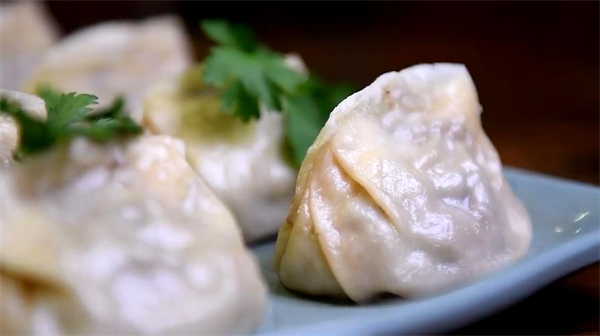
Xinjiang’s kitchens treat dough like a canvas, and manta are among the most comforting things painted on it. Known across the Turkic world as mantı, these steamed dumplings arrive at your table as plump, glossy parcels of lamb and onion, lifted from a pressurized steamer and dressed with garlic yogurt or a clear broth. In Urumqi, Kashgar, and the small oasis towns between them, manta are a lunchtime staple rather than a restaurant showpiece, which is exactly why they are worth seeking out.
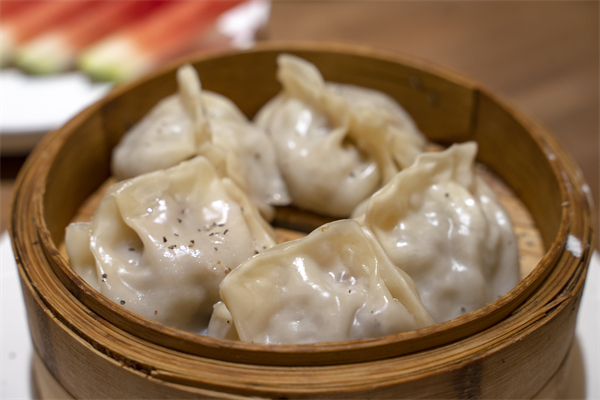
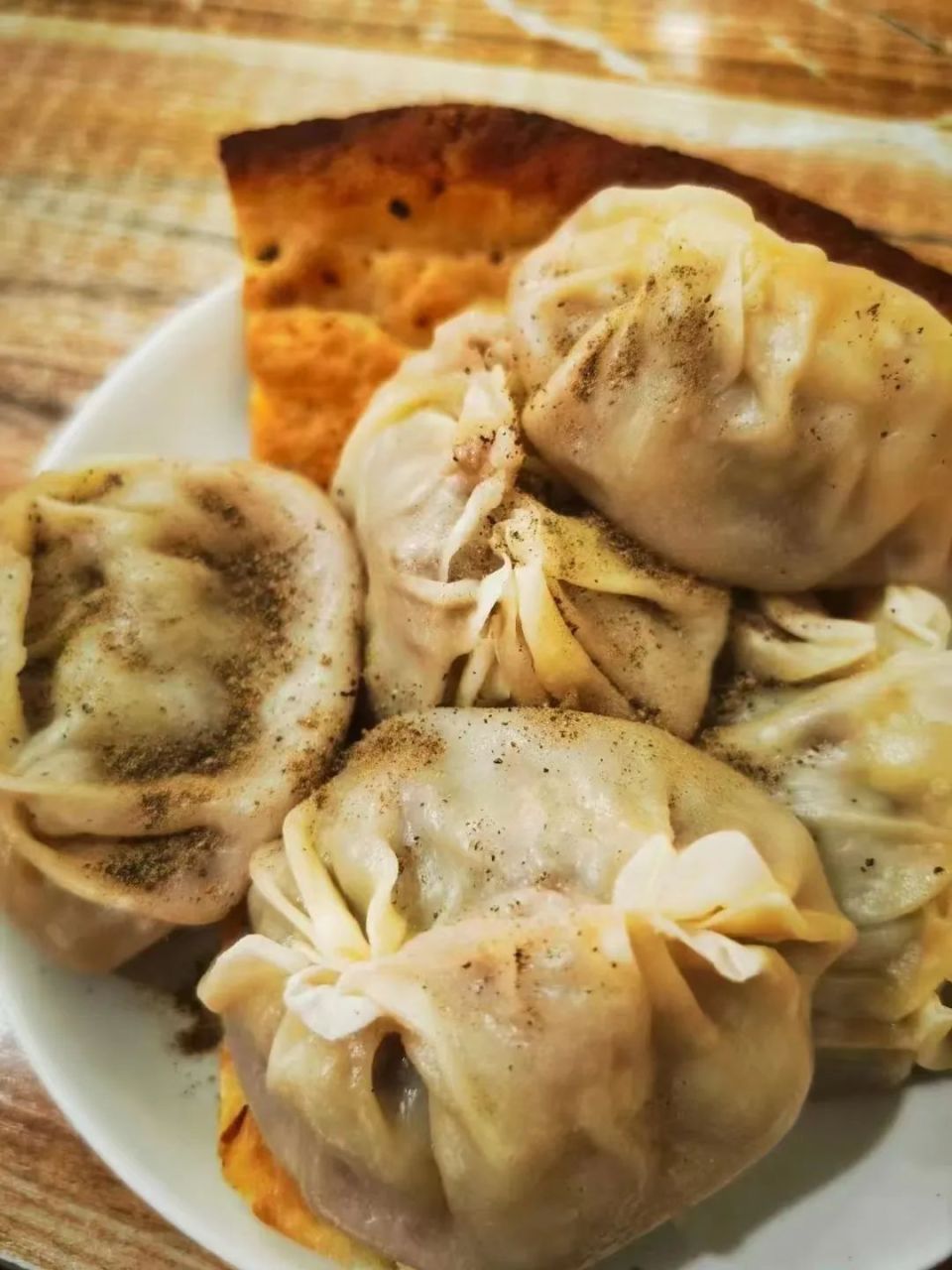
What sets Xinjiang manta apart from the boiled dumplings of northern China is the cooking method and the shape. They are steamed rather than boiled, larger than a typical jiaozi, and folded into a closed pouch that traps the meat’s juices. The result eats like a cross between a Central Asian manty and a soft, savory bun. If you already love samsa or pitimanta, manta are the gentler, soupier relative you did not know you were missing.
The name itself is a clue to the region’s deep connections. Manta, manty, mantu, manti — the word travels the whole Silk Road, from Xi’an’s neglected corners to Istanbul’s ferry docks. In Xinjiang the dish is squarely Uyghur, but you will hear Kazakh and Kyrgyz families claim their own versions too. That shared vocabulary is part of the pleasure: eating manta here links you to a culinary conversation that has run for a thousand years.
The dough tells its own story. Manta pastry is a plain mix of flour, water, and a little salt, kneaded until elastic and rested so it rolls paper-thin without tearing. A good cook can stretch a single sheet across a tray and cut it into a dozen perfect squares in under a minute, a skill that looks effortless only because it has been practiced since childhood. The thinness matters: it lets the steam cook the filling while the wrapper stays tender rather than doughy.
Where the turn-off is
The easiest place to find excellent manta is Urumqi, where almost every halal noodle house and neighborhood canteen lists them. Head to the streets around the International Grand Bazaar or the smaller markets of the Erdaoqiao district, where steamers run from late morning until they sell out. Look for the tall hissing columns of stacked metal trays rather than a written menu; the best spots barely advertise.
Kashgar’s Old Town is the second great hub. Tucked into the lanes near Id Kah Mosque you will find family kitchens that have steamed manta the same way for generations. In the south, Hotan and Yarkand offer their own versions, often slightly smaller and spiced with a little more black pepper. Getting to these spots is straightforward: Urumqi is the region’s rail and air gateway, while Kashgar is reachable by daily flights or a long but scenic rail line from the capital.
If you are already on a southern silk-road loop, treat manta as a dependable anchor between the long desert drives. Almost every mid-size town has at least one canteen with a steamer going at lunch, so you are never far from a hot plate. Ask at your hotel or a taxi driver for the nearest manta chi — the steamer house — and you will usually be pointed to a humble storefront within a few blocks.
Season by season
Manta are eaten year-round, but they taste best in the colder months from October to March, when a plate of hot steamed dumplings lands hardest after a day in the wind. Lamb in Xinjiang is at its sweetest in late autumn after the summer pastures have fattened the herds, so the fillings are richest then. Spring and summer still deliver good manta, especially in air-conditioned city canteens, but the dish is fundamentally a cold-weather comfort.
If your trip overlaps with a local festival such as Eid or a family wedding, ask around for home-cooked manta rather than the café version. Festival tables often feature oversized manta stuffed with pumpkin or a richer lamb-onion mix that you will rarely see on a daily menu. Timing a visit to a holiday makes the dumpling a doorway into private kitchens that are otherwise closed to strangers.
Weekday lunches are the sweet spot even outside festival season. The steamers come up fresh around noon and the first trays are the plumpest; by late afternoon the selection thins and the cooks start cleaning down. Arriving before one o’clock gives you the widest choice of fillings and the shortest wait, and it leaves the rest of the day free for sightseeing once you have eaten your fill.
The places worth your time
Watching manta being made is half the fun. In a typical kitchen the cook rolls a sheet of dough thin, cuts it into squares, drops a spoonful of seasoned lamb and onion into the center, and folds the corners up into a sealed bundle. The parcels are arranged on perforated trays and stacked into a multi-layer steamer, sometimes a tall metal column that sounds like a small engine once the pressure builds.
When you order, decide how you want them dressed. The most common style pairs manta with a bowl of cold garlic yogurt or a spoon of chili oil, while some houses serve them drowned in a light lamb broth. Try both on your first visit: the broth version is soul-warming, the yogurt version bright and tangy. Portions are usually sold by the steamer tray or by weight, so a single order easily feeds one hungry traveler or two light eaters.
Do not rush the eating. Manta are best approached with your hands, pinched at the top where the dough is thickest, then dipped in the yogurt or broth. The filling should be loose and slightly soupy, never packed tight like a wonton. If yours arrive dry, ask for extra broth on the side — a good kitchen will always have a pot simmering for exactly this purpose.
Once you have tried the standard lamb version, start experimenting. Pumpkin manta are a revelation in autumn, sweet and silky against the neutral dough, while a beef-and-onion filling shows how the same technique travels across communities. Some southern kitchens tuck in a single chickpea or a scrap of tail fat for richness. Treating each order as a small tasting flight turns a cheap lunch into a proper education in the region’s dough craft.
Ways to keep it simple
Manta are halal, so they are safe for Muslim travelers and anyone avoiding pork. The filling is almost always lamb, though pumpkin and beef versions appear in some southern kitchens. Tell the cook if you want extra chili oil or no garlic yogurt, and do not be shy about asking for a second small bowl of broth to pour over the dumplings. A few words of Uyghur — sizge rahmet, thank you — go a long way.
Prices are modest, typically a few dozen yuan for a full tray, making manta one of the best value meals in the region. They sell out fast at popular spots, so aim for an early lunch around noon. If the steamer looks empty, ask when the next batch comes up rather than assuming they are closed; a fresh tray is usually only twenty minutes away and worth the wait.
Carry small bills and coins, because the humble manta houses often prefer cash and may not have change for a large note. If you are traveling with children or a cautious eater, ask for a plain pumpkin or beef manta as a gentle introduction before the stronger lamb. And if the chili oil on the counter looks homemade and fiery, start with a dab rather than a pour — Xinjiang heat builds quietly and then arrives all at once.
What is within reach
In Urumqi, pair your manta run with a visit to the Xinjiang Regional Museum, where the famous Tarim mummies hint at the deep Central Asian roots of this kind of food. In Kashgar, the Old Town alleys and the Id Kah Mosque are a short walk from the best manta kitchens, and the Sunday Bazaar makes an easy half-day afterward. Hotan’s jade market and Yarkand’s neglected but beautiful old town are natural companions to a southern manta crawl.
If you are driving the southern loop, treat manta as a reliable fuel stop between the long desert stretches. A tray in a dusty Hotan side street, eaten standing at a counter with truck drivers and schoolchildren, is as authentic an Xinjiang meal as you will find anywhere on the tourist trail. Build your day around it rather than fitting it in.
For a neat cultural loop, follow the manta trail with a stop at a neighborhood bakery to see the tandoor that produces the region’s naan and samsa. The same wheat that becomes manta also becomes those baked staples, so seeing the whole grain economy in one morning — steamer, oven, and market — gives you a complete picture of why Xinjiang treats dough as its central craft.
The durable bits
Manta may not appear on the postcards, but they are one of the truest introductions to Xinjiang’s Central Asian soul. Cheap, filling, and deeply tied to the region’s shared Turkic heritage, they reward the traveler who steps off the famous barbecue trail and into a steam-filled neighborhood canteen. Order a tray, add chili oil, and you are eating exactly what Silk Road travelers have eaten for centuries.
Next time you plan a Xinjiang itinerary, leave a blank lunch slot in whatever city you land in and go looking for the hiss of a steamer. The manta you find there will probably be the meal you remember longest, precisely because it was never meant for visitors in the first place.
And if you fall for them, as most travelers eventually do, you will start measuring each new city by the quality of its steamer house. That is a fine way to travel — hungry, curious, and always ten minutes from the next plate of dumplings that taste like the whole road behind you.