Uyghur Dining Etiquette in Xinjiang: Halal Customs, Tea Rituals & Table Manners Every Traveler Should Know
The first time I sat down to a proper Uyghur meal in a courtyard home in Kashgar, I made three mistakes before the bread even hit the table. I reached for a piece of naan with my left hand, set my tea cup down upside down, and tried to pay the moment I finished eating. My host laughed, corrected me gently, and the evening turned into one of the warmest memories of my years traveling Xinjiang. Dining here is never just about food. It is a ritual of respect, hospitality, and shared time that goes back two thousand years along the Silk Road.
Why Dining Etiquette Matters in Xinjiang
Xinjiang is home to Uyghur, Kazakh, Kyrgyz, Hui, and Tajik communities, each with its own customs, but they share a common thread: meals are how trust is built. A family that feeds you considers you a guest, not a customer. Understanding the basics does not just prevent awkward moments. It opens doors to invitations you would never get as a passing tourist.
Most local restaurants and home kitchens in the region follow halal (清真, qingzhen) practice. That single fact shapes almost every dining rule you will encounter, from how meat is slaughtered to which hand you use to eat.
Halal Rules You Need to Respect
Halal in Xinjiang means more than “no pork.” It is a complete set of preparation standards. Here is what travelers should keep in mind:
| Rule | What it means for you | Common mistake |
|---|---|---|
| No pork or alcohol in the kitchen | Do not bring pork products or beer into a halal restaurant or home | Assuming “halal” only means meat is blessed |
| Separate utensils | Knives, cutting boards, and pots are kept strictly for halal meat | Handing over a non-halal snack to share |
| Hand-slaughtered meat | Sheep and cattle are prepared by a designated method | Asking if the lamb is “organic” instead of trusting the kitchen |
| Face direction when eating | Many families avoid placing food toward the toilet or shoe area | Setting your plate near the doorway |
If you are vegetarian, say so clearly and early. Many locals assume a guest eats meat, and a lamb skewer heading your way is a sign of honor, not pressure. Politely declining while praising the hospitality goes a long way.
The Tea Ritual: More Than a Drink
Tea is the heartbeat of every meal. In Uyghur and Kazakh homes, the host pours for you, never the other way around. A few rules will keep you comfortable:
How to receive and drink tea
Accept the cup with both hands or your right hand only. Take at least a sip even if you are not thirsty. When you have had enough, turn the cup upside down or rest it on the saucer. An upright empty cup is a silent request for more.
The salt and milk question
Xinjiang cuisine ranges from sweet brick tea to salty milk tea. Do not assume sweetness. If offered milk tea, drink it as served. Complimenting the host’s tea is one of the safest compliments you can give.
Hand-Washing and the Basin
Before and after a hands-on meal of pilaf, kebabs, or whole lamb, a server or family member will pour warm water over your hands into a basin. This is normal and expected. Hold your hands out, let the water run, and do not dry them on the tablecloth. A small towel or air-dry is fine.
Never refuse the basin. Skipping it reads as refusing the host’s care.
Table Manners: The Small Things That Count
Use your right hand
Across the region, the right hand is for eating, greeting, and giving. The left is reserved for personal hygiene. Tear bread, pick meat, and pass dishes with your right hand.
Bread is sacred
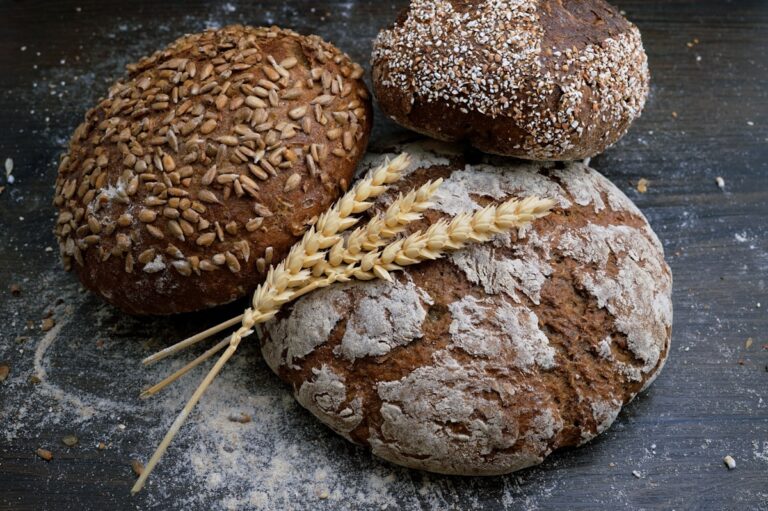
Naan and other flatbreads are never tossed on the floor, stepped over, or placed upside down. If you drop a piece, pick it up, brush it off, and either eat it or set it on a clean surface. This respect for bread is one of the oldest customs in Central Asia.
Wait for the elder
At a shared table, do not start eating until the oldest person or the host begins, or until they invite you with a phrase like “ocheng” (please eat). Patience at the start of a meal is a sign of good upbringing.
Sharing from the center
Dishes are placed in the middle and eaten communally. Take from the side nearest you. Do not flip pieces over to find the best cut. On a whole lamb presentation, the host will carve and offer you the prized parts, usually the cheek or tail fat. Accept graciously.

Paying the Bill Without Offense
Here is the hardest rule for Western travelers: in many local restaurants, especially smaller family spots, the host may refuse payment or insist on treating you. If you are a clear outsider and the bill is modest, paying quietly at the counter (not in front of the whole table) is the polite compromise. At a private home, do not pull out your wallet at all. A gift of fruit, tea, or sweets from a shop later is the appropriate thank-you.
The mistakes worth avoiding
The trap here: Rude to leave food on my plate
Leaving a little is historically a sign that you were fed enough, but today finishing your plate is also appreciated and reduces waste. The key is not to overload your bowl. Take moderate portions; you can always take more.
Where people slip: Photograph the food and the family
Photograph the dishes freely. For people, especially women and elders, ask first with a smile and a gesture. A thumbs-up after they nod is the universal yes.
The usual error: Say to thank the host
“Rahmet” (thank you in Uyghur) or the Mandarin “xièxie” both work. Pair it with a hand on your chest and a slight bow. That gesture lands harder than any phrase.
Easy to get this wrong: There taboo topics at the table
Keep conversation light. Food, travel, family, and music are safe. Avoid sensitive political subjects entirely. Meals are for connection, not debate.
The trap here: If i have a food allergy
State it clearly and simply before ordering. Nut, wheat, and dairy allergies are less commonly understood, so describe the reaction you want to avoid rather than relying on a single word. Carrying a translated note helps.
Where people slip: Tipping expected
No. Tipping is not a local custom and can confuse or embarrass. Exceptional service is better repaid with a return visit or a kind word to the owner.
Before you go
Uyghur dining etiquette is less about strict rules and more about showing up with patience and respect. Get the big things right, laugh at your small mistakes, and you will be fed far beyond the food on the table.